Category: Diet & Nutrition

  • The Truth About Seed Oils: Inflammation, Omega-6, and Your Health

    The Truth About Seed Oils: Inflammation, Omega-6, and Your Health

    Title: The Truth About Seed Oils: Inflammation, Omega-6, and Your Health

    You’ve probably seen the debate online: some people swear by seed oils, while others treat them like poison. But if you strip away the internet noise, what does the science actually say about the oils in your pantry?

    What Exactly Are Seed Oils?
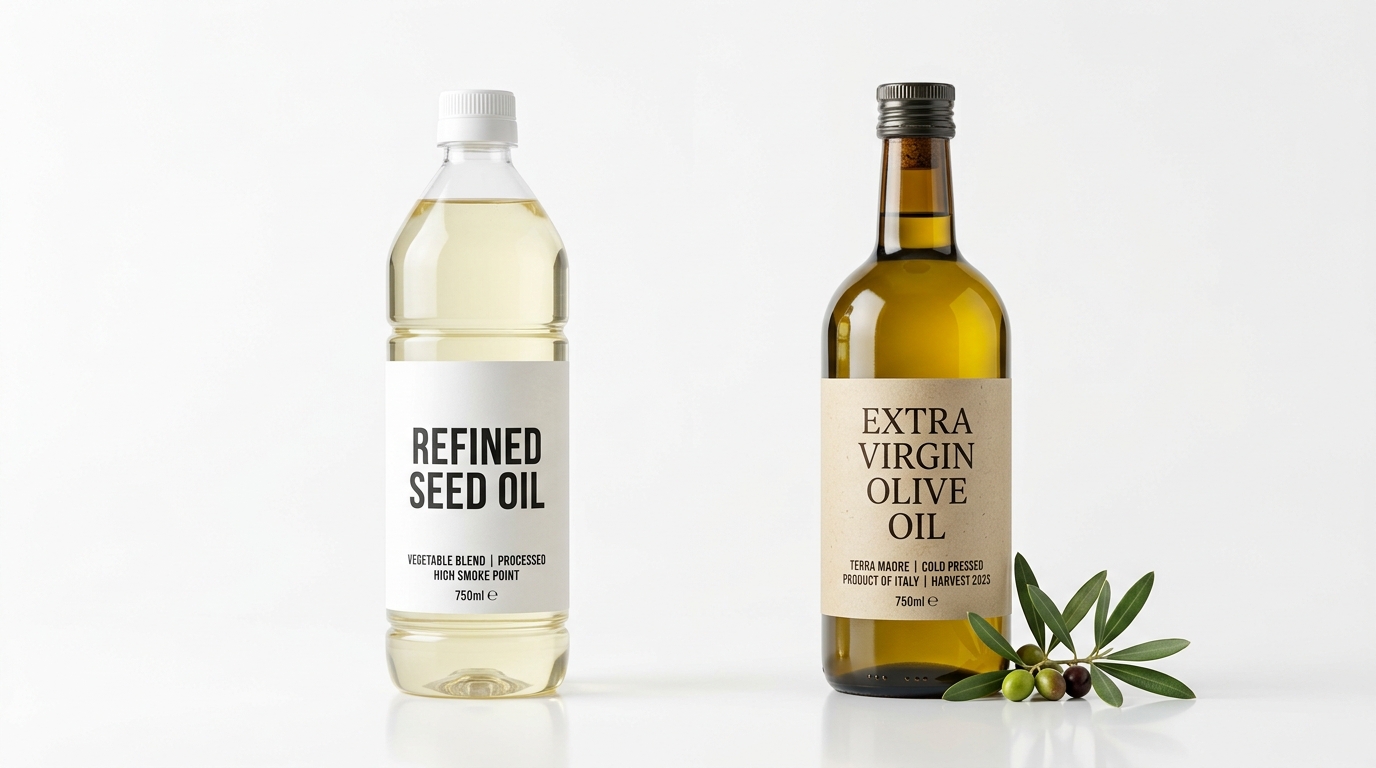
    Seed oils—like soybean, corn, sunflower, and canola oil—are refined vegetable oils. They are found in almost everything processed: from your favorite chips to the “healthy” salad dressing at the store.

    The core issue isn’t the oil itself, but the balance of fatty acids.

    The Omega-6 vs. Omega-3 Tug-of-War
    Our bodies need both Omega-6 and Omega-3 fatty acids. Omega-3s (found in fatty fish and walnuts) are generally anti-inflammatory. Omega-6s (found in seed oils) are essential too, but in excess, they can promote inflammation.

    The problem is our modern diet. We’ve shifted from a balanced ratio to one that is overwhelmingly skewed toward Omega-6. When your body is flooded with Omega-6 and lacks Omega-3, it can create a pro-inflammatory environment. This chronic, low-grade inflammation is linked to everything from joint pain to insulin resistance.

    The Processing Problem
    It’s not just the fatty acids; it’s how these oils are made. Seed oils are highly refined using high heat and chemical solvents like hexane. This process can cause the oils to oxidize.

    Oxidized oils contain free radicals, which can damage your cells and contribute to oxidative stress. When you cook with these oils at high temperatures, the problem only gets worse, as they break down further into harmful compounds.

    Simple Swaps for a Healthier Kitchen
    You don’t need to throw everything away overnight, but making a few swaps can significantly lower your inflammation levels:

    – For High Heat: Switch to Avocado Oil or Ghee. They have high smoke points and are much more stable.
    – For Cold Uses: Use Extra Virgin Olive Oil. It’s rich in monounsaturated fats and antioxidants.
    – For Flavor: Use Grass-fed Butter or Coconut Oil.

    The Bottom Line
    Seed oils aren’t “toxic” in the sense that one meal will ruin you, but consuming them in high amounts every day keeps your body in a state of inflammation. By shifting back to natural, stable fats, you give your body the tools it needs to heal and function properly.
  • Why White Bread Is a Weight Gain Trap: The Science of Insulin and Spikes

    Why White Bread Is a Weight Gain Trap: The Science of Insulin and Spikes

    Ever notice how a few slices of white toast leave you starving again by 10 AM? Or maybe you’ve dealt with stubborn belly fat that just won’t budge, even when you aren’t overeating. The problem usually isn’t the calories themselves—it’s how refined white bread messes with your hormones.

    The Problem with “Fast Carbs”
    To get why white bread is a trap, you have to look at the Glycemic Index (GI). White bread is made from refined flour, which means the bran and germ—the parts with all the fiber—are gone. You’re basically eating concentrated starch.

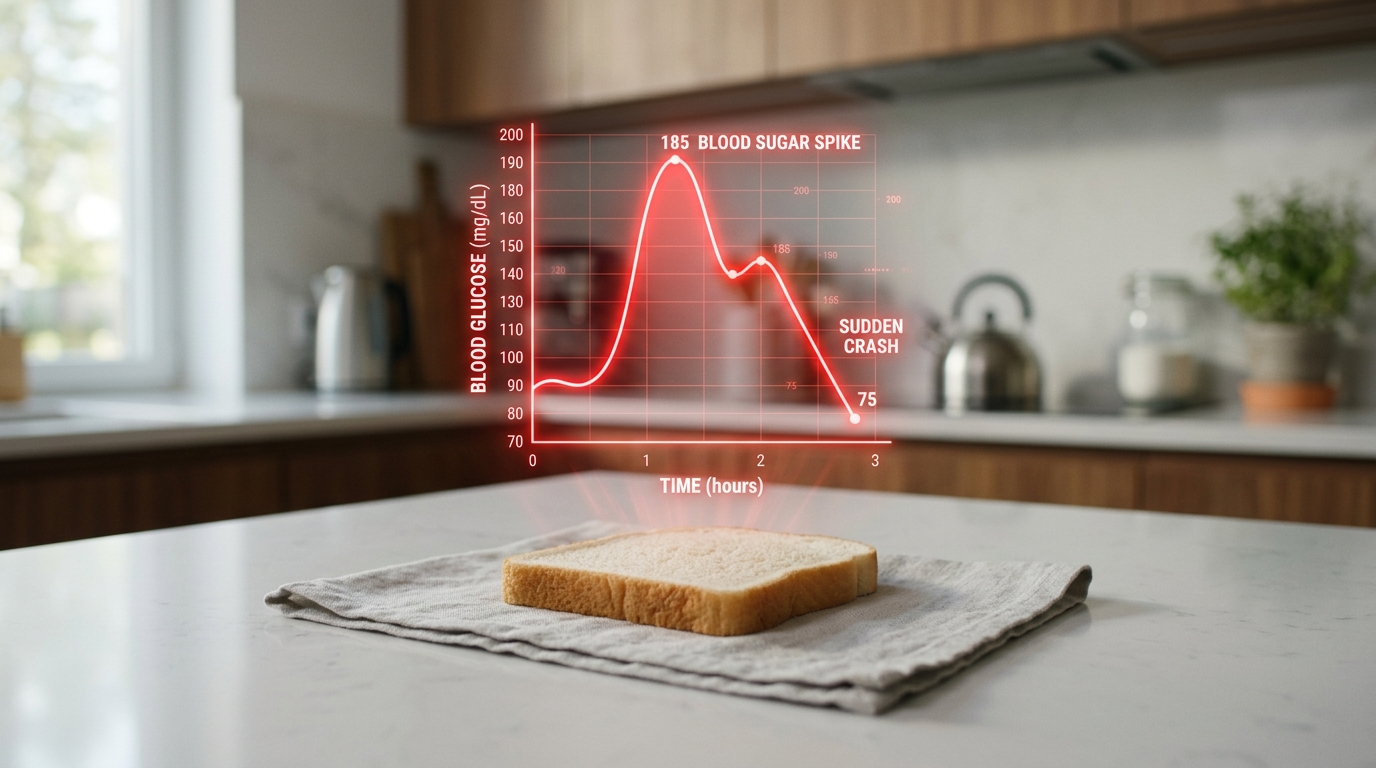
    Since there’s no fiber to slow things down, your body breaks that starch into glucose almost immediately. Your blood sugar doesn’t just rise; it skyrockets. In the science world, this is a “high GI” food (usually around 75), which is why it’s often called a “fast carb.”

    The Insulin Spike
    When your blood sugar hits those peaks, your pancreas panics. It pumps out a massive surge of insulin to shove that glucose into your cells for energy.

    The issue is that this insulin surge is usually way more than your body actually needs for fuel in that moment.

    How It Turns Into Fat
    This is the part where weight gain kicks in. Insulin is a storage hormone. First, it fills up your liver and muscle glycogen tanks. But once those are full, insulin has only one place left to put the energy: your fat cells.

    It converts the extra glucose into triglycerides and stores them, mostly around your stomach. While insulin is high, your body literally cannot burn fat. It’s locked in storage mode.

    The Hunger Loop
    Then comes the crash. Because the insulin response was so aggressive, your blood sugar often dips below baseline. This is called reactive hypoglycemia.

    Your brain reads this as an emergency and triggers an intense craving for more carbs. It’s a vicious loop: you spike, you surge, you crash, and then you’re hunting for a snack. You end up overeating not because you’re hungry, but because your hormones are tricking you.

    The Long Game: Insulin Resistance
    If this happens every day, your cells eventually stop listening to insulin. They become “resistant.” To fight this, your pancreas pumps out even more insulin to get the job done. More insulin equals more fat storage and a much higher risk of type 2 diabetes.

    Better Ways to Eat Bread
    You don’t have to quit bread forever. You just need to stop the spike:
    – Try Sourdough: The fermentation process actually lowers the GI.
    – Go for Sprouted or Whole Grains: Fiber acts like a brake, slowing down the glucose release.
    – The “Buffer” Trick: Never eat “naked” carbs. Pair your bread with protein or fats—think eggs, avocado, or olive oil. This slows digestion and keeps your energy stable.

    The Bottom Line
    White bread isn’t some forbidden fruit, but it is biologically designed to make you store fat and stay hungry. Switch to lower-GI options and pair your carbs wisely, and you can keep the toast without the hormonal rollercoaster.