Category: Women’s Wellness

  • The Power of Magnesium for Women’s Sleep and Anxiety: A Science-Backed Guide

    The Power of Magnesium for Women’s Sleep and Anxiety: A Science-Backed Guide

    Have you ever felt like your mind simply won’t shut off at 2 AM? Or that a wave of anxiety hits you for no apparent reason during a busy day? For many women, the missing piece of the puzzle isn’t more caffeine or a stricter schedule—it’s a simple mineral: Magnesium.

    Magnesium is involved in over 300 biochemical reactions in your body, but its role in the nervous system is where the magic happens for sleep and mood.

    The Sleep Connection: How Magnesium Calms the Brain

    If you struggle with insomnia or poor sleep quality, magnesium might be your best friend. Specifically, Magnesium Glycinate is often recommended for sleep because it’s highly absorbable and has a calming effect on the brain.

    Magnesium helps regulate neurotransmitters that quiet the mind. It binds to GABA receptors—the ‘brake pedal’ of your brain—helping you transition from a state of alertness to a state of relaxation. When your magnesium levels are low, your brain stays in ‘high alert’ mode, making it nearly impossible to fall or stay asleep.

    Managing Anxiety and Stress

    Anxiety isn’t just ‘in your head’; it’s a physiological response. Chronic stress depletes your magnesium stores, and low magnesium, in turn, makes you more susceptible to stress. It’s a frustrating cycle.

    Magnesium helps regulate the HPA axis (the system that controls your stress response). By keeping cortisol levels in check, magnesium prevents that ‘fight or flight’ feeling from taking over your day. For women, this is especially crucial during hormonal shifts—like PMS or perimenopause—where magnesium demand increases.

    How to Get More Magnesium

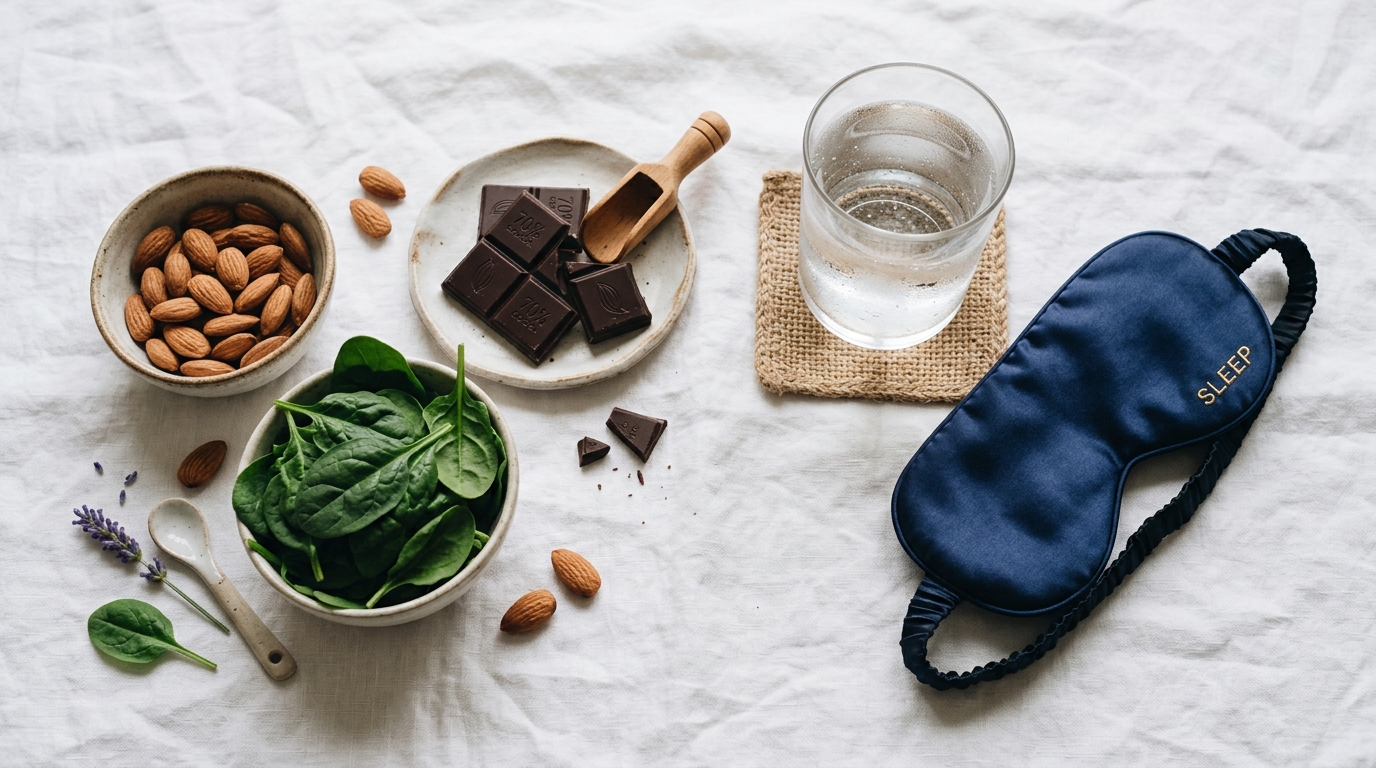
    You don’t always need a supplement to see results. Start with these magnesium-rich foods:

    • Dark Leafy Greens: Spinach and kale are powerhouses.
    • Seeds and Nuts: Pumpkin seeds (pepitas), almonds, and cashews.
    • Dark Chocolate: Yes, 70% cocoa or higher is a great way to get your dose.
    • Avocados: Packed with healthy fats and magnesium.

    If you choose a supplement, remember that not all magnesium is the same. Magnesium Citrate is great for digestion, but for sleep and anxiety, Magnesium Glycinate is the gold standard.

    Bottom Line

    Your brain and body cannot relax if they don’t have the raw materials to do so. By prioritizing magnesium, you’re giving your nervous system the tools it needs to shut down at night and stay calm during the day. Stop fighting your anxiety with willpower alone—start supporting your biology.

  • Your Gut Is Secretly Running Your Hormones (And How to Take Control)

    Your Gut Is Secretly Running Your Hormones (And How to Take Control)

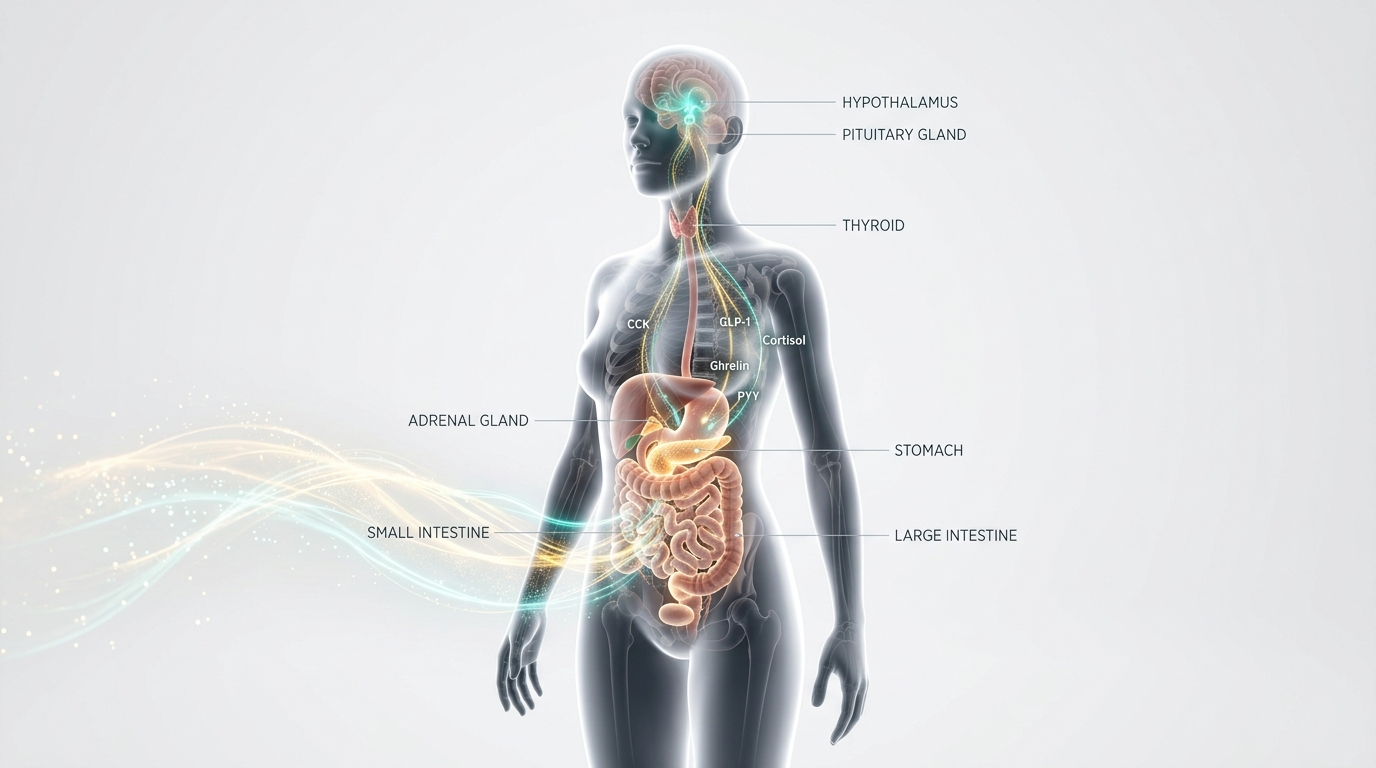
    I’ve spent a lot of time looking into hormones, and it’s wild how we used to think they were a closed loop—just the endocrine system chatting with the brain. Turns out, there’s a massive player we’ve been ignoring: your gut microbiome.

    It’s what scientists call the gut-hormone axis. Basically, if your gut is a mess, your hormones will probably be too. Whether you’re dealing with PCOS, perimenopause, or just that feeling of ‘everything is off’ with your mood and energy, the answer might actually be in your digestive tract.

    ## So, what’s the deal with this ‘axis’?

    Think of it as a two-way street. Your gut bacteria aren’t just there to break down your lunch; they’re actively producing metabolites and sending signals straight to your brain and ovaries.

    There’s this specific group of bacteria called the estrobolome. I love this term because it sounds complex, but the job is simple: it helps your body process and dump excess estrogen. When it’s working, you’re good. But when your gut balance flips, these bacteria can actually reactivate estrogen that was supposed to be gone and push it right back into your blood.

    That’s how you end up with estrogen dominance. It shows up as heavier periods, mood swings that feel out of control, or breast tenderness.

    ## The PCOS and Endometriosis Loop

    For anyone with PCOS or endometriosis, the gut is often the ground zero for the problem.

    In PCOS, the microbiome is usually less diverse and packed with pro-inflammatory bacteria. This leads to ‘leaky gut,’ where particles called lipopolysaccharides (LPS) leak into your bloodstream. That’s where the real trouble starts—it triggers systemic inflammation, which makes insulin resistance worse, which then spikes your androgens. And boom: acne and unwanted hair growth.

    Endometriosis is just as frustrating. The chronic inflammation from the condition damages the gut barrier, and a damaged gut barrier just fuels more inflammation. It’s a loop that makes managing pain feel like an uphill battle.

    ## How to actually fix it

    The good news? Your microbiome isn’t set in stone. You can actually push the bad bacteria out and invite the good ones in.

    **Focus on the right fiber.**
    Fiber isn’t just for ‘regularity.’ Cruciferous veggies—think broccoli and kale—contain indole-3-carbinol, which is basically a helper for your liver to detox estrogen. I’m a big fan of adding garlic and asparagus too, just to feed the good guys.

    **Get some fermented stuff in there.**
    Kefir, sauerkraut, or kimchi. Not everything tastes great, but introducing diverse bacterial strains is the fastest way to crowd out the inflammatory species that mess with your hormones.

    **Cut the sugar.**
    Too much added sugar is like fuel for the wrong bacteria. Since insulin directly affects your ovaries, keeping your blood sugar steady is one of the quickest ways to calm the whole system down.

    **Whole proteins and healthy fats.**
    Stick to unprocessed proteins and fats from avocados, olive oil, and seeds. Protein builds the hormones, and healthy fats protect your gut lining.

    Your hormones don’t operate in a vacuum. From the estrobolome dumping estrogen to the inflammatory triggers in PCOS, your gut is the foundation. Stop treating the symptoms and start fixing the microbiome. That’s where the real stability happens.

  • The Cortisol Belly: Stop Fighting Your Stress Gut (And Actually Lose the Weight)

    The Cortisol Belly: Stop Fighting Your Stress Gut (And Actually Lose the Weight)

    You’ve been doing everything ‘right.’ The clean eating, the gym sessions, the meticulous calorie counting—yet that stubborn layer of fat around your midsection just refuses to budge. It’s beyond frustrating. You start wondering if your metabolism has just quit on you.

    But here’s the thing: it’s probably not a calorie problem. It’s a hormone problem. Specifically, you’re likely dealing with what I call the ‘Cortisol Belly.’

    ## The Science of the Stress Gut

    Cortisol is your body’s ‘fight or flight’ hormone. In a pinch, it’s a lifesaver—it pumps glucose into your blood so you can run away from a predator. The problem is that in 2026, our ‘predators’ are endless emails, looming deadlines, and a phone that never stops buzzing.

    When you’re stressed 24/7, your cortisol doesn’t just spike; it stays high. And here’s the annoying part: fat cells in your belly have way more cortisol receptors than the ones on your arms or legs. So, when your body is flooded with this hormone, it essentially tells your system, ‘Take all the extra energy and store it right here in the middle.’

    This is why some of us end up with ‘skinny-fat’ bodies—thin limbs but a stomach that just won’t go away.

    ## The Sugar Trap

    Cortisol also plays a trick on your brain. It makes you crave the most processed, sugary things you can find. Your brain thinks it’s in a survival crisis and demands quick energy.

    When you give in to those cravings, your insulin spikes. And when insulin and cortisol team up, they become a powerhouse for fat storage. Insulin locks the fat in, and cortisol directs the traffic straight to your waistline.

    ## How to Actually Fix It (Hint: Stop Working Harder)

    Here is where most people mess up: they try to ‘fight’ the cortisol belly with more intensity. They do more HIIT, more cardio, more grueling workouts. But if you’re already burnt out, intense exercise is just more stress. It can actually push your cortisol higher, making your belly grow even as you work out more.

    If you want to lose the stress gut, you have to stop fighting and start recovering.

    **Fix your sleep first.**
    Sleep is the only time your cortisol actually resets. If you’re getting 5 hours of restless sleep, your cortisol is going to be through the roof the next morning. You can’t out-diet a lack of sleep. Prioritize that 7-9 hour window, or the rest of your efforts are mostly wasted.

    **Walk more, sprint less.**
    If you feel wired and tired, swap the gym for a long walk in the park. Low-intensity movement tells your nervous system that you’re safe. That’s the signal your body needs to stop storing fat and start burning it.

    **The ‘protective’ breakfast.**
    Stop starting your day with a glucose spike. Skip the sugary cereal or the plain toast. Go for eggs, avocado, or a protein shake. By stabilizing your blood sugar early, you prevent the insulin surges that amplify the cortisol effect.

    **Magnesium and breath.**
    Magnesium is like a natural mute button for stress. Load up on dark leafy greens or consider a supplement. And honestly? Just taking five minutes to breathe deeply into your stomach can trick your brain into thinking the ‘danger’ is gone.

    Your body isn’t broken; it’s just reacting to a high-stress world. The cortisol belly is a signal that you’re overwhelmed. Instead of pushing harder, try recovering smarter. When you lower the stress, the fat finally has a reason to leave.

  • Intermittent Fasting for Women: Why Your Approach Should Be Different

    Intermittent Fasting for Women: Why Your Approach Should Be Different

    Title: Intermittent Fasting for Women: Why Your Approach Should Be Different

    If you’ve looked into intermittent fasting (IF), you’ve probably seen a lot of success stories. But here’s the thing: most of the initial research on fasting was done on men. For women, the biological rules are different. Our bodies are far more sensitive to calorie restriction, and if you push too hard, your hormones might push back.

    Why the Difference?
    Women’s bodies are designed to protect reproductive health. When we experience severe calorie drops or excessive stress, the body triggers a survival mechanism. It thinks, “We’re in a famine,” and starts dialing down non-essential functions—like thyroid activity and reproductive hormones.

    This is why some women find that a strict 16:8 fast leads to insomnia, irritability, or even disrupted menstrual cycles. It’s not that fasting doesn’t work; it’s just that the “standard” way can be too aggressive.

    Listening to Your Cycle
    The most effective way for women to fast is to align it with their natural rhythm.

    During the first half of your cycle (the follicular phase), your body is generally more resilient and can handle longer fasting windows. This is a great time to experiment with 14 or 16-hour fasts.

    However, in the week leading up to your period (the luteal phase), your body’s demand for calories and nutrients increases. Progesterone rises, and your metabolism actually speeds up slightly. Pushing a strict fast during this time can spike cortisol (the stress hormone), which often leads to intense cravings and mood swings.

    A more sustainable approach? Try “Crescendo Fasting.” Start with 12 hours, then 14, and only go longer on days you feel truly energized.

    Key Tips for a Healthier Fast
    If you want to try IF without crashing your hormones, keep these three things in mind:

    1. Prioritize Protein: When you do eat, make sure you’re getting enough protein. This prevents muscle loss and keeps you full.
    2. Don’t Fear the Fats: Healthy fats like avocado and olive oil are crucial for hormone production.
    3. Be Flexible: If you wake up feeling exhausted or stressed, it’s okay to break your fast early. Your health is more important than a timer.

    The Bottom Line
    Intermittent fasting can be a powerful tool for weight loss and mental clarity, but it isn’t one-size-fits-all. By listening to your body and adjusting based on your cycle, you can get the benefits of fasting without sacrificing your hormonal balance.