Have you ever felt like your mind simply won’t shut off at 2 AM? Or that a wave of anxiety hits you for no apparent reason during a busy day? For many women, the missing piece of the puzzle isn’t more caffeine or a stricter schedule—it’s a simple mineral: Magnesium.
Magnesium is involved in over 300 biochemical reactions in your body, but its role in the nervous system is where the magic happens for sleep and mood.
The Sleep Connection: How Magnesium Calms the Brain
If you struggle with insomnia or poor sleep quality, magnesium might be your best friend. Specifically, Magnesium Glycinate is often recommended for sleep because it’s highly absorbable and has a calming effect on the brain.
Magnesium helps regulate neurotransmitters that quiet the mind. It binds to GABA receptors—the ‘brake pedal’ of your brain—helping you transition from a state of alertness to a state of relaxation. When your magnesium levels are low, your brain stays in ‘high alert’ mode, making it nearly impossible to fall or stay asleep.
Managing Anxiety and Stress
Anxiety isn’t just ‘in your head’; it’s a physiological response. Chronic stress depletes your magnesium stores, and low magnesium, in turn, makes you more susceptible to stress. It’s a frustrating cycle.
Magnesium helps regulate the HPA axis (the system that controls your stress response). By keeping cortisol levels in check, magnesium prevents that ‘fight or flight’ feeling from taking over your day. For women, this is especially crucial during hormonal shifts—like PMS or perimenopause—where magnesium demand increases.
How to Get More Magnesium
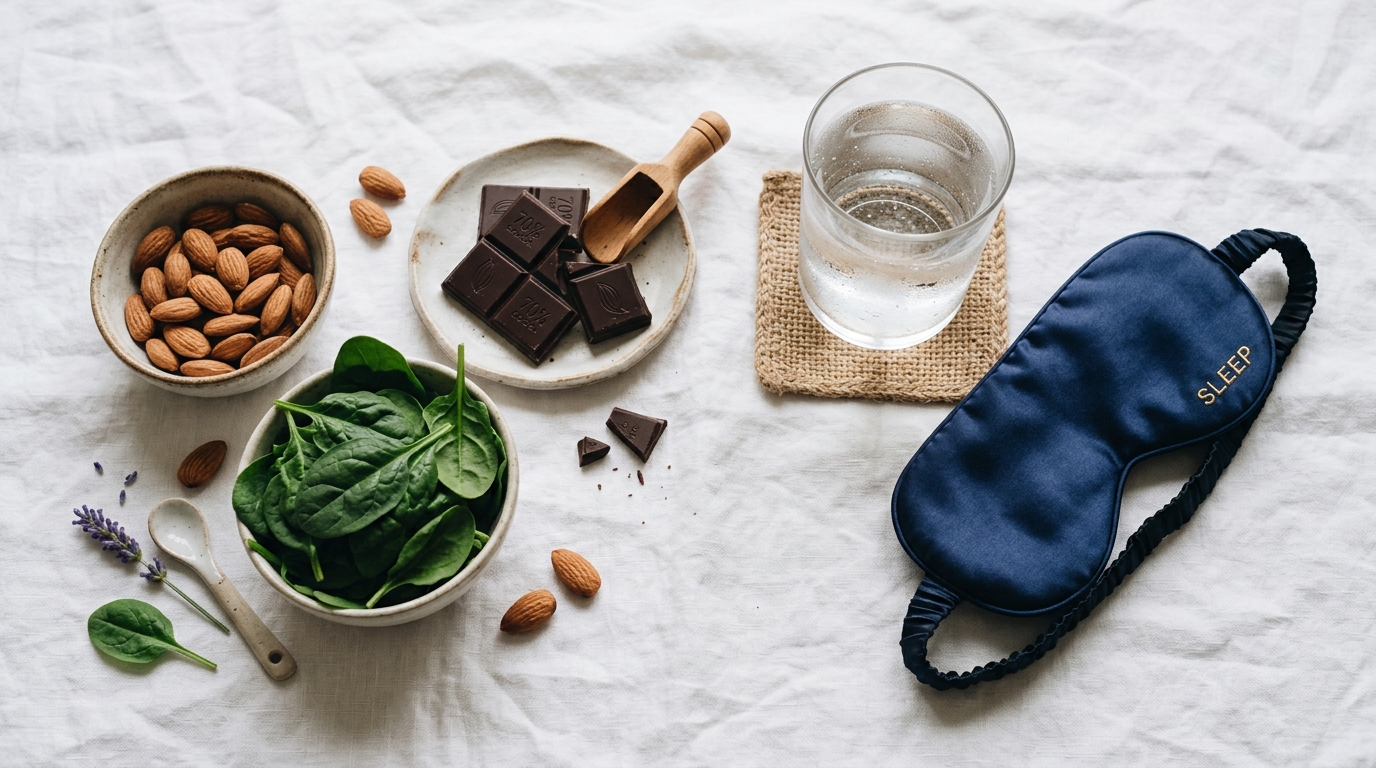
You don’t always need a supplement to see results. Start with these magnesium-rich foods:
- Dark Leafy Greens: Spinach and kale are powerhouses.
- Seeds and Nuts: Pumpkin seeds (pepitas), almonds, and cashews.
- Dark Chocolate: Yes, 70% cocoa or higher is a great way to get your dose.
- Avocados: Packed with healthy fats and magnesium.
If you choose a supplement, remember that not all magnesium is the same. Magnesium Citrate is great for digestion, but for sleep and anxiety, Magnesium Glycinate is the gold standard.
Bottom Line
Your brain and body cannot relax if they don’t have the raw materials to do so. By prioritizing magnesium, you’re giving your nervous system the tools it needs to shut down at night and stay calm during the day. Stop fighting your anxiety with willpower alone—start supporting your biology.
Leave a Reply