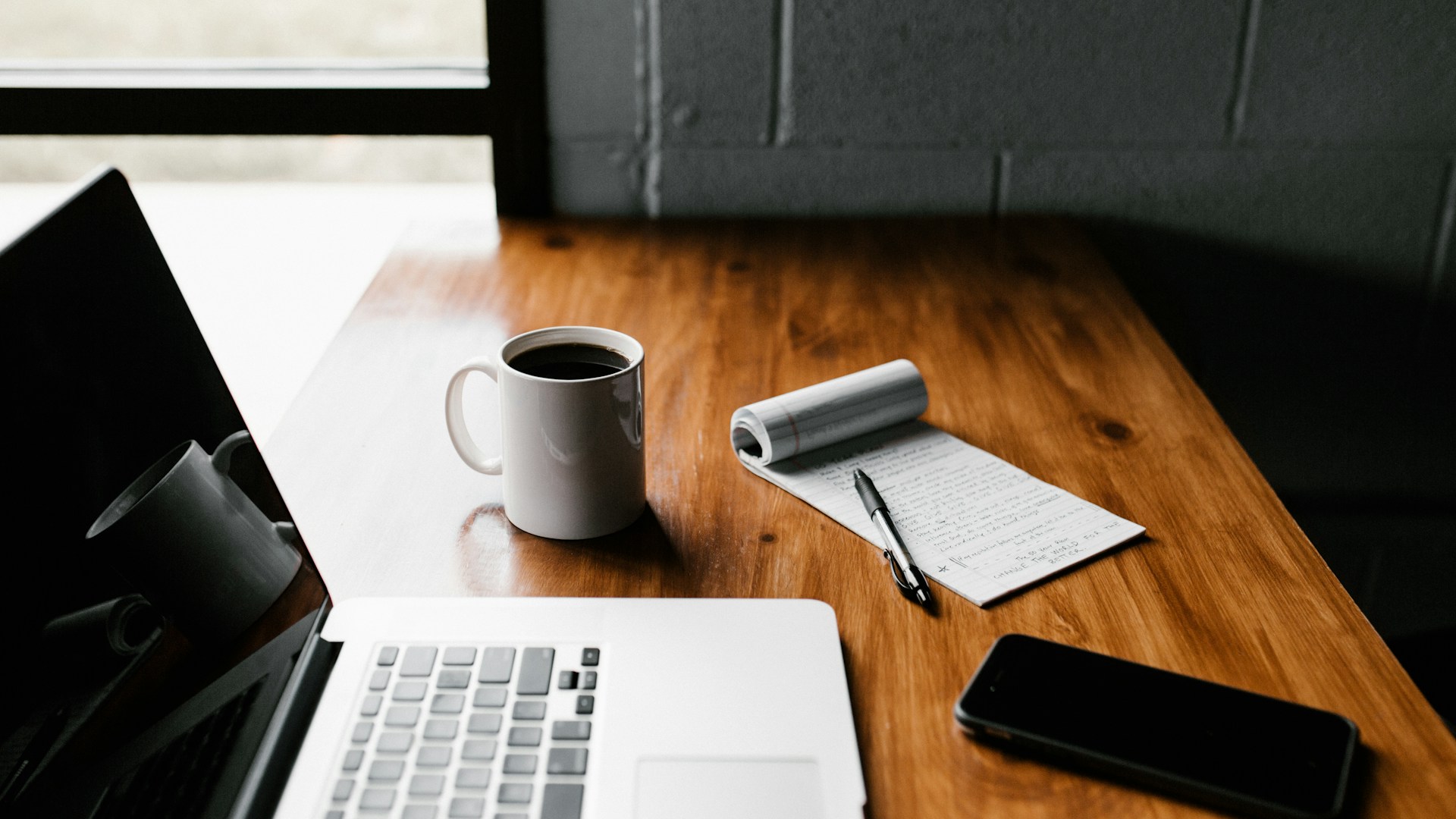
I tried a full digital detox once. I lasted six hours. By noon I had convinced myself that checking Instagram was “research” and answering a work email at 9 PM was “being responsible.” I deleted all my apps at 6 AM and reinstalled three of them before lunch. The whole experiment made me feel worse about my phone habits without actually changing them, which seems to be the pattern with dramatic detoxes. They ask too much and deliver too little. What eventually worked for me wasn’t a detox. It was smaller, quieter, and honestly a little boring. I started setting boundaries instead of pretending I could quit altogether. Boundaries that live in the phone’s settings hold better than the ones I have to remember, and when a setting cannot stop an app, a blocker that actually ends the session is the next thing to look at.
I spent years feeling like my phone was controlling me. I would open an app with no clear reason, scroll for twenty minutes, close it, feel guilty, and immediately open a different app. I knew I was doing it while I was doing it. That was the worst part. I wasn’t being tricked by an algorithm. I was just letting it happen because stopping felt harder than scrolling. The standard advice online was either “delete everything and move to the woods” or “just practice moderation.” Neither of those worked for me. So I started experimenting with specific, small rules. Some of them stuck. Here are the ones that did.
I stopped checking my phone before my feet touched the floor
This one sounds too simple to matter. I thought so too. But I noticed that the first thing I saw in the morning set the emotional tone for the next hour. If the first thing I looked at was a notification — a work message, a news alert, someone being passive-aggressive in a group chat — my brain started the day in reactive mode. So I made one rule: no phone until after I have stood up, made coffee, and sat down with the mug. That’s maybe ten minutes. Sometimes less. The rule isn’t about the screen time. It’s about who decides what gets my attention first. I want it to be me, not a notification I didn’t ask for.
I don’t always succeed. Some mornings I grab my phone while still half-asleep and scroll before I’ve even opened my eyes properly. On those days I notice the difference. I feel more scattered, less present. The contrast helped me keep the rule even when I wasn’t perfect at it.
I turned off all notifications except from real people
This was uncomfortable at first. I had a fear that I would miss something important. A breaking news story. A limited-time sale. A reply to my comment on a thread I had forgotten about. None of these things turned out to be important. What I actually missed was the dopamine hit of a red badge appearing on my screen. By turning off notifications from apps — Instagram, email, news, games, forums — I removed the external trigger. I could still check the apps, but only when I actively chose to open them. That tiny friction made a massive difference.
The only notifications I kept were texts and calls from actual people I know. That’s it. Everything else waits until I decide to look. I cannot describe how much calmer my phone feels now. It stopped being a device that interrupts me and became a device I consult when I need something.
I gave my phone a bedtime
This one took multiple attempts. I tried putting my phone in another room, but I would walk over, grab it, and bring it back to bed. I tried using grayscale mode at night, but I got used to it after two days. The only thing that worked was a hard rule with a physical barrier. I charge my phone in the kitchen now, not the bedroom. The kitchen is far enough that I will not get up to check it. If I need an alarm, I use a cheap alarm clock I bought at a department store. I did not want to buy another gadget. But spending fifteen dollars on a clock was cheaper than the sleep I was losing from checking my phone at 11 PM, then again at 11:45, then again at midnight.
The first week felt weird. I kept reaching for a phone that was not there. But after about ten days I stopped missing it. My sleep improved, not dramatically, but noticeably. I fall asleep faster and wake up less during the night. I cannot prove the absence of my phone caused that directly, but I am not going to change the arrangement to find out.
I stopped scrolling while doing other things
I had a habit of pulling out my phone during every idle moment. Waiting for coffee to brew. Standing in line. Sitting at a red light. Watching a show. I told myself I was being efficient — filling dead time with content. What I was actually doing was training my brain to never tolerate stillness. I noticed I could not even watch a full TV episode without picking up my phone halfway through. I was doing two things badly instead of one thing well.
I started leaving my phone in my bag when I was doing something else. Not putting it face down on the table next to me. In the bag. Out of sight. The first few times I felt fidgety and restless. My hand literally twitched toward where the phone should be. But after a couple of weeks, the urge faded. I started paying attention to things I had been half-ignoring. The taste of my morning coffee. The plot of the show I was watching. The conversation I was having. It is not a spiritual awakening. It is just being present, which turns out to be nicer than I remembered.
I stopped treating screen time like a moral failure
This is the one I did not expect. The more time I spent beating myself up about my screen time, the more I used my phone to escape the feeling of beating myself up. It was a loop. Guilt led to scrolling, scrolling led to more guilt. Breaking the loop meant stopping the guilt first, not the scrolling.
I decided to stop tracking my screen time. No weekly reports, no app timers that I would override anyway, no shame spirals about how many hours I spent on my phone. I accepted that I live in a world where phones exist and I will use mine. The goal was not to use it less. The goal was to use it more intentionally. When I stopped measuring every minute as wasted or productive, the pressure dropped. And weirdly, I started using my phone less naturally, not because I was forcing it, but because I was not rebelling against a restriction.
What I actually gained
None of these changes made me a different person. I still spend too much time on my phone some days. I still click on apps without thinking. I still watch reels until my eyes hurt. But the ratio shifted. Most of my phone use now is intentional. I open an app because I want to, not because my thumb moved on its own. I put the phone down without feeling like I am depriving myself. The absence of that low-level guilt is, honestly, the biggest win.
Related: Realistic self-care without a 5 AM routine
Related: Screen-free activities for toddlers that actually worked
If you have tried a digital detox and it did not stick, I think you are normal. The all-or-nothing approach works for a small number of people who have very specific relationships with their devices. For the rest of us, small boundaries are more honest. They admit that we are not going to throw away our phones. We are going to keep them, but we are going to stop letting them run the show. That is not a detox. It is just taking back control, one small rule at a time.
How Ananta can help
Ananta is our self-care and journal app for Android: a short daily place to log your mood and sleep, read one affirmation, and keep a small routine going through a busy week. If the advice above sounds right but you know a paper journal will not survive past Tuesday, that is the gap Ananta is built for. It is on the landing page and on Google Play, and you can see all of our apps on the Apps & Products page.
Leave a Reply