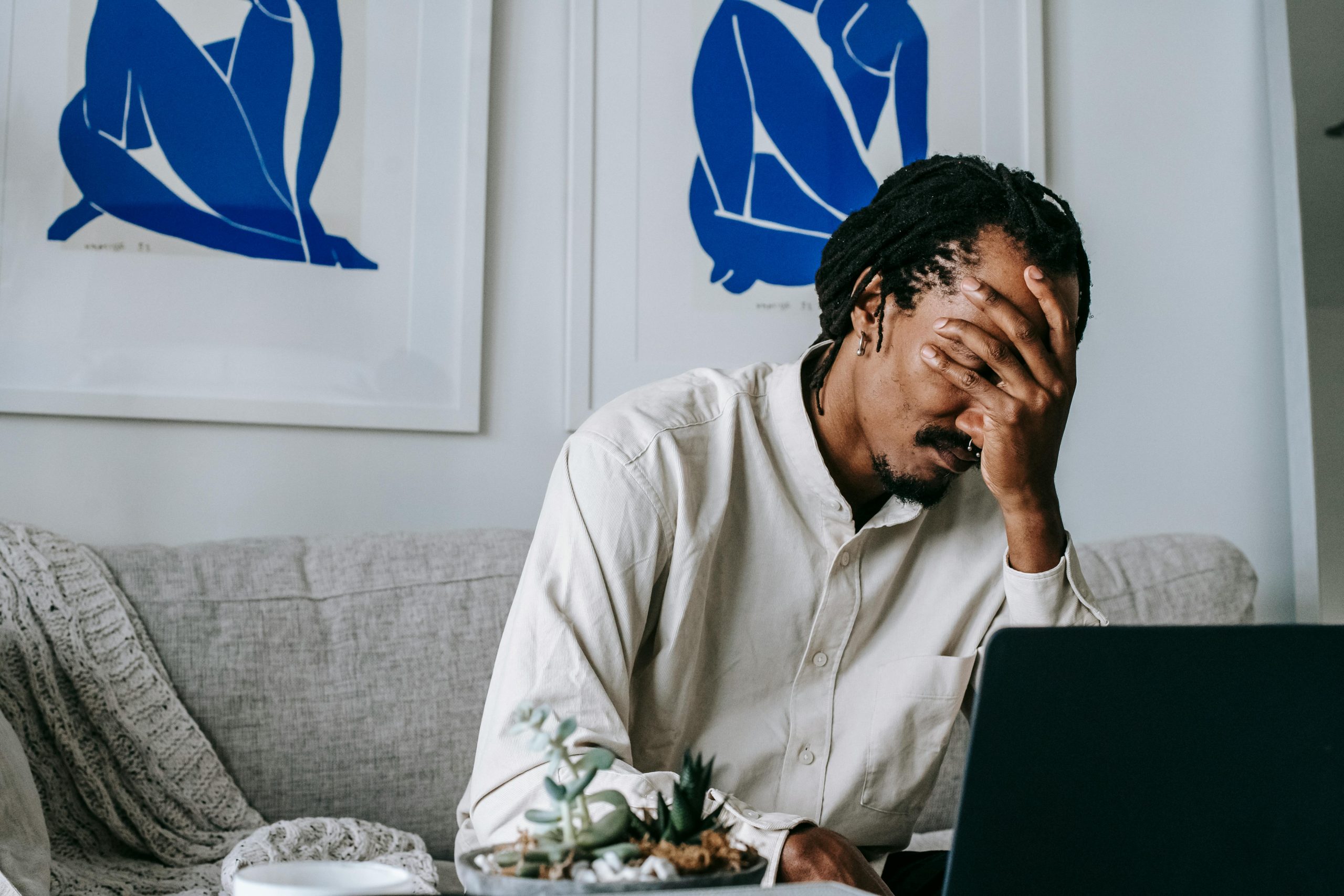
I used to think I had a willpower problem. Every time I finished a good meal, the same thing would happen. My body would go heavy, my brain would go fuzzy, and all I wanted to do was curl up on the nearest horizontal surface and close my eyes for twenty minutes. I called it laziness. I called it a lack of discipline. Turns out I was wrong about all of it.
Feeling sleepy after eating is not a personal failing. It has a name, a biological mechanism, and happens to pretty much everyone. The medical term is postprandial somnolence. The more casual name is a food coma. And once I understood what was actually happening inside my body every time I ate, I stopped feeling guilty and started working with my biology instead of against it.
What Happens Inside Your Body the Moment You Finish Eating
Here is the short version: when food enters your stomach, your body redirects blood flow toward your digestive system. This is called the parasympathetic response, and it is basically your nervous system hitting the “rest and digest” button. The same system that helps you wind down before sleep also gets activated when you eat a meal.
Your stomach and intestines need extra blood to break down food and absorb nutrients. That blood has to come from somewhere, so your brain and muscles get a little less for a while. Not enough to cause harm, but enough to make you feel sluggish and slow. You are literally running on a slightly reduced oxygen supply to your brain while your gut takes center stage.
At the same time, your body releases a wave of hormones. Insulin surges to manage the incoming glucose. Cholecystokinin, a hormone that signals fullness, rises and has a known sedating effect. And if your meal contained tryptophan, an amino acid found in protein-rich foods like chicken, eggs, and tofu, your brain starts converting it into serotonin and then melatonin, the very hormone that tells your body it is time to sleep.
So in a single meal, your body is pulling blood away from your brain, flooding your system with sedating hormones, and possibly triggering melatonin production. Wanting to lie down after that is not weird. It is the most natural response in the world.
Why Some Meals Knock You Out Harder Than Others
Not every meal hits the same way. A light salad at noon might leave you feeling fine, while a plate of fried rice at lunch can send you straight into a horizontal coma. (This also connects to something I discovered about simple breathing techniques that help reset your nervous system when your body feels out of your control.) The difference comes down to three things: what you ate, how much you ate, and how quickly your blood sugar responds.
Carbohydrate-heavy meals, especially refined carbs like white rice, pasta, and bread, cause a sharp spike in blood sugar followed by an equally sharp crash. That crash is what makes your eyelids feel like they weigh three kilograms each. High-fat meals slow down digestion and keep your body in that rest-and-digest state for longer, so the drowsiness stretches out across the afternoon. Large portions, no matter what is on the plate, simply demand more blood and more energy for digestion, which means more of that heavy, sluggish feeling.
Interestingly, tryptophan has a harder time crossing into your brain when consumed alongside other amino acids from protein. But when you eat carbohydrates, insulin clears those competing amino acids out of your bloodstream, giving tryptophan an easier path. This is why a meal that combines carbs and protein, think rice with chicken or bread with eggs, can be especially sleep-inducing. The carbs open the door, and the tryptophan walks right through.
When Feeling Sleepy After Eating Is Trying to Tell You Something
Most of the time, post-meal drowsiness is harmless. It is just your body doing its job. But sometimes it can be a signal worth paying attention to.
If you feel extremely sleepy after eating almost every meal, especially if the drowsiness is accompanied by intense thirst, frequent urination, or unexplained weight changes, it could point to blood sugar regulation issues. People with insulin resistance or undiagnosed prediabetes often experience exaggerated post-meal fatigue because their bodies struggle to manage glucose efficiently. The blood sugar swings are wider and harder, and the resulting crash feels a lot heavier.
Thyroid function can also play a role. An underactive thyroid slows down your entire metabolism, and the extra effort your body needs just to process a meal can leave you feeling completely drained. Food intolerances and sensitivities, even mild ones that do not cause obvious digestive distress, can trigger an immune response that uses up energy and creates fatigue after eating.
None of this is meant to scare you. For most people, feeling a little sleepy after lunch is perfectly normal. But if the exhaustion feels disproportionate or is getting in the way of your daily life, a conversation with a doctor is never a bad idea. A simple blood test can rule out the things worth ruling out.
What I Changed That Actually Made a Difference
I did not want to stop enjoying food. I just wanted to stop feeling like I needed a nap after every meal. Here is what actually helped, in order of impact:
How Ananta can help
Ananta is our self-care and journal app for Android: a short daily place to log your mood and sleep, read one affirmation, and keep a small routine going through a busy week. If the advice above sounds right but you know a paper journal will not survive past Tuesday, that is the gap Ananta is built for. It is on the landing page and on Google Play, and you can see all of our apps on the Apps & Products page.
I started eating a little less at each sitting.
I still eat until I am satisfied. But I stopped eating until I am stuffed, and the difference was immediate. Smaller meals mean less blood diverted to digestion and a gentler insulin response. If I am still hungry an hour later, I eat a handful of nuts or a piece of fruit. Splitting my lunch into two smaller portions, one at noon and one around two, almost completely eliminated that post-lunch crash.
I pay attention to how I combine foods now.
I did not cut out carbs. I love rice too much for that. But I started making sure every meal includes fiber and a decent amount of vegetables alongside whatever carbs and protein are on the plate. Fiber slows down digestion and blunts blood sugar spikes, which means a gentler insulin release and a smoother energy curve. A bowl of plain white rice hits differently than the same rice eaten with stir-fried greens and tempeh.
I move my body for ten minutes after I eat.
You do not need a workout. A slow walk around the block, or even just standing up and tidying the kitchen, helps your muscles pull glucose from your blood without requiring extra insulin. (I wrote about how walking every day without treating it as exercise changed my relationship with movement.) This takes some of the pressure off your system and keeps your energy from bottoming out. I used to think I was too tired to move after eating. It turns out moving is exactly what stops me from feeling tired in the first place.
I stopped fighting it entirely when I can afford to.
Some days, if my schedule allows, I just lean into it. A twenty-minute power nap after lunch, not long enough to enter deep sleep but enough to reset my brain, leaves me sharper for the rest of the afternoon than any amount of coffee ever did. (I already wrote about the afternoon energy dip and how I learned to work with it instead of hating myself for it.) The key is keeping it short. Anything longer than thirty minutes and I wake up groggy and disoriented, which defeats the whole purpose.
Your Body Is Smarter Than Your Guilt
Here is the thing I wish someone had told me years ago: wanting to rest after eating is not a sign that you are lazy, unmotivated, or doing something wrong. It is a sign that your digestive system is functioning, your hormones are responding to food the way they evolved to, and your nervous system knows how to shift gears between activity and restoration.
The next time you finish a meal and feel the familiar pull toward the couch, give yourself a pause before the guilt kicks in. Your body just received fuel and is doing the complex work of turning that fuel into energy for everything else you need to do. A little drowsiness along the way is not a bug in the system. It is part of the design.
You can tweak what and how you eat. You can add a short walk. You can check in with a doctor if something feels off. But you do not need to apologize for having a body that works the way bodies work.
Leave a Reply