Somewhere between “I should drink more water” and “my stomach feels like a balloon,” most good intentions die. You fill a big bottle on Monday, finish it by Wednesday, and quit by Friday because drinking that much leaves you heavy and uncomfortable. But the 2-liter habit is not the problem; the way most people start it is. If you want to drink 2 liters of water a day without bloating, the answer depends on which water drinker you are today.
Key takeaways
- Sip steadily through the day instead of chugging big volumes at once.
- The 2-liter target is a general guide, not a hard rule for everyone.
- Still water is gentler on a bloated stomach than sparkling.
- Bloating that will not settle deserves a doctor’s check.
Which water drinker are you?
Nobody starts a hydration habit from the same place. Being honest about your pattern makes the fix obvious, so pick the one that sounds most like you.
- The chugger downs a full bottle in three gulps after forgetting to drink all morning, then wonders why their stomach hurts.
- The sipper takes small, regular sips and rarely feels bloated, but often falls short of the target.
- The fizz lover reaches for sparkling water for flavor and ends up with extra gas in their gut.
- The forgetter gets busy, ignores thirst for hours, and tries to “catch up” late in the day.
If you are a chugger or a forgetter, the bloating is mostly about timing and volume, not about water itself. If you are a fizz lover, the bubbles are doing some of the work. And if you are already a sipper, your job is easier: you mostly need reminders, not a new strategy.
Why drinking water can make you feel bloated
Bloating usually means gas or fluid building up in your digestive tract, and a few habits make it worse. Swallowing air while eating or drinking quickly is a common cause, the NHS notes, and gulping water fast does exactly that. Sparkling drinks add carbon dioxide gas to the mix, which is why fizzy water can leave you feeling full even though you drank nothing but water.
Timing matters too. Drinking a large amount in one sitting stretches your stomach quickly, and doing it late in the day, close to meals or right before bed, makes the discomfort more noticeable. None of this means you should drink less. It means you should drink differently: smaller amounts, more often, and mostly still water.
The other side of the story is that water actually helps with bloating. Dehydration slows digestion and can make constipation worse, and constipation is one of the most common reasons people feel bloated. NHS guidance lists drinking plenty of water among the first things to try when your stomach feels swollen. The goal is to reach enough water without giving your gut a reason to complain.
How to drink 2 liters of water a day without bloating
The standard advice to drink 2 liters of water a day comes from a simple starting point: about eight glasses of 250 ml each. For many healthy adults that is a reasonable target, and the National Academy of Medicine suggests roughly 2.1 liters of total fluid per day for adult women and 3 liters for men, with about a fifth of that coming from food. That makes 2 liters of actual water a solid, realistic goal for most women, not an extreme one.
Your body can handle the volume. Healthy kidneys process excess water by passing it as urine, and serious problems from drinking too much are rare and mostly tied to extreme circumstances such as endurance events. What your stomach cannot handle as easily is a sudden flood. The trick is pace, not volume.
- Spread it out. Aim for one glass every hour or two from morning to midafternoon, rather than saving it all for the evening. Your stomach empties steadily, so it never has to hold a liter at once.
- Keep a bottle where you can see it. A marked bottle on your desk or in your bag is a visual reminder, and a steady sip every time you glance at it quietly builds the total.
- Drink most of it before dinner. Front-load your intake earlier in the day so you are not chugging close to bedtime, which helps both bloating and sleep.
- Choose still over sparkling if bubbles bother you. If you love the fizz, keep sparkling water as an occasional treat and do your main hydration with still water.
- Add flavor without sugar. Slices of lemon, cucumber or mint make plain water easier to drink, and Harvard nutrition experts recommend infused water as a healthy way to increase intake.
A quick hydration check: pale yellow urine usually means you are well hydrated, while dark yellow urine is a sign to drink more. If you are rarely thirsty and your urine stays pale, you may already be getting enough without forcing a number.
Make the habit stick past the first week
Starting is easy; continuing is where most people slip. Anchor your drinking to things you already do: one glass when you wake up, one with each meal, one after your afternoon walk. Link the habit to a routine instead of to willpower, and the 2 liters stop feeling like a chore.
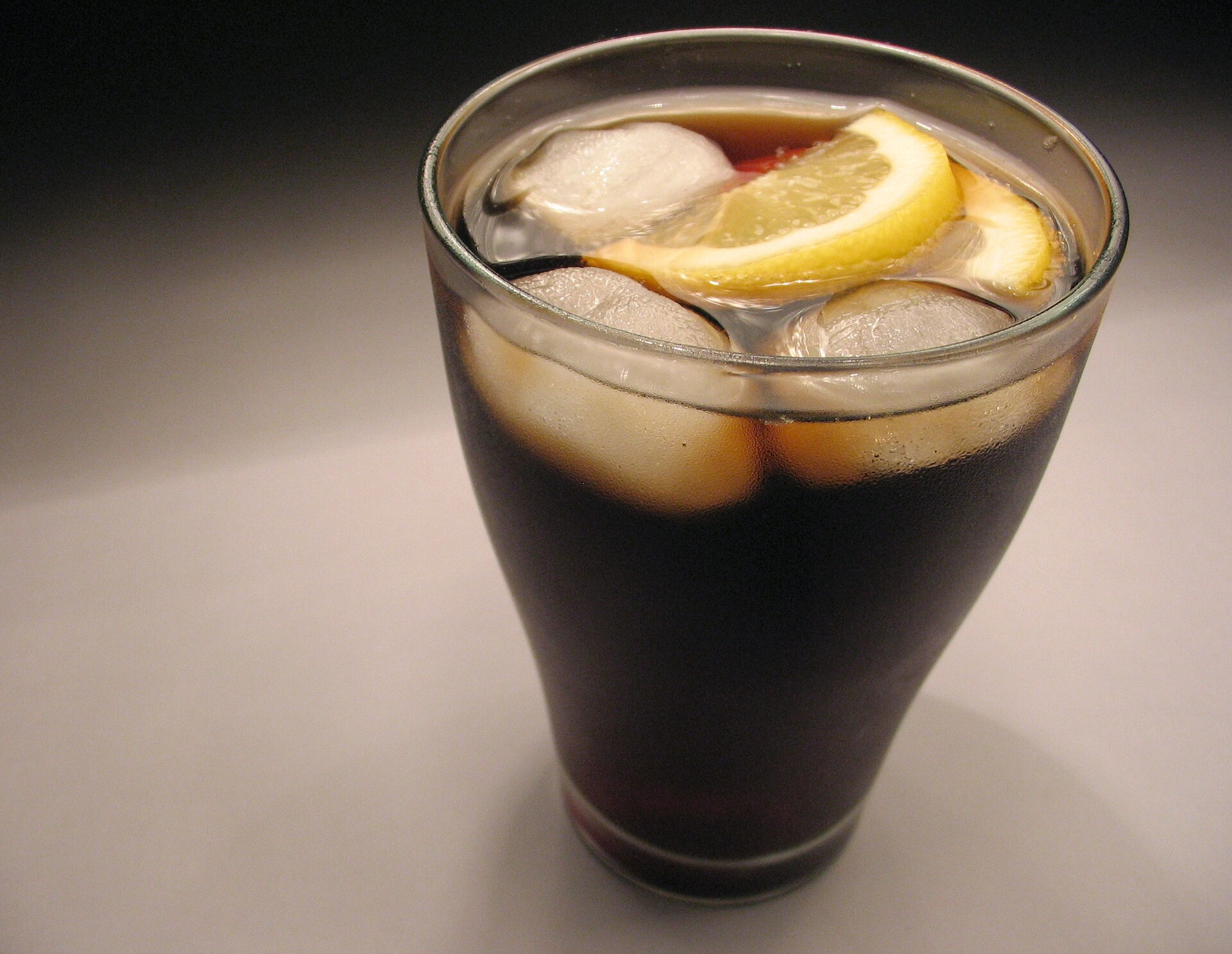
If plain water bores you, rotate flavors so it stays interesting. Keep a refillable bottle in your bag and refill it at water fountains or cafes, which removes the “I have nothing to drink” excuse. And if you miss a day, do not try to make up for it by drinking double the next day; that is exactly the pattern that causes bloating. Just start again the next morning. Replacing one sugary drink a day with water is often the easiest first swap, and if you are curious whether your fizzy drink habit affects more than your waistline, our myth-versus-fact piece on soda and your period is worth a read.
One more thing worth knowing: thirst is not always a reliable early signal, especially as you get older, and it is easy to confuse hunger with thirst. Drinking on a schedule, rather than waiting until you feel dry, is what separates people who maintain the habit from people who abandon it in week two.
When to see a doctor about bloating
Bloating that appears after you change how much you drink usually settles once you adjust your pace. But the NHS says to see a GP if you feel bloated regularly, if bloating does not go away after you try changing your habits, or if bloating comes with unintentional weight loss or blood in your stool. Sudden, severe bloating with strong stomach pain, vomiting or a swollen belly can be urgent, so get medical help quickly in that situation.
FAQ
Is it safe to drink 2 liters of water a day?
For most healthy adults, yes. Kidneys normally pass extra water as urine, and the target sits close to the roughly 2.1 liters of daily fluid that the National Academy of Medicine suggests for adult women. People with kidney, heart or liver conditions should ask their doctor about the right amount for them.
Why do I feel bloated when I drink more water?
Usually because of how you drink it, not the water itself. Gulping quickly makes you swallow air, and sparkling water adds gas. Slow sips of still water spread across the day rarely cause bloating.
Can sparkling water count toward my 2 liters?
It counts as fluid, but if you are prone to bloating, the carbonation can make you feel full. Use still water for most of your intake and treat sparkling as an occasional swap.
How do I remember to drink enough water?
Tie it to existing routines: a glass after waking, one with each meal, one after exercise. Keep a visible bottle and sip whenever you notice it, or set a gentle phone reminder for a few key times.
Does drinking more water help with bloating?
It can. Dehydration contributes to constipation, a common cause of bloating, and the NHS lists drinking plenty of water among its first remedies. The key is steady intake, not one large bottle at once.
This article is for general information and is not medical advice. Fluid needs vary with age, activity, climate and health conditions, so talk to a qualified healthcare provider if you are unsure what is right for you.
Sources
- Harvard T.H. Chan School of Public Health: Water – https://www.hsph.harvard.edu/nutritionsource/water/
- NHS: Bloating – https://www.nhs.uk/conditions/bloating/
- NHS: Dehydration – https://www.nhs.uk/conditions/dehydration/
- NayaBisa: Can Soda Affect Your Period? Myth vs Fact – https://nayabisa.com/can-soda-affect-your-period/