For many of us, the transition into perimenopause and menopause feels like waking up in a body you don’t recognize. One day things are fine, and the next, you’re staring at the ceiling at 3 a.m., wondering why you’re suddenly irritable or why your metabolism seems to have just stopped working. While this is a natural part of aging, it doesn’t have to feel like a crisis. The goal is hormone harmony—basically, adjusting how you eat and move to match what your body actually needs right now.
What’s actually happening with your hormones?
During perimenopause, estrogen and progesterone don’t just drop; they fluctuate wildly. Estrogen does a lot of heavy lifting for your heart, brain, and bones. When it dips, you get the classic symptoms: hot flashes and anxiety. But it also changes how you handle insulin. This is why many women notice weight gain around the midsection, even if their diet hasn’t changed.
Nutrition that actually works
The old “eat less, move more” advice is usually useless here. Instead of restricting calories, focus on giving your body the right building blocks.
Eat more protein to keep your muscle
Muscle loss (sarcopenia) speeds up during menopause. Muscle isn’t just for looks—it’s your main metabolic engine. Try to get about 1.2 to 1.5 grams of protein per kilogram of body weight. Stick to things like fish, tofu, beans, and lean meats. This helps keep your muscle mass intact and stops the blood sugar spikes that cause mood swings.
The importance of fiber
Fiber helps your body clear out excess hormones, which can reduce bloating and breast tenderness. I recommend loading up on cruciferous vegetables—broccoli, cauliflower, and Brussels sprouts are great because they contain compounds that help your liver process estrogen more effectively.
Don’t fear healthy fats
Your hormones are literally made from cholesterol. If you cut out fats, your hormone production suffers. Omega-3s from walnuts, flaxseeds, and salmon are essential for fighting inflammation and clearing that “brain fog” so many women describe.
Why you need to lift weights
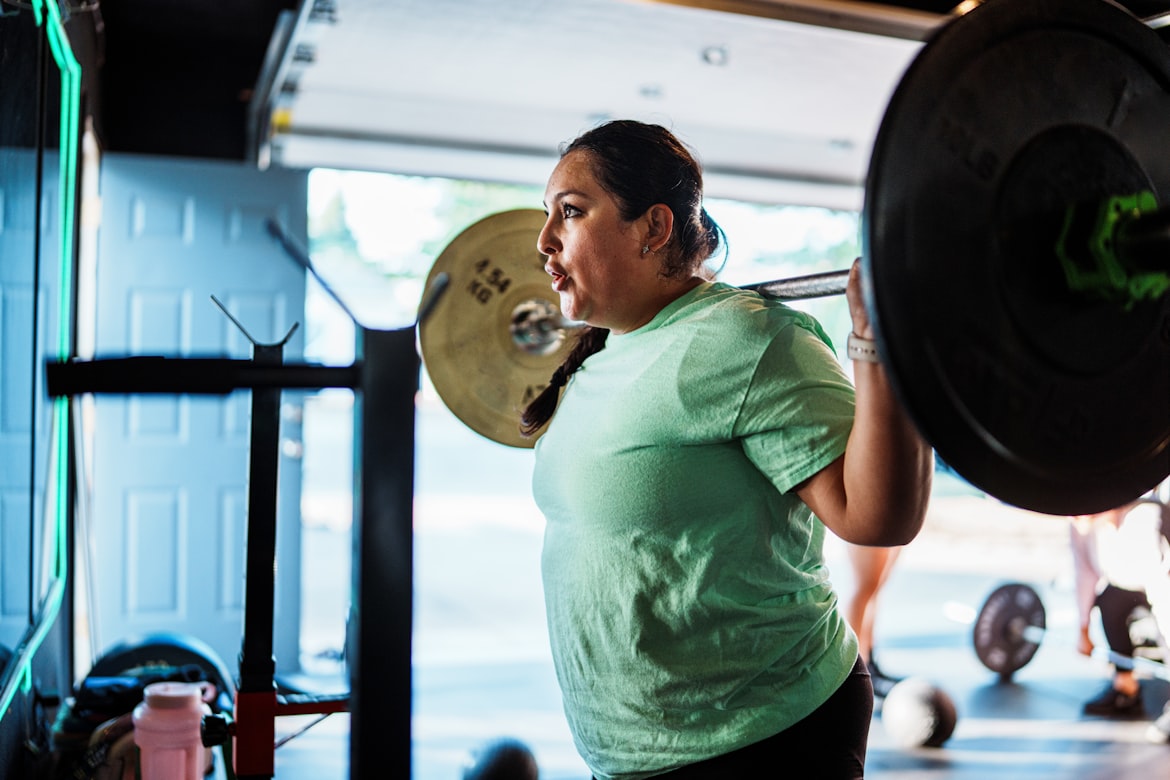
If you only do one thing, make it strength training. Cardio is great for your heart, but weights are for your bones and metabolism.
- Bone health: Estrogen loss makes bones more brittle. Lifting weights puts a healthy stress on your skeleton, which tells your body to keep the bones dense and strong.
- Metabolism: Muscle burns more energy than fat. By building a bit more muscle, you make it easier to maintain your weight even when your hormones are acting up.
A mix of heavy weights a few times a week and some mobility work—like yoga or Pilates—is usually the sweet spot.
Stress and sleep: the missing pieces
High cortisol (the stress hormone) is a disaster for hormone balance. It tells your body to store fat in the belly and ruins your sleep. Keep your bedroom cool and dark, and try to find a way to actually unplug. Whether it’s deep breathing or just a walk outside, lowering your stress levels helps your body recover.
Bottom line: You don’t have to fight your body during this transition. By shifting your focus to protein, fiber, and strength, you can get through perimenopause and menopause with your energy and sanity intact.
Leave a Reply