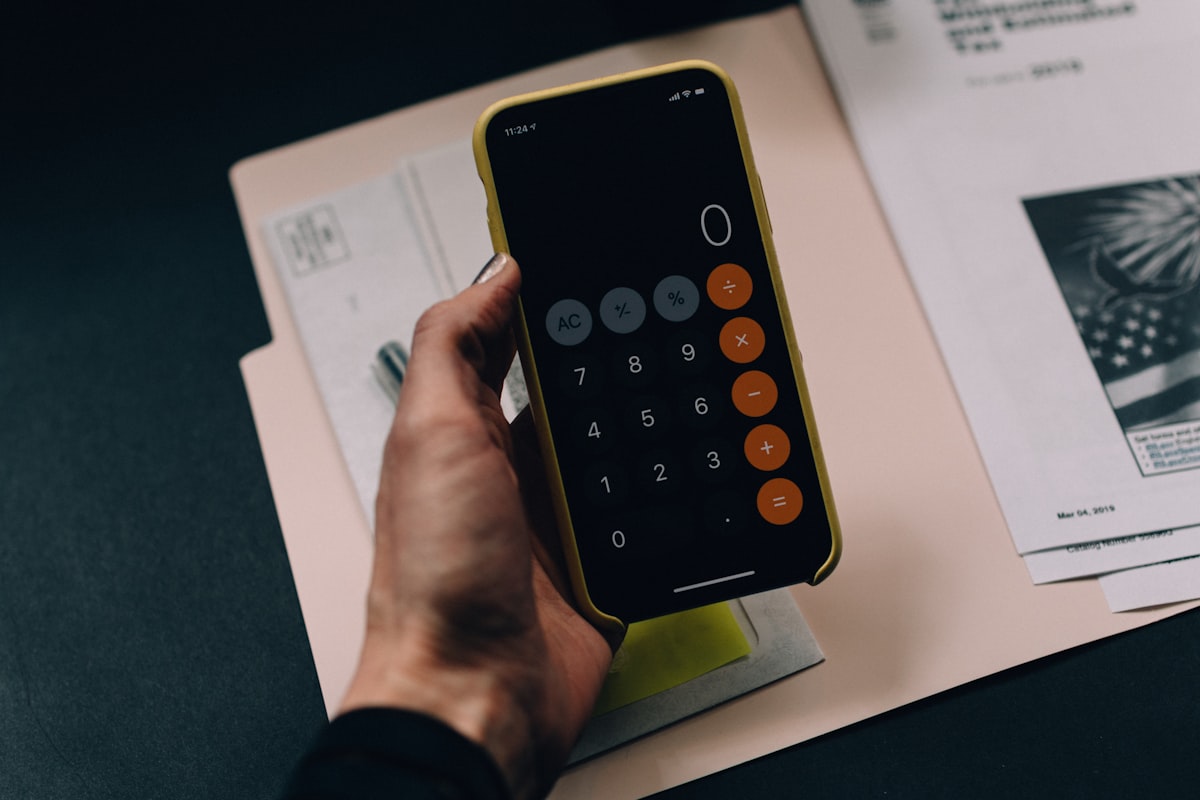
For the longest time, I could not buy myself a cup of coffee without feeling like I had done something wrong. Not because I could not afford it. I could. But somewhere in the back of my head, a little voice would whisper that the money should go to the kids, the groceries, the savings, or literally anything else that was not just for me. I told myself I was being responsible. Looking back, I think I was just really good at making myself feel small. The same reflex shows up away from money entirely and is worth naming: taking myself out for coffee alone once required a written list of emergency protocols taped to the fridge.
Money anxiety does not always look like panic over bills. Sometimes it looks like standing in front of a ten-dollar face mask at the pharmacy and talking yourself out of it for twenty minutes. That was me. A working mom with a decent household income who still treated her own needs like a budgeting error.
The moment I realized something was off
Last year, my husband noticed I had not bought new clothes in over two years. He pointed it out casually, not in a critical way, but it hit me hard. I had replaced my kids wardrobes three times during that same period. I had upgraded our kitchen gadgets. I had restocked the pantry every week without blinking. But for myself? I was wearing shoes with worn-down soles and pretending it did not bother me.
It was not about the shoes. It was about the pattern. I had built a mental habit where spending on myself felt like a failure, even when we were not struggling. I was stuck in a loop of guilt that had nothing to do with our actual bank balance.
Where the guilt came from
I grew up in a household where money was tight. My parents worked hard and sacrificed constantly. “We will get it next month” was the soundtrack of my childhood. I internalized the idea that wanting things for yourself was selfish, and selfish was bad. That message stuck around long after our financial situation changed.
As an adult, I carried that scarcity mindset into a life where scarcity was not really the problem. The problem was that I had never learned how to spend without panic. Budgeting, for me, had always been about restriction. It was a list of things I could not do. No wonder I hated it.
What actually helped: a guilt-free category
The shift started when I changed how I thought about budgeting. Instead of seeing it as a set of rules designed to say no, I started using it as a way to say yes on purpose. I created a line item in our monthly budget that was just for me. Not for the family. Not for emergencies. Just a small pile of money I could spend on whatever I wanted, no justification required.
At first, it felt ridiculous to write “personal spending” next to groceries and utilities. But having it there in black and white did something important. It made my spending feel planned instead of impulsive. It gave me permission.
I started small. Twenty dollars a week. Some weeks I bought a book. Some weeks I got that coffee. One month I saved up and bought a pair of boots that did not hurt my feet. Nothing extravagant. But every purchase felt like a tiny act of trust in myself.
Why this is not about “treating yourself”
I want to be clear here. This is not a story about self-care as retail therapy. I am not suggesting that buying things fixes deeper problems. What changed for me was not the stuff I bought. It was the mental shift from “I do not deserve this” to “I am allowed to exist in my own budget.”
There is a difference between emotional spending and intentional spending. Emotional spending is what I used to do at 11 PM, scrolling through my phone, buying things I did not need because I felt anxious and empty. Intentional spending is walking into a store knowing I have thirty dollars set aside for exactly this purpose, picking something that actually matters to me, and leaving without the guilt spiral.
Learning that difference took time. I had to sit with the discomfort of spending on myself and realize the world did not end. I had to notice that my kids were fine, the bills were still paid, and the savings account was still growing. The fear was louder than the reality.
The awkward conversations I had to have
This process also meant talking to my husband about money in ways we had avoided before. Not about big decisions. We were already good at those. I mean the small, uncomfortable stuff. Like admitting that I felt guilty every time I spent money on myself, even though he had never made me feel that way. Like explaining that I needed him to stop saying “just buy it” because that did not fix the voice in my head. What I needed was the space to figure out my own relationship with spending, and for him to trust that I was working on it.
Those conversations were not fun. They were awkward and a little embarrassing. But they helped. They made the whole thing feel less like a secret shame and more like a real thing we could navigate together.
Where I am now
These days, I still budget. I still save. I still prioritize the family spending. But I no longer erase myself from the equation. I have a small fund for things that make me feel like a person, not just a provider. Sometimes that is a yoga class. Sometimes it is a overpriced sandwich because I do not feel like cooking. Sometimes it is nothing at all, and I roll the money into next month because I do not feel like spending it. The point is, it is my choice.
Money anxiety does not disappear overnight. I still have moments where I second-guess a purchase or feel a flicker of guilt. But now I have a system that helps me tell the difference between real financial caution and old habits that are no longer serving me. That distinction matters. It is the difference between responsible budgeting and self-erasure.
If you see yourself in any of this, I hope you know you are not broken. You are not bad with money. You might just need a budget that makes room for you too. That is not selfish. That is honest.
How Ananta can help
Ananta is our self-care and journal app for Android: a short daily place to log your mood and sleep, read one affirmation, and keep a small routine going through a busy week. If the advice above sounds right but you know a paper journal will not survive past Tuesday, that is the gap Ananta is built for. It is on the landing page and on Google Play, and you can see all of our apps on the Apps & Products page.
Disclaimer: This article reflects my personal experience and perspective only. It is not financial advice. Everyone’s financial situation is different, and you should consult a qualified professional for guidance specific to your circumstances.
Related: small digital boundaries
Related: realistic self-care
Leave a Reply