I used to think time blocking was for people with clean desks and noise-canceling headphones. You know the type. They wake up at five, drink something green, and their calendar looks like a rainbow organized by life goals. I am not that person. I am a mom who works from home, shares an office with a laundry basket, and sometimes forgets what I walked into the kitchen for. So when a friend sent me a screenshot of her perfectly blocked week and said it changed her life, I laughed. Then I tried it anyway. Because desperation is a decent motivator.
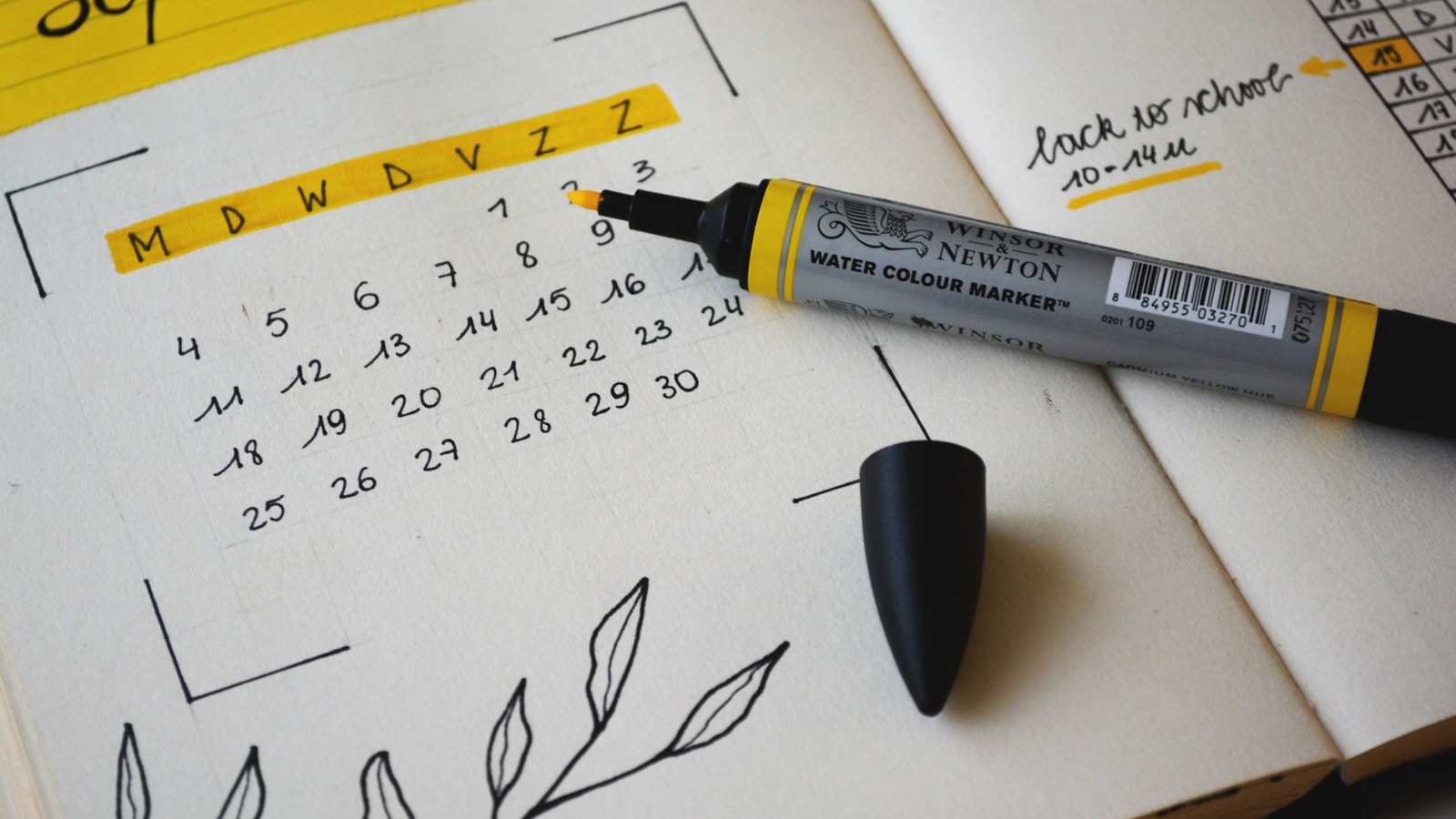
The idea was simple. I would divide my day into blocks of time, each with a single job. Work block. Kid block. Meal block. The famous deep work block. I bought colored pens. I drew a grid on a piece of paper. I even gave each block a name that made it sound important, like Focus Sprint and Connection Time. My husband saw it on the fridge and asked if I was planning a military operation. I told him it was self-care. He nodded and walked away.
Monday Block One: The Dream Dies Fast
My first work block was scheduled for nine to eleven on Monday morning. The kids were supposed to be at school and daycare by then. I had ninety whole minutes to write. I sat down at eight fifty-five with coffee that was still hot. At nine oh three, my phone buzzed. The school nurse. One of my kids had a low-grade fever and needed to be picked up. I looked at my color-coded calendar. The blue block for Deep Work stared back at me like it was mocking me.
I did not get that block back. I did not get any of the blocks back that day. By noon I had driven to school, called the pediatrician, argued with insurance, and eaten a granola bar over the sink. The calendar was a fantasy by two in the afternoon. I almost threw it in the trash. But something stopped me. I realized the problem was not the blocks themselves. It was my belief that the blocks had to stay perfect.
What I Changed After the First Week
By Wednesday I stopped treating my calendar like a contract and started treating it like a suggestion with structure. I left empty space between blocks, not because I am wise, but because I learned the hard way. Transition time is real. Getting a toddler out the door takes longer than the laws of physics suggest. Packing lunch while answering an email while looking for a lost shoe is not multitasking. It is chaos with good intentions.
I also stopped color-coding my emotions. At first I had a color for everything. Green for work. Pink for kids. Yellow for exercise. It looked pretty for about two days, then it became a chore to maintain. Now I use one color for work blocks and everything else is just life. It is not as photogenic, but it is honest. And honestly, most of my blocks are interrupted by something I did not plan for. That is the reality of time blocking when you are a mom. The system has to bend, or it breaks you.
I picked up a useful habit from something I read on this site a while back about tracking focused work time. The author only managed ninety minutes of real focus a day, and she decided that was enough. That idea freed me. I stopped aiming for four-hour work blocks. Now my work blocks are sixty to ninety minutes, and if I get two of those in a day, I call it a win. Some days I get one. Some days I get zero, and I try not to turn that into a character flaw.
The Three Rules That Actually Stuck
1. One priority block per day. I do not try to fit six important things into one afternoon. I pick one block that matters most. If that block happens, the day is a success. Everything else is bonus. This sounds like lowering the bar, and maybe it is. But it also means I finish something important more often than I used to.
2. The buffer block is non-negotiable. I leave at least one thirty-minute gap with no label. It catches overflow from the previous block, unexpected kid drama, or the twenty minutes I spend looking for my glasses. Without it, the whole day collapses like dominoes. With it, I have breathing room.
3. Evening blocks are soft. I used to block out my entire evening with chores, prep, and personal growth. Now my evening block has one job. Help the household land gently into bedtime. Sometimes that means folding laundry. Sometimes that means sitting on the couch with my partner and pretending we are not too tired to talk. I do not force productivity after seven. I tried, and it made me resent the system.
The Apps and Tools I Tried and Ditched
I downloaded three productivity apps in the first two weeks. One had so many features that setting it up took longer than the tasks I was trying to schedule. Another sent me notifications that felt like judgment. You have twelve unfinished blocks, it would say, like I needed a machine to tell me I was behind. I deleted all of them by week three.
Now I use a paper notebook and a simple digital calendar. The notebook is for daily blocks. The calendar is for appointments I cannot miss, like doctor visits and school events. I do not sync them. I do not automate anything. There is something about writing a block by hand that makes it feel more flexible. I can cross it out, move it, or ignore it without fighting an interface. This might not work for everyone. It works for me because my phone is a portal to distraction, and I do not need another app competing for my attention.
What Time Blocking Actually Changed
It did not give me more time. That is the truth nobody wants to say. I still have the same twenty-four hours. What changed is how I think about them. Before blocks, my day was a blob of obligations. After blocks, I see pieces. Some pieces are mine. Some pieces belong to my kids. Some pieces are just maintenance, keeping the house from falling apart. When I name the pieces, I stop expecting them to be something else.
I also stopped apologizing for short workdays. There was a time when I would tell people I worked from home and feel the need to justify it with long hours. Now I know that a focused ninety-minute block can do more than a scattered four-hour afternoon. I learned that from my own schedule, and from the idea behind the good enough workday. Working less but with intention is not cheating. It is sustainable.
The biggest surprise was that time blocking made me more present with my kids, not less. When I know a work block is coming later, I do not feel guilty playing blocks on the floor now. The boundary is loose, but it exists. I am not half-working and half-parenting all day. I am doing one thing at a time, even if each thing gets less time than I wish it had.
What I Still Struggle With
I still have days where nothing goes according to plan. Sick kids, school closures, my own lack of sleep. The blocks do not fix those days. They just give me a map to return to when the chaos settles. Some mornings I look at my calendar and laugh because I know it will not happen. That laughter is new. It used to be guilt.
I also struggle with saying no. Time blocking only works if you protect the blocks. I am still bad at that. A friend texts, a meeting pops up, someone needs a favor. My blocks dissolve because I do not defend them. I am working on it. I am not there yet. Progress is slow and unglamorous, like most real change.
If You Want to Try This, Start Small
You do not need colored pens. You do not need an app. You need three blocks tomorrow. One for something you have to do. One for something you want to do. One empty space for whatever goes wrong. That is it. Build from there if it feels useful. Abandon it if it feels like another chore. The goal is not to become a productivity robot. The goal is to stop feeling like your day happens to you.
I still work with a laundry basket in the corner. I still forget why I walked into the kitchen. But on decent days, I know what block I am in. That small awareness makes the chaos feel a little more like a life I chose, and a little less like a life that chose me.
How Uhh can help
Uhh is our focus and app blocker for Android. It blocks the apps you choose, shows you how much time they were actually taking, and makes the distraction a little harder to reach — which is the part that works when willpower alone does not. It is on Google Play, and all of our apps are listed on the Apps & Products page.
Leave a Reply