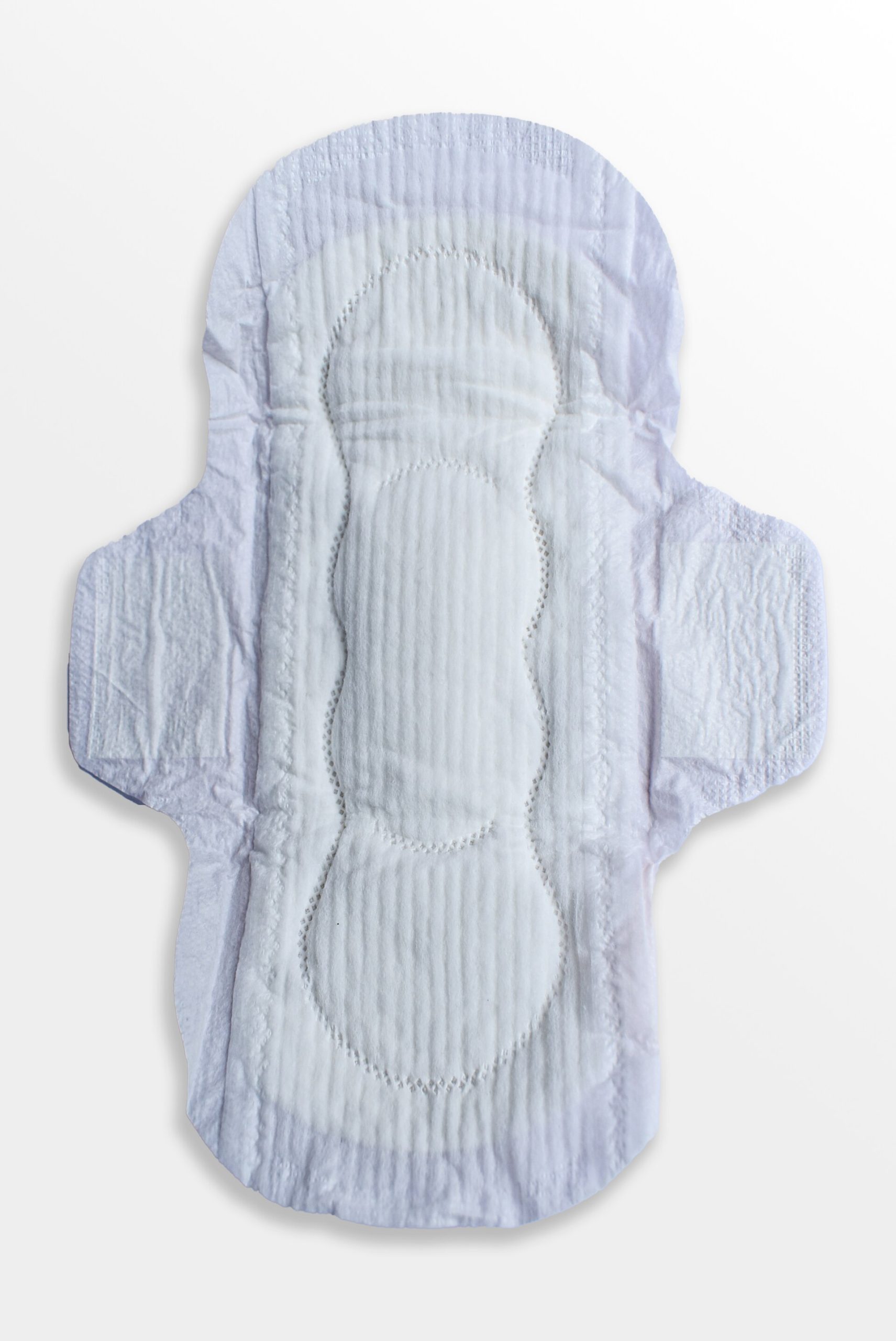
The pad aisle has a whole fragrance section now: rose, chamomile, aloe, “fresh cotton breeze.” The packets promise all-day freshness, as if a period were something to cover up rather than simply manage. It is a tempting promise on a heavy day, and millions of people buy it. The medical advice on scented pads, though, has pointed the other way for years, and the reason matters more than the smell.
Here is the part the packaging leaves out.
Key takeaways
- Scented pads add fragrance to an area that does not need it and can easily be irritated by it.
- The vulva and vagina are not meant to smell like flowers. A mild, individual smell is normal.
- Fragrance can cause allergic contact dermatitis, itching and soreness, and it can mask odor changes that might matter medically.
- Unscented pads, regular changing and plain water washing are the safer default for period hygiene.
- Strong or unusual odor, itching or discharge that changes suddenly is a reason to see a doctor, not to buy a scented product.
What “scented” pads actually are
A scented pad is a standard sanitary pad with added fragrance, usually a mix of synthetic perfume chemicals, sometimes with botanical extracts like chamomile or aloe. The fragrance serves one purpose: marketing. It does not make the pad more absorbent, more hygienic or safer. In some products the scent is added to mask the smell of the materials themselves or to create an impression of cleanliness that has nothing to do with how the pad performs.
Why scented pads can irritate
The skin around the vulva is more sensitive than most skin on your body, and it sits in a warm, moist environment where fragrance chemicals can linger for hours. Perfume ingredients are among the most common causes of allergic contact dermatitis, and when they sit against sensitive skin all day, the result can be redness, itching, burning or soreness that has nothing to do with infection.
The NHS points out that the vagina cleans itself with natural discharge, and most soaps, perfumes and hygiene products do more harm than good when used inside or on the area. Fragranced pads sit right in that category: they are not cleaning anything, and they add an irritant where the body already has a careful balance.
There is another, quieter problem. Odor can be a useful signal. A sudden strong or fishy smell, or a smell that follows an unusual discharge, can point to an infection such as bacterial vaginosis or trichomoniasis. When a scented pad masks that smell for a few hours, it can delay the moment you notice something changed. ACOG’s guidance on vaginitis is blunt about this: abnormal discharge or odor deserves a medical visit, not perfume.
Myth vs fact: the freshness claims
- Myth: Scented pads keep you “fresh” and prevent odor.
- Fact: They only cover smell temporarily. True freshness comes from changing pads regularly, washing with plain water and letting the area breathe.
- Myth: If a pad is scented with chamomile or aloe, it must be soothing.
- Fact: Botanical names in the ingredient list are still fragrance and still carry allergen risk, especially on already irritated skin.
- Myth: A scented pad is more hygienic than an unscented one.
- Fact: Hygiene depends on absorbency, how often you change the pad and how you wash, not on perfume.
- Myth: Fragrance is only a problem for people with allergies.
- Fact: Anyone can develop irritation over time. Sensitive skin is common, and it often shows up only after repeated exposure.
Safer period hygiene habits
- Choose unscented pads, ideally with a cotton or breathable top layer. Your skin will thank you.
- Change pads every 4 to 6 hours during the day, and always after heavy flow, regardless of scent.
- Wash the outer area with plain water and your fingers, once a day is enough. Skip soap inside, and skip douching completely.
- Avoid perfumed wipes, sprays and powders around the vulva for the same reason you would skip a scented pad.
- Wear breathable underwear and change out of wet clothes, including swimwear, promptly.
- If you want to track symptoms and spot patterns in discharge, cramps and mood, a period tracker can help you notice changes early.
When to see a doctor
See a doctor if you notice a strong or unusual vaginal odor, especially a fishy one, if discharge changes color or texture, if there is persistent itching, burning or soreness, or if irritation from a product does not settle within a few days of switching to unscented options. The NHS notes that a change in discharge can also be a sign of thrush or other infections, and treating the right cause matters more than covering the symptom.
How Lail can help
Lail is a private period and cycle tracker for people who want to understand their bodies without handing over their data. Log your period days, flow, symptoms and mood, and Lail learns your cycle to predict what comes next. Over a few cycles you can see your own patterns, which makes it much easier to notice when something is genuinely different and worth mentioning to a doctor. Everything stays on your phone: no account, no login, no cloud upload.
Download Lail from Google Play or visit lailapp.nayabisa.com. For more myth-busting reads, see whether soda can affect your period, and browse our cycle and fertility guides.
FAQ
Are scented pads safe for teenagers?
They are not recommended for anyone, and younger skin tends to be even more sensitive. Unscented pads are the safer choice for a first period too.
Do scented pads cause infections?
They are not proven to cause infections directly, but fragrance can irritate and inflame skin, which can make it easier for problems to start, and it can hide odor changes that signal an infection. That combination is reason enough to skip them.
Can I use scented panty liners every day?
Daily use is exactly where irritation tends to build up. If you wear a panty liner every day, choose unscented ones and change them often.
What about scented tampons or wipes?
Avoid fragrance in anything that touches the area, tampons included. If you use tampons, change them regularly, and never leave one in longer than the package advises.
Scented pads caused a rash for me. What should I do now?
Stop using them immediately and switch to unscented pads while the area settles. Wash gently with plain water, avoid soap, tight clothing and scratching, and give it a few days. If the irritation spreads, weeps or does not improve, see a doctor rather than layering on creams you are not sure about.
Disclaimer
This article is for educational purposes only and is not medical advice. Bodies and sensitivities differ. If you have persistent irritation, unusual odor or discharge, or any concern about your health, please consult a qualified healthcare provider.
Sources
- NHS – Vaginal discharge: https://www.nhs.uk/conditions/vaginal-discharge/
- NHS – Vaginal thrush: https://www.nhs.uk/conditions/vaginal-thrush/
- ACOG – Vaginitis: https://www.acog.org/womens-health/faqs/vaginitis
Leave a Reply