Category: Cycle & Fertility

Period health, menstrual cycle phases, ovulation, PMS, body literacy and femtech privacy — companion content for the Lail period tracker.

  • How to Track Your Period Without Giving Away Your Data

    How to Track Your Period Without Giving Away Your Data

    Your phone already knows where you sleep, who you message, and what you buy. It does not have to know when you bleed. A private period tracker flips the usual design: the calendar and the predictions live on your phone, and nothing leaves unless you decide it should. Before you trust an app with something this personal, know what cycle data can reveal, where it usually ends up, and which design choices keep it yours.

    None of this needs to sound paranoid. The NHS actually recommends using an app or a diary to track periods, so you can notice when they become irregular. Tracking is genuinely useful. The trick is to get the useful part without the part that quietly turns your body into a data file.

    Key takeaways

    • Most period apps ask for an account and sync your cycle to company servers, where it can be shared with advertisers or analytics firms.
    • A few months of logged dates and symptoms add up to a detailed health picture, which is exactly why regulators treat this data as sensitive.
    • A private period tracker stores data on your device, works without an account, and has nothing to sell because it collects nothing extra.
    • Paper and offline notes remain the most private option of all, and they still count as tracking.
    • The payoff of tracking is noticing change: periods with gaps shorter than 21 days or longer than 35, or a pattern that shifts on you, are worth raising with a doctor.

    What your cycle data can reveal

    On its own, a period date sounds dull. Add a few months of them plus the symptoms most apps prompt you to log, and the file starts telling a story: when you are likely to be fertile, whether your cycles run on time, even whether a pregnancy might be on the way. Notes about sleep, weight, or medication make it one of the most personal documents you own.

    Health data is legally sensitive in many countries for this exact reason. The damage from a leak is real: it can shape decisions about insurance or employment, or follow you around in the hands of data brokers you have never heard of.

    Why many period apps are not private by default

    Here is the uncomfortable part. Most popular trackers are free, and free apps usually pay for themselves with advertising. The standard setup is an email account, a server somewhere, and analytics kits that report back on how you use the app. Your cycle data becomes part of how the app pays its bills.

    This is not a theoretical worry. In 2021 the US Federal Trade Commission settled allegations that Flo Health, maker of a popular fertility-tracking app, shared sensitive health data with Facebook, Google and other outside providers after promising users the information would be kept private. Under the settlement, Flo had to get users’ consent before sharing that data again and had to complete an independent privacy audit.

    None of this means every tracker is spying on you. It does mean that promises in a privacy policy matter less than architecture: where your data physically lives, and who can reach it without asking you first.

    What to look for in a private period tracker

    When you compare apps, run them against this checklist.

    • No account required. If the app demands an email or social login before you can log a single period, your data is tied to an identity and stored on the company’s servers.
    • Local storage by default. Your history lives in the app on your device, not in a cloud you never chose.
    • Encryption at rest. A database that is encrypted on the phone, with the key protected by the device itself, stays unreadable if the phone is lost or stolen.
    • No advertising or analytics kits. Third-party trackers inside the app are how data leaks sideways to ad networks.
    • Cloud backups switched off. Some apps quietly push copies to Google Drive or iCloud, which puts your cycle in places you forgot about.
    • A lock option. A PIN or fingerprint gate keeps curious people out of the app even if they get hold of your phone.
    • A privacy policy that names what leaves the device and why. If the policy is vague, that is your answer.

    One honest caveat: features that personalize recommendations sometimes need to send a little data to the maker’s server over an encrypted connection. That is a different thing from uploading your full history. Ask which of the two the app does, and read the fine print until you know.

    Private ways to track, with or without an app

    An app is not the only option, and it is not the most private one. A paper calendar or a small notebook costs nothing, cannot be hacked, and never phones home. The downside is that it stays dumb: no predictions, no reminders, and spotting a pattern across several months means flipping pages. For many people that trade is fine, and it is a legitimate choice.

    Between paper and a full app there is a middle path. A notes file on your phone, with cloud sync switched off, behaves like paper with search. The more useful option for most people is an offline-first tracker that runs fully in airplane mode. That test is the fastest way to tell a real private period tracker from one that quietly depends on a server: if it still works and remembers your entries with no connection, your data lives on your device, not on someone else’s machine.

    Whatever you choose, practice basic hygiene: review the permissions you grant, deny anything unrelated to periods, keep the phone locked, and delete both the account and local data when you stop using an app.

    When to see a doctor

    Tracking earns its keep when it alerts you to change. The NHS notes that irregular periods, gaps shorter than 21 days or longer than 35, are usually not a sign of a problem. It still advises speaking to a doctor if your periods are irregular, if your usual pattern changes, or if a period lasts longer than 7 days.

    Bleeding between periods, or irregular periods paired with weight gain, tiredness, facial hair growth, or dry and oily skin, is also worth a visit, as is difficulty getting pregnant alongside an irregular cycle. And because a missed period can be an early sign of pregnancy, a suddenly late period after a reliably regular history deserves a check too.

    How Lail can help

    Lail is a private period tracker for Android built around one rule: your cycle stays on your phone. There is no account, no email signup, and no cloud backup. Log the start of your period, flow intensity, and duration, and Lail predicts what comes next from your own history, with visual indicators for your estimated fertile window. The database is encrypted on the device, you can lock the app with a PIN or fingerprint, and a low-cost Premium tier removes ads and adds PDF export if you want to share a summary with a clinician.

    Download Lail from Google Play or visit lailapp.nayabisa.com. For more on living with your cycle, see what to eat in each phase of your period, and browse our cycle and fertility guides.

    FAQ

    Do free period apps sell your data?

    Many free apps are built on advertising, and advertising usually means some form of sharing with ad networks. That is not the same as a cash sale, but the effect on your privacy is similar. An app with no account, no ad kits, and local storage has nothing to hand over in the first place.

    Is a paper calendar more private than an app?

    Yes. Paper sits in a drawer and answers to no one, which is more than any app can claim. A well-built offline tracker can match that privacy and still add predictions and reminders.

    How can I tell what data a period app collects?

    Read the privacy policy with the checklist above in hand: account required, where data is stored, which third-party kits are embedded, what is shared and with whom, and how you delete it. Vague language is a red flag.

    Can someone else see my period data?

    If the data sits only on your phone, behind encryption and a lock, then no one gets it without your device. If it sits on a company server, your privacy is only as strong as that company’s security and its promises.

    I want to switch apps. What do I do with my old data?

    Delete the account in the old app first, then clear the app’s data on your phone. If you want to keep the history, export it before you delete, and store the file somewhere only you control.

    Disclaimer

    This article is for educational purposes only and is not medical advice. Period tracking apps are planning tools, not diagnostic devices. If your cycles change, cause you pain, or worry you for any reason, please consult a qualified healthcare provider.

    Sources

  • Scented Pads: Why Fragrance Is Not Recommended

    Scented Pads: Why Fragrance Is Not Recommended

    The pad aisle has a whole fragrance section now: rose, chamomile, aloe, “fresh cotton breeze.” The packets promise all-day freshness, as if a period were something to cover up rather than simply manage. It is a tempting promise on a heavy day, and millions of people buy it. The medical advice on scented pads, though, has pointed the other way for years, and the reason matters more than the smell.

    Here is the part the packaging leaves out.

    Key takeaways

    • Scented pads add fragrance to an area that does not need it and can easily be irritated by it.
    • The vulva and vagina are not meant to smell like flowers. A mild, individual smell is normal.
    • Fragrance can cause allergic contact dermatitis, itching and soreness, and it can mask odor changes that might matter medically.
    • Unscented pads, regular changing and plain water washing are the safer default for period hygiene.
    • Strong or unusual odor, itching or discharge that changes suddenly is a reason to see a doctor, not to buy a scented product.

    What “scented” pads actually are

    A scented pad is a standard sanitary pad with added fragrance, usually a mix of synthetic perfume chemicals, sometimes with botanical extracts like chamomile or aloe. The fragrance serves one purpose: marketing. It does not make the pad more absorbent, more hygienic or safer. In some products the scent is added to mask the smell of the materials themselves or to create an impression of cleanliness that has nothing to do with how the pad performs.

    Why scented pads can irritate

    The skin around the vulva is more sensitive than most skin on your body, and it sits in a warm, moist environment where fragrance chemicals can linger for hours. Perfume ingredients are among the most common causes of allergic contact dermatitis, and when they sit against sensitive skin all day, the result can be redness, itching, burning or soreness that has nothing to do with infection.

    The NHS points out that the vagina cleans itself with natural discharge, and most soaps, perfumes and hygiene products do more harm than good when used inside or on the area. Fragranced pads sit right in that category: they are not cleaning anything, and they add an irritant where the body already has a careful balance.

    There is another, quieter problem. Odor can be a useful signal. A sudden strong or fishy smell, or a smell that follows an unusual discharge, can point to an infection such as bacterial vaginosis or trichomoniasis. When a scented pad masks that smell for a few hours, it can delay the moment you notice something changed. ACOG’s guidance on vaginitis is blunt about this: abnormal discharge or odor deserves a medical visit, not perfume.

    Myth vs fact: the freshness claims

    • Myth: Scented pads keep you “fresh” and prevent odor.
    • Fact: They only cover smell temporarily. True freshness comes from changing pads regularly, washing with plain water and letting the area breathe.
    • Myth: If a pad is scented with chamomile or aloe, it must be soothing.
    • Fact: Botanical names in the ingredient list are still fragrance and still carry allergen risk, especially on already irritated skin.
    • Myth: A scented pad is more hygienic than an unscented one.
    • Fact: Hygiene depends on absorbency, how often you change the pad and how you wash, not on perfume.
    • Myth: Fragrance is only a problem for people with allergies.
    • Fact: Anyone can develop irritation over time. Sensitive skin is common, and it often shows up only after repeated exposure.

    Safer period hygiene habits

    • Choose unscented pads, ideally with a cotton or breathable top layer. Your skin will thank you.
    • Change pads every 4 to 6 hours during the day, and always after heavy flow, regardless of scent.
    • Wash the outer area with plain water and your fingers, once a day is enough. Skip soap inside, and skip douching completely.
    • Avoid perfumed wipes, sprays and powders around the vulva for the same reason you would skip a scented pad.
    • Wear breathable underwear and change out of wet clothes, including swimwear, promptly.
    • If you want to track symptoms and spot patterns in discharge, cramps and mood, a period tracker can help you notice changes early.

    When to see a doctor

    See a doctor if you notice a strong or unusual vaginal odor, especially a fishy one, if discharge changes color or texture, if there is persistent itching, burning or soreness, or if irritation from a product does not settle within a few days of switching to unscented options. The NHS notes that a change in discharge can also be a sign of thrush or other infections, and treating the right cause matters more than covering the symptom.

    How Lail can help

    Lail is a private period and cycle tracker for people who want to understand their bodies without handing over their data. Log your period days, flow, symptoms and mood, and Lail learns your cycle to predict what comes next. Over a few cycles you can see your own patterns, which makes it much easier to notice when something is genuinely different and worth mentioning to a doctor. Everything stays on your phone: no account, no login, no cloud upload.

    Download Lail from Google Play or visit lailapp.nayabisa.com. For more myth-busting reads, see whether soda can affect your period, and browse our cycle and fertility guides.

    FAQ

    Are scented pads safe for teenagers?

    They are not recommended for anyone, and younger skin tends to be even more sensitive. Unscented pads are the safer choice for a first period too.

    Do scented pads cause infections?

    They are not proven to cause infections directly, but fragrance can irritate and inflame skin, which can make it easier for problems to start, and it can hide odor changes that signal an infection. That combination is reason enough to skip them.

    Can I use scented panty liners every day?

    Daily use is exactly where irritation tends to build up. If you use liners daily, choose unscented ones and change them often.

    What about scented tampons or wipes?

    Avoid fragrance in anything that touches the area, tampons included. If you use tampons, change them regularly, and never leave one in longer than the package advises.

    Scented pads caused a rash for me. What should I do now?

    Stop using them immediately and switch to unscented pads while the area settles. Wash gently with plain water, avoid soap, tight clothing and scratching, and give it a few days. If the irritation spreads, weeps or does not improve, see a doctor rather than layering on creams you are not sure about.

    Disclaimer

    This article is for educational purposes only and is not medical advice. Bodies and sensitivities differ. If you have persistent irritation, unusual odor or discharge, or any concern about your health, please consult a qualified healthcare provider.

    Sources

    • NHS – Vaginal discharge: https://www.nhs.uk/conditions/vaginal-discharge/
    • NHS – Vaginal thrush: https://www.nhs.uk/conditions/vaginal-thrush/
    • ACOG – Vaginitis: https://www.acog.org/womens-health/faqs/vaginitis
  • Can Soda Affect Your Period? Myth vs Fact

    Can Soda Affect Your Period? Myth vs Fact

    It starts as a harmless video: someone tilts a can of soda toward the camera and promises that drinking it will “clean out” your period and make it end faster. The comments fill up fast, half of them relieved, half of them skeptical. By the time the clip reaches your feed, it has been shared enough times that it starts to feel like received wisdom. Most people typing “can soda affect your period” into a search bar are really asking whether a fizzy drink can rush things along, and they deserve a straight answer.

    The straight answer is no. Because this myth touches something as personal as your period, it deserves a proper explanation instead of a snappy caption.

    Key takeaways

    • No credible medical evidence shows that soda, cold drinks or carbonated beverages can end a period early or shorten bleeding.
    • Menstrual bleeding ends when your uterine lining has been shed and hormone signals settle, not because of anything you drink.
    • A regular cycle can last 24 to 38 days, and menstrual bleeding itself usually lasts 2 to 7 days, so comparing your length to a friend’s tells you little.
    • Sugar and caffeine can affect cramps and energy for some people, but that is not the same as changing when bleeding stops.
    • If your period suddenly becomes much shorter, lighter or stops altogether, the explanation is usually hormonal, not dietary, and it deserves a medical check-up.

    Where the soda rumor comes from

    The idea appears in many variations around the world. Some versions claim carbonation “flushes” the uterus. Others say cold drinks “shock” the body into shedding faster, or that the sugar rush speeds everything along. None of these mechanisms exist in physiology. Your uterus is not a pipe that fizzy liquid can rinse out, and your stomach and reproductive system are entirely separate pathways.

    The rumor probably survives because periods are unpredictable enough that any drink, tea, food or stretch you tried around the same time can look like the cause. That is a coincidence trap, not evidence.

    Can soda affect your period? What the evidence says

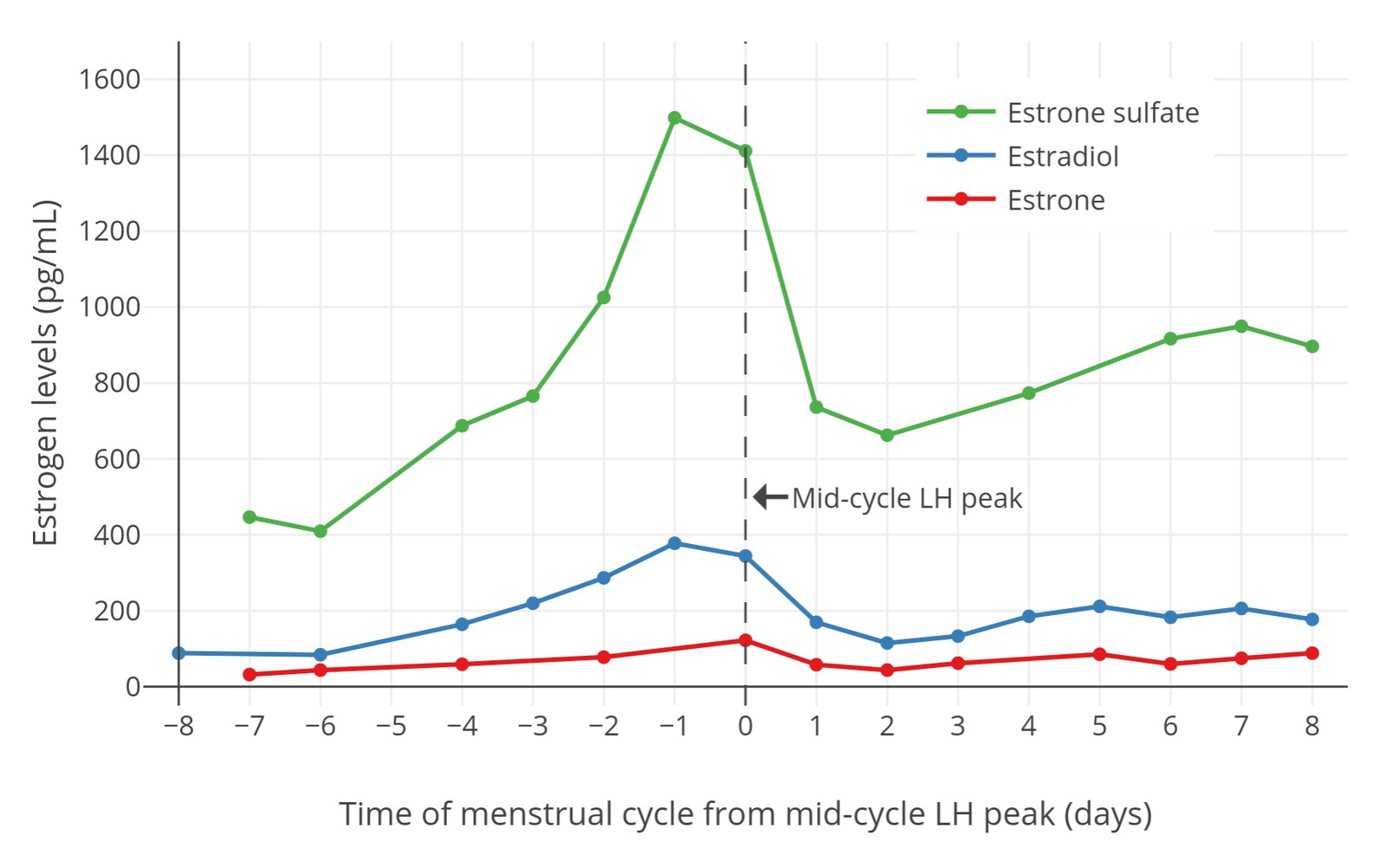
    The honest answer is no, not in the way the videos claim. No study shows that carbonated drinks shorten menstrual flow. What the evidence does show is that your cycle length and bleeding days are governed by hormones, mainly estrogen and progesterone, and by the uterine lining they build and then release. A fizzy drink does not change that sequence.

    The US Office on Women’s Health describes a typical cycle as 24 to 38 days, with period bleeding lasting 2 to 7 days. Plenty of people fall outside that range and are perfectly healthy, and plenty of people inside it still worry needlessly because they compare themselves to a different “normal.” If your own pattern is stable, that is the number that matters.

    What actually ends a period

    Menstruation begins when hormone levels drop and the built-up uterine lining sheds. Bleeding continues while the lining comes away and the uterus contracts to help expel it, which is why prostaglandins, the chemicals behind cramps, peak during the first days. Once the lining is gone and clotting and repair take over, the flow tapers and stops. That whole process takes as long as it takes, usually several days, and it is driven from the inside.

    You can influence comfort around your period with heat, rest, movement and good food, but you cannot command the lining to exit on a schedule. Anyone claiming a drink, herb or exercise “makes your period finish in one day” is describing a hope, not a mechanism.

    Sugar, caffeine and cramps: the small asterisk

    There is one grain of truth buried in the myth, and it is about comfort rather than timing. For some people, large amounts of caffeine can make anxiety, irritability and sleep worse, which can make cramps feel more intense even if the bleeding itself is unchanged. Very sugary drinks can spike your energy and then drop it, leaving you more tired during a phase when your body is already working hard.

    So the practical advice is boring but real: stay hydrated, keep caffeine moderate, eat regularly. If a soda genuinely makes you feel worse during your period, skip it for your own comfort. Just do not expect it, or any other drink, to rewrite your menstrual calendar.

    When a “weird period” deserves a doctor

    Watch for real changes rather than a one-off short cycle. See a doctor if your periods stop for several months and you are not pregnant, if bleeding becomes suddenly much heavier or much lighter than your usual pattern, if cycles swing wildly outside 24 to 38 days, or if pain stops you from functioning. These signs point to hormonal or medical causes worth investigating, and they are far more informative than anything a soda can or cannot do.

    How Lail can help

    Lail is a private period and cycle tracker built around the idea that your body is the expert and your data stays yours. It learns your cycle length, predicts your next period and shows which phase you are in today, so you can see your own normal instead of someone else’s. You can log symptoms, mood and flow, which makes it easy to spot a genuine change and describe it clearly to a doctor. Everything stays on your phone: no account, no login, no cloud upload.

    Download Lail from Google Play or visit lailapp.nayabisa.com. For more myth-busting, browse our cycle and fertility guides.

    FAQ

    Can soda affect your period length?

    No. Carbonated drinks do not change the hormone signals that control how long your uterine lining takes to shed. Length is set by your cycle, not your glass.

    Do cold drinks delay your period?

    No. Temperature of drinks has no effect on when menstruation starts or stops. Your uterus sits deep in your pelvis, well protected from anything you swallow.

    Does caffeine make periods worse?

    For some people, heavy caffeine can amplify anxiety, irritability and sleep problems, which can make cramps feel stronger. It does not change when bleeding ends.

    When should I worry about a short or light period?

    A one-off shorter period is usually nothing. Talk to a doctor if the change lasts several cycles, if you have missed periods without pregnancy, or if bleeding suddenly becomes much heavier or more painful than your norm.

    Does an energy drink or diet soda count as the same thing?

    Yes, for the purposes of this myth. Carbonation, sugar substitutes and caffeine do not change the hormonal sequence that ends a period. What you drink can affect how you feel, not when you stop bleeding.

    Can soda affect your period if you drink it every day?

    No. Frequency does not matter here, because there is no mechanism for the drink to reach your uterus in the first place. If you drink a lot of soda and also notice cycle changes, the more useful question is what else changed, from stress to weight to medication.

    Disclaimer

    This article is for educational purposes only and is not medical advice. Menstrual cycles vary widely from person to person. If you are worried about a change in your period, please consult a qualified healthcare provider.

    Sources

    • US Office on Women’s Health – Your menstrual cycle: https://www.womenshealth.gov/menstrual-cycle/your-menstrual-cycle
    • NHS – Periods: https://www.nhs.uk/conditions/periods/
    • ACOG – Period problems: https://www.acog.org/womens-health/faqs/period-problems
  • What to Eat on Your Period, Phase by Phase

    What to Eat on Your Period, Phase by Phase

    Somewhere in the second half of your cycle, the fridge stops helping. You stand there, door open, craving chocolate and quietly resenting the vegetables. Then your period lands and the rules seem to change again, which is when most people start typing “what to eat on your period” into a search bar. The honest answer is shorter than the internet makes it: a few evidence-backed food switches, timed to where you are in your cycle, beat any all-purpose listicle.

    Key takeaways

    • Your period is when iron matters most: adult women need about 18 mg of iron per day — more than double the 8 mg recommended for men — largely because of monthly blood loss (Harvard T.H. Chan School of Public Health).
    • A “regular” cycle is not a strict 28 days: anything from 24 to 38 days counts as regular (US Office on Women’s Health).
    • Cutting back on caffeine, salt and sugar in the two weeks before your period may lessen many PMS symptoms (US Office on Women’s Health).
    • Among supplements studied for PMS, calcium has the most consistent evidence; vitamin B6 may also help, while results for magnesium are mixed. Food first — ask a doctor before supplementing.
    • Food supports your cycle, but it is not a treatment. Heavy bleeding, severe PMS or a suddenly changed cycle warrant a medical check-up.

    What to eat on your period: start here

    Short version: while you bleed, prioritise iron paired with vitamin C and keep meals regular. In the two weeks before your period, ease off salt, sugar and caffeine, which is the change most likely to soften PMS. What to eat on your period, in practical terms, comes down to a handful of choices; the sections below walk through each phase so you know why, not just what.

    Your cycle in four phases: a quick map

    Your menstrual cycle is counted from the first day of one period to the first day of the next. A 28-day cycle is typical, but every body is different, and periods are still considered regular if they arrive every 24 to 38 days (US Office on Women’s Health). The table below uses a textbook 28-day cycle, so treat the day ranges as rough guides.

    Phase Typical timing What is happening Food focus
    Menstrual Days 1–5 The uterine lining sheds; you lose blood and iron Iron-rich foods + vitamin C
    Follicular Roughly days 6–13 Estrogen rises, energy climbs, the lining rebuilds Protein, fibre, vegetables
    Ovulation Around day 14 The ovary releases an egg Fresh, anti-inflammatory foods
    Luteal Roughly days 15–28 Progesterone rises; PMS symptoms can appear Complex carbs, calcium, magnesium

    Menstrual phase (days 1–5): replace the iron you lose

    When it comes to what to eat on your period, the most science-backed priority is iron. Iron deficiency is the most common nutritional deficiency worldwide, and women who menstruate are among those at highest risk — hence the 18 mg daily recommendation for women aged 19–50 versus 8 mg for men (Harvard T.H. Chan School of Public Health).

    The NHS recommends iron-rich foods such as dark-green leafy vegetables (watercress, curly kale), meat, pulses (beans, peas, lentils), dried fruit (apricots, prunes, raisins), and bread or cereals with added iron.

    Iron type matters too. Iron from meat (heme iron) is absorbed well, while iron from plants (non-heme iron) is absorbed better when eaten with vitamin C or alongside heme iron (Harvard T.H. Chan School of Public Health). So pair lentil soup with berries or lemon, and add peppers or tomatoes to bean dishes. Meanwhile, tea, coffee, large amounts of dairy, and wholegrains high in phytic acid can slow iron absorption — so keep them between meals rather than with your iron-rich plate (NHS).

    If your bleeding is heavy, food alone may not be enough — see the “When to see a doctor” section below.

    Follicular phase (days ~6–13): steady energy as estrogen rises

    Once your period ends, energy often returns as estrogen climbs. There is no special “follicular superfood” — this phase is a good time to settle back into balanced meals: a palm-size portion of protein (eggs, fish, chicken, tofu or beans), plenty of vegetables or fruit, and fibre from whole grains, oats or legumes. Keep pairing plant iron with vitamin C to restock the stores you just used.

    Ovulation (around day 14): fresh and anti-inflammatory

    Ovulation is when the ovary releases an egg — one that survives only 12 to 24 hours (US Office on Women’s Health). There is little research on a special “ovulation diet,” so keep it simple: light, anti-inflammatory choices such as oily fish, nuts, berries and leafy greens, plus plenty of water.

    Luteal phase (days ~15–28): calm cravings and PMS with the right picks

    This is where food choices can help the most. PMS symptoms — bloating, headaches, moodiness, cravings — typically begin a week or two before your period, and more than 9 in 10 women report at least some of them (US Office on Women’s Health). The most useful rule from the same source: avoiding foods and drinks with caffeine, salt and sugar in the two weeks before your period may lessen many PMS symptoms. Salt encourages bloating and water retention; sugary foods spike and crash your energy; caffeine can worsen irritability and sleep. You do not need to be perfect — but cutting back in that fortnight is one of the most evidence-aligned changes you can make.

    When cravings hit, they are normal. Reach first for filling complex carbohydrates such as oats, brown rice, sweet potato, wholegrain bread or legumes, which digest slowly and keep blood sugar steady — and keep meals regular so you are less tempted to graze on sugar.

    Three nutrients stand out (US Office on Women’s Health):

    • Calcium — studies suggest it can reduce PMS symptoms such as fatigue, cravings and low mood. Sources: milk, yogurt, cheese, calcium-fortified orange juice or cereals.
    • Vitamin B6 — may help with moodiness, irritability, bloating and anxiety. Found in fish, poultry, potatoes and fortified cereals.
    • Magnesium — research results are mixed, but it may help some women, including those with menstrual migraines. Found in spinach, nuts and whole grains.

    Get these from food first, and talk to a doctor before taking supplements — they are not regulated like medicines (US Office on Women’s Health).

    Foods to limit across the month (not a ban list)

    • Tea and coffee with iron-rich meals can reduce iron absorption — save them for between meals.
    • Salt, sugar and caffeine in the two weeks before your period, when they are most likely to worsen bloating, cravings and mood.
    • Nothing needs to be banned. Consistency across the month beats perfection in any single phase.

    When to see a doctor

    Food choices can support your cycle, but some symptoms need medical advice:

    • Heavy bleeding. See a GP if you need to change your pad or tampon every 1 to 2 hours, your period lasts more than 7 days, you pass clots larger than about 2.5 cm, you bleed through to clothes or bedding, or you often feel tired and short of breath (NHS). Heavy periods commonly cause iron deficiency anaemia, and a blood test can check your iron levels.
    • Possible anaemia. Persistent tiredness, lack of energy, breathlessness, heart palpitations, pale skin and headaches can all be signs of iron deficiency anaemia (NHS). Do not self-treat with high-dose iron — get tested first.
    • PMS that disrupts your life. If symptoms keep you from normal activities in the five days before your period for several cycles in a row, track them for a few months and share the pattern with a doctor. A small percentage of women have a severe form, PMDD, that needs proper treatment (US Office on Women’s Health).
    • A cycle that stops being regular. Periods that regularly fall outside 24–38 days, or a sudden change in your usual pattern, are worth raising with a doctor (US Office on Women’s Health).

    How Lail can help

    Lail is a private period and cycle tracker that puts this into practice. It learns your cycle length, predicts your next period, and shows you which phase you are in today. Its Wawasan (Insights) section offers food, activity and information suggestions matched to your current cycle phase — timed to where you actually are. You can also log symptoms, mood and weight to spot your own patterns over time. Lail keeps everything on your phone: no account, no login, no cloud upload. For more cycle science, browse our cycle and fertility guides. Download Lail from Google Play or visit lailapp.nayabisa.com.

    FAQ

    What should I eat during my period?

    Prioritise iron: leafy greens, meat, pulses, dried fruit and fortified cereals, paired with vitamin C. Keep tea and coffee away from iron-rich meals and stay hydrated.

    Can food make period cramps or PMS worse?

    The evidence is strongest for the premenstrual weeks: cutting back on caffeine, salt and sugar in the two weeks before your period may lessen many PMS symptoms such as bloating, moodiness and cravings (US Office on Women’s Health).

    Is calcium really helpful for PMS?

    Studies suggest yes — calcium appears to reduce PMS symptoms including fatigue, cravings and low mood. Milk, yogurt, cheese and fortified plant milks or juices are good food sources.

    Should I take iron supplements during my period?

    Only if a doctor recommends it. Iron deficiency is common in people who menstruate, but high-dose iron has side effects and can mask other problems — ask for a blood test first.

    Is a “cycle-syncing diet” backed by science?

    Partially. The strongest evidence supports eating more iron during your period and limiting salt, sugar and caffeine before it. Many specific phase-by-phase rules are popular but not yet well studied, so treat them as gentle guidance rather than a strict prescription.

    Disclaimer

    This article is for educational purposes only and is not medical advice. Menstrual cycles and nutritional needs vary from person to person. If you are concerned about heavy bleeding, severe PMS, possible anaemia, or any change in your cycle, please consult a qualified healthcare provider.

    Sources

    • NHS — Iron deficiency anaemia: https://www.nhs.uk/conditions/iron-deficiency-anaemia/
    • NHS — Heavy periods: https://www.nhs.uk/conditions/heavy-periods/
    • US Office on Women’s Health — Your menstrual cycle: https://www.womenshealth.gov/menstrual-cycle/your-menstrual-cycle
    • US Office on Women’s Health — Premenstrual syndrome (PMS): https://www.womenshealth.gov/menstrual-cycle/premenstrual-syndrome
    • Harvard T.H. Chan School of Public Health — Iron: https://www.hsph.harvard.edu/nutritionsource/iron/