Blog

  • Scented Pads: Why Fragrance Is Not Recommended

    Scented Pads: Why Fragrance Is Not Recommended

    The pad aisle has a whole fragrance section now: rose, chamomile, aloe, “fresh cotton breeze.” The packets promise all-day freshness, as if a period were something to cover up rather than simply manage. It is a tempting promise on a heavy day, and millions of people buy it. The medical advice on scented pads, though, has pointed the other way for years, and the reason matters more than the smell.

    Here is the part the packaging leaves out.

    Key takeaways

    • Scented pads add fragrance to an area that does not need it and can easily be irritated by it.
    • The vulva and vagina are not meant to smell like flowers. A mild, individual smell is normal.
    • Fragrance can cause allergic contact dermatitis, itching and soreness, and it can mask odor changes that might matter medically.
    • Unscented pads, regular changing and plain water washing are the safer default for period hygiene.
    • Strong or unusual odor, itching or discharge that changes suddenly is a reason to see a doctor, not to buy a scented product.

    What “scented” pads actually are

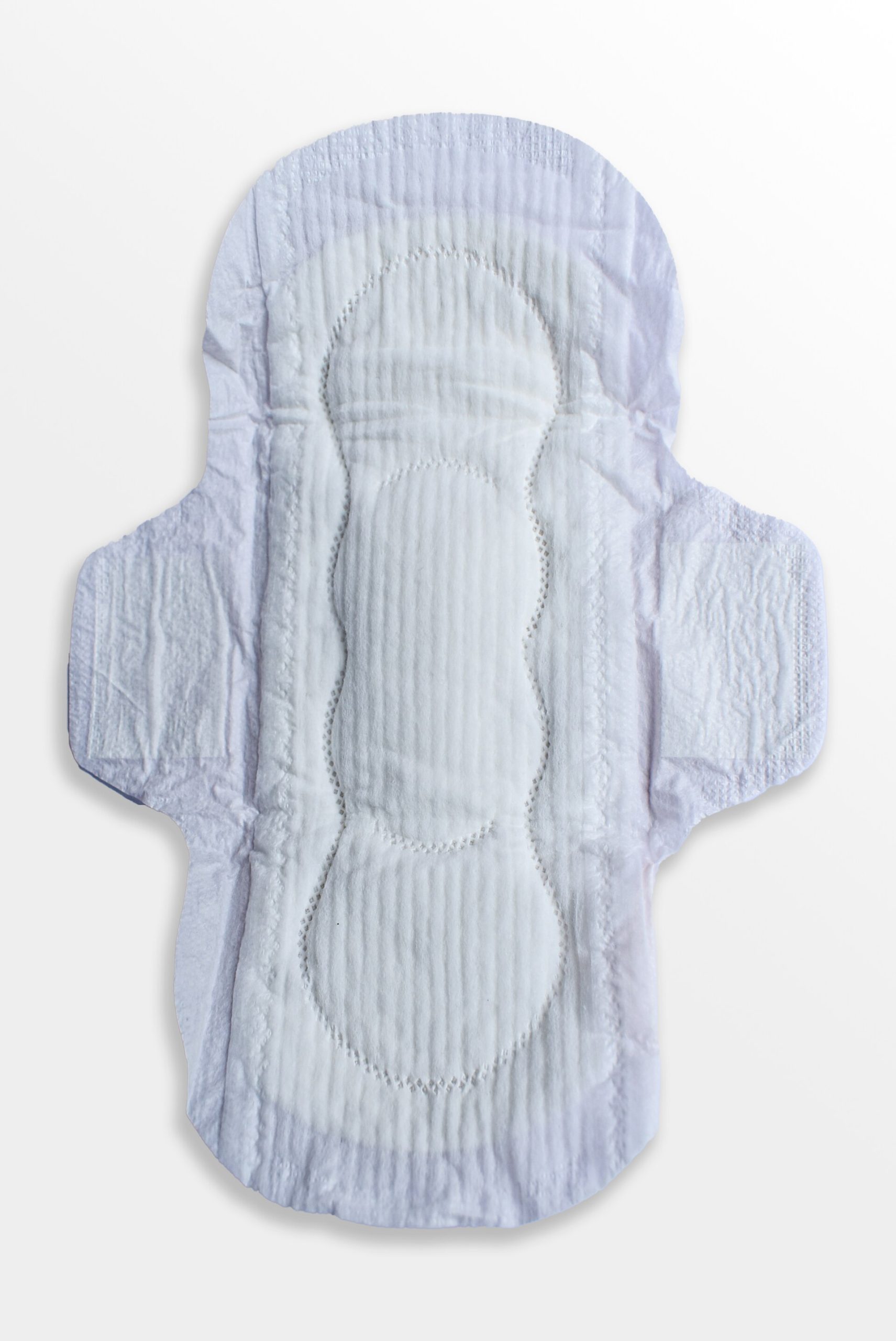
    A scented pad is a standard sanitary pad with added fragrance, usually a mix of synthetic perfume chemicals, sometimes with botanical extracts like chamomile or aloe. The fragrance serves one purpose: marketing. It does not make the pad more absorbent, more hygienic or safer. In some products the scent is added to mask the smell of the materials themselves or to create an impression of cleanliness that has nothing to do with how the pad performs.

    Why scented pads can irritate

    The skin around the vulva is more sensitive than most skin on your body, and it sits in a warm, moist environment where fragrance chemicals can linger for hours. Perfume ingredients are among the most common causes of allergic contact dermatitis, and when they sit against sensitive skin all day, the result can be redness, itching, burning or soreness that has nothing to do with infection.

    The NHS points out that the vagina cleans itself with natural discharge, and most soaps, perfumes and hygiene products do more harm than good when used inside or on the area. Fragranced pads sit right in that category: they are not cleaning anything, and they add an irritant where the body already has a careful balance.

    There is another, quieter problem. Odor can be a useful signal. A sudden strong or fishy smell, or a smell that follows an unusual discharge, can point to an infection such as bacterial vaginosis or trichomoniasis. When a scented pad masks that smell for a few hours, it can delay the moment you notice something changed. ACOG’s guidance on vaginitis is blunt about this: abnormal discharge or odor deserves a medical visit, not perfume.

    Myth vs fact: the freshness claims

    • Myth: Scented pads keep you “fresh” and prevent odor.
    • Fact: They only cover smell temporarily. True freshness comes from changing pads regularly, washing with plain water and letting the area breathe.
    • Myth: If a pad is scented with chamomile or aloe, it must be soothing.
    • Fact: Botanical names in the ingredient list are still fragrance and still carry allergen risk, especially on already irritated skin.
    • Myth: A scented pad is more hygienic than an unscented one.
    • Fact: Hygiene depends on absorbency, how often you change the pad and how you wash, not on perfume.
    • Myth: Fragrance is only a problem for people with allergies.
    • Fact: Anyone can develop irritation over time. Sensitive skin is common, and it often shows up only after repeated exposure.

    Safer period hygiene habits

    • Choose unscented pads, ideally with a cotton or breathable top layer. Your skin will thank you.
    • Change pads every 4 to 6 hours during the day, and always after heavy flow, regardless of scent.
    • Wash the outer area with plain water and your fingers, once a day is enough. Skip soap inside, and skip douching completely.
    • Avoid perfumed wipes, sprays and powders around the vulva for the same reason you would skip a scented pad.
    • Wear breathable underwear and change out of wet clothes, including swimwear, promptly.
    • If you want to track symptoms and spot patterns in discharge, cramps and mood, a period tracker can help you notice changes early.

    When to see a doctor

    See a doctor if you notice a strong or unusual vaginal odor, especially a fishy one, if discharge changes color or texture, if there is persistent itching, burning or soreness, or if irritation from a product does not settle within a few days of switching to unscented options. The NHS notes that a change in discharge can also be a sign of thrush or other infections, and treating the right cause matters more than covering the symptom.

    How Lail can help

    Lail is a private period and cycle tracker for people who want to understand their bodies without handing over their data. Log your period days, flow, symptoms and mood, and Lail learns your cycle to predict what comes next. Over a few cycles you can see your own patterns, which makes it much easier to notice when something is genuinely different and worth mentioning to a doctor. Everything stays on your phone: no account, no login, no cloud upload.

    Download Lail from Google Play or visit lailapp.nayabisa.com. For more myth-busting reads, see whether soda can affect your period, and browse our cycle and fertility guides.

    FAQ

    Are scented pads safe for teenagers?

    They are not recommended for anyone, and younger skin tends to be even more sensitive. Unscented pads are the safer choice for a first period too.

    Do scented pads cause infections?

    They are not proven to cause infections directly, but fragrance can irritate and inflame skin, which can make it easier for problems to start, and it can hide odor changes that signal an infection. That combination is reason enough to skip them.

    Can I use scented panty liners every day?

    Daily use is exactly where irritation tends to build up. If you wear a panty liner every day, choose unscented ones and change them often.

    What about scented tampons or wipes?

    Avoid fragrance in anything that touches the area, tampons included. If you use tampons, change them regularly, and never leave one in longer than the package advises.

    Scented pads caused a rash for me. What should I do now?

    Stop using them immediately and switch to unscented pads while the area settles. Wash gently with plain water, avoid soap, tight clothing and scratching, and give it a few days. If the irritation spreads, weeps or does not improve, see a doctor rather than layering on creams you are not sure about.

    Disclaimer

    This article is for educational purposes only and is not medical advice. Bodies and sensitivities differ. If you have persistent irritation, unusual odor or discharge, or any concern about your health, please consult a qualified healthcare provider.

    Sources

    • NHS – Vaginal discharge: https://www.nhs.uk/conditions/vaginal-discharge/
    • NHS – Vaginal thrush: https://www.nhs.uk/conditions/vaginal-thrush/
    • ACOG – Vaginitis: https://www.acog.org/womens-health/faqs/vaginitis

  • Can Soda Affect Your Period? Myth vs Fact

    Can Soda Affect Your Period? Myth vs Fact

    It starts as a harmless video: someone tilts a can of soda toward the camera and promises that drinking it will “clean out” your period and make it end faster. The comments fill up fast, half of them relieved, half of them skeptical. By the time the clip reaches your feed, it has been shared enough times that it starts to feel like received wisdom. Most people typing “can soda affect your period” into a search bar are really asking whether a fizzy drink can rush things along, and they deserve a straight answer.

    The straight answer is no. Because this myth touches something as personal as your period, it deserves a proper explanation instead of a snappy caption.

    Key takeaways

    • No credible medical evidence shows that soda, cold drinks or carbonated beverages can end a period early or shorten bleeding.
    • Menstrual bleeding ends when your uterine lining has been shed and hormone signals settle, not because of anything you drink.
    • A regular cycle can last 24 to 38 days, and menstrual bleeding itself usually lasts 2 to 7 days, so comparing your length to a friend’s tells you little.
    • Sugar and caffeine can affect cramps and energy for some people, but that is not the same as changing when bleeding stops.
    • If your period suddenly becomes much shorter, lighter or stops altogether, the explanation is usually hormonal, not dietary, and it deserves a medical check-up.

    Where the soda rumor comes from

    The idea appears in many variations around the world. Some versions claim carbonation “flushes” the uterus. Others say cold drinks “shock” the body into shedding faster, or that the sugar rush speeds everything along. None of these mechanisms exist in physiology. Your uterus is not a pipe that fizzy liquid can rinse out, and your stomach and reproductive system are entirely separate pathways.

    The rumor probably survives because periods are unpredictable enough that any drink, tea, food or stretch you tried around the same time can look like the cause. That is a coincidence trap, not evidence.

    Can soda affect your period? What the evidence says

    The honest answer is no, not in the way the videos claim. No study shows that carbonated drinks shorten menstrual flow. What the evidence does show is that your cycle length and bleeding days are governed by hormones, mainly estrogen and progesterone, and by the uterine lining they build and then release. A fizzy drink does not change that sequence.

    The US Office on Women’s Health describes a typical cycle as 24 to 38 days, with period bleeding lasting 2 to 7 days. Plenty of people fall outside that range and are perfectly healthy, and plenty of people inside it still worry needlessly because they compare themselves to a different “normal.” If your own pattern is stable, that is the number that matters.

    What actually ends a period

    Menstruation begins when hormone levels drop and the built-up uterine lining sheds. Bleeding continues while the lining comes away and the uterus contracts to help expel it, which is why prostaglandins, the chemicals behind cramps, peak during the first days. Once the lining is gone and clotting and repair take over, the flow tapers and stops. That whole process takes as long as it takes, usually several days, and it is driven from the inside.

    You can influence comfort around your period with heat, rest, movement and good food, but you cannot command the lining to exit on a schedule. Anyone claiming a drink, herb or exercise “makes your period finish in one day” is describing a hope, not a mechanism.

    Sugar, caffeine and cramps: the small asterisk

    There is one grain of truth buried in the myth, and it is about comfort rather than timing. For some people, large amounts of caffeine can make anxiety, irritability and sleep worse, which can make cramps feel more intense even if the bleeding itself is unchanged. Very sugary drinks can spike your energy and then drop it, leaving you more tired during a phase when your body is already working hard.

    So the practical advice is boring but real: stay hydrated, keep caffeine moderate, eat regularly. If a soda genuinely makes you feel worse during your period, skip it for your own comfort. Just do not expect it, or any other drink, to rewrite your menstrual calendar.

    When a “weird period” deserves a doctor

    Watch for real changes rather than a one-off short cycle. See a doctor if your periods stop for several months and you are not pregnant, if bleeding becomes suddenly much heavier or much lighter than your usual pattern, if cycles swing wildly outside 24 to 38 days, or if pain stops you from functioning. These signs point to hormonal or medical causes worth investigating, and they are far more informative than anything a soda can or cannot do.

    How Lail can help

    Lail is a private period and cycle tracker built around the idea that your body is the expert and your data stays yours. It learns your cycle length, predicts your next period and shows which phase you are in today, so you can see your own normal instead of someone else’s. You can log symptoms, mood and flow, which makes it easy to spot a genuine change and describe it clearly to a doctor. Everything stays on your phone: no account, no login, no cloud upload.

    Download Lail from Google Play or visit lailapp.nayabisa.com. For more myth-busting, browse our cycle and fertility guides.

    FAQ

    Can soda affect your period length?

    No. Carbonated drinks do not change the hormone signals that control how long your uterine lining takes to shed. Length is set by your cycle, not your glass.

    Do cold drinks delay your period?

    No. Temperature of drinks has no effect on when menstruation starts or stops. Your uterus sits deep in your pelvis, well protected from anything you swallow.

    Does caffeine make periods worse?

    For some people, heavy caffeine can amplify anxiety, irritability and sleep problems, which can make cramps feel stronger. It does not change when bleeding ends.

    When should I worry about a short or light period?

    A one-off shorter period is usually nothing. Talk to a doctor if the change lasts several cycles, if you have missed periods without pregnancy, or if bleeding suddenly becomes much heavier or more painful than your norm.

    Does an energy drink or diet soda count as the same thing?

    Yes, for the purposes of this myth. Carbonation, sugar substitutes and caffeine do not change the hormonal sequence that ends a period. What you drink can affect how you feel, not when you stop bleeding.

    Can soda affect your period if you drink it every day?

    No. Frequency does not matter here, because there is no mechanism for the drink to reach your uterus in the first place. If you drink a lot of soda and also notice cycle changes, the more useful question is what else changed, from stress to weight to medication.

    Disclaimer

    This article is for educational purposes only and is not medical advice. Menstrual cycles vary widely from person to person. If you are worried about a change in your period, please consult a qualified healthcare provider.

    Sources

    • US Office on Women’s Health – Your menstrual cycle: https://www.womenshealth.gov/menstrual-cycle/your-menstrual-cycle
    • NHS – Periods: https://www.nhs.uk/conditions/periods/
    • ACOG – Period problems: https://www.acog.org/womens-health/faqs/period-problems
  • Kick Counting 101: How to Track Your Baby’s Movements

    Kick Counting 101: How to Track Your Baby’s Movements

    Around the middle of pregnancy, the flutters you have been second-guessing start turning into something you can almost set a routine by. Your baby has busy stretches and quiet stretches, and you begin to learn which is which. By the third trimester, many parents ask whether kick counting is something they should be doing. Fair question, because the advice you hear is rarely as simple as “count to ten and relax.”

    The honest version is gentler than the alarmist posts make it sound. Getting to know what is normal for your baby takes a few quiet minutes a day, not a spreadsheet or a strict daily exam.

    Key takeaways

    • Most people first feel their baby move between 16 and 24 weeks. If you have felt nothing by 24 weeks, tell your midwife.
    • A baby who is unwell often moves less, which is why a change in your baby’s usual pattern is worth acting on.
    • A formal kick count means timing how long it takes to feel 10 movements, ideally at the same time each day. Count the Kicks suggests daily counts from the third trimester; NHS guidance says learning your baby’s pattern matters more than a daily number.
    • The old trick of drinking something cold and sugary to wake a sleepy baby is out of favour. You should not need to provoke your baby into moving.
    • If movements slow down, stop, or change their usual pattern, call your midwife or maternity unit the same day. Do not wait until morning, and do not reach for a home doppler instead.

    Why fetal movements matter

    A baby who is unwell often moves less, so fetal movement is one of your best day-to-day clues about how things are going. The NHS explains that less movement can be a sign of a problem, and that catching it early matters: in some cases an early check can save your baby’s life.

    Here is the part that takes the pressure off: you are not looking for a target number. There is no set count that every baby should hit. The NHS is clear that every baby is different, and that the important thing is to know your baby’s usual pattern from day to day. Some babies are gymnasts at 9pm. Others save their energy for 3am. Neither is a problem, as long as it is normal for them.

    Your baby should keep moving right up to labour and during it. The type of movement can shift as space gets tighter, with fewer big rolls and more jabs and wriggles, but the movement itself is the constant. Belly tightenings are a different signal, and they have their own vocabulary: Braxton Hicks contractions are the irregular kind that arrive on their own schedule.

    What kick counting is (and who it is for)

    Kick counting is a structured way to check in on your baby. You sit down, time how long it takes to feel 10 movements, and compare that time with your own past sessions. Count the Kicks, a stillbirth-prevention organisation that promotes daily movement monitoring, recommends counting every day from the start of the third trimester. The point is not a score but a record of what is normal for your baby, so a change stands out.

    Who should actually do it? Your midwife or doctor is the best person to answer that. Formal kick counting is often suggested when a pregnancy is higher risk, after a baby has had a quiet day that worried the care team, or when a parent simply wants the structure. For a straightforward low-risk pregnancy, many clinicians in the UK take the NHS view: pay attention to your baby’s pattern every day, and a formal logged count is optional.

    The value of the habit is that it turns a vague worry into a record. Telling your midwife that your baby usually reaches 10 movements in about half an hour but took over an hour today gives them something concrete to work with. That is far more useful than “I feel like she has been a bit quiet.”

    When baby kicks start and what they feel like

    You should start to feel your baby move between 16 and 24 weeks of pregnancy. If this is your first baby, you might not notice movements until after 20 weeks, partly because you do not yet know what you are feeling for. If you have not felt your baby move by 24 weeks, tell your midwife. They will check your baby’s heartbeat and movements.

    Early movements are easy to miss. The NHS describes them as a gentle swirling or fluttering, which is why so many first-time parents mistake them for gas. As pregnancy progresses, the sensations become kicks and jerky movements that are harder to ignore.

    Parents often notice more movement in the evening, once they finally sit still. If your baby follows that pattern, it is normal.

    How to do a kick count, step by step

    If you and your midwife decide that formal kick counting is right for you, the method is straightforward:

    1. Pick a time of day when your baby tends to be active, and aim for the same time each day so the comparison means something.
    2. Get comfortable, sitting or lying down, and give the counting your full attention.
    3. Start a timer and note the time. Count each movement you feel, whether it is a kick, a jab, a roll, or a flutter, until you reach 10.
    4. Write down how long it took. After a few days you will have a sense of your baby’s typical range.
    5. Compare each day with your previous sessions. If reaching 10 takes noticeably longer than usual, or the movements feel weaker or fewer, that is your cue to call your provider.

    Two cautions. First, skip the old advice about drinking cold, sugary drinks or ice water to wake the baby. Count the Kicks notes that research has moved away from that trick, and you should not need to provoke your baby to prove they are okay. Second, if daily counting makes you more anxious rather than less, say so. Pattern awareness alone is a reasonable approach for many pregnancies, and nobody benefits from a habit that feeds worry.

    When to call your midwife or maternity unit

    Some quiet stretches are normal, especially if they match your baby’s usual rhythm. What matters is change: movement that is less than usual for your baby, movement that has stopped, or a shift in the usual pattern.

    The NHS urgent advice is blunt. Call your midwife or maternity unit immediately if your baby is moving less than usual, if you cannot feel your baby moving anymore, or if there is a change in your baby’s usual pattern. Do not wait until the next day. Call even if it is the middle of the night. They would far rather check and find everything fine than hear from you the next morning that things had been quiet since lunchtime.

    Please do not buy a home doppler to self-monitor. The NHS is explicit that these devices are not a reliable way to check your baby’s health, and that hearing a heartbeat does not mean your baby is well. Your attention to movement is a better monitor than any gadget.

    Trust the instinct that brought you to this article. If you are worried, you are not being silly, and a quick check is always the right call.

    How Utun can help

    Utun is a pregnancy companion app that keeps the useful parts of monitoring in one place. Its health tracker includes a baby kick counter for logging movements as you feel them, alongside a weight log and a contraction timer for when labour gets close. A mood journal gives you a private place to note how you are doing, and development information with daily guidance is matched to how far along you are. The app is a tracking tool: it never decides whether a movement pattern is fine, and it will not replace a call to your midwife when something feels off.

    Download Utun on Google Play or visit utunapp.nayabisa.com. While you are here, our sleeping positions guide covers another classic third-trimester worry, and more pregnancy health articles are a click away.

    FAQ

    Do I really need to count my baby’s kicks every day?

    Only if you want to, or if your midwife or doctor has suggested it. The essential habit is knowing your baby’s usual pattern and acting when it changes. Structured kick counting is a tool for that, not a rule that applies to everyone.

    When should I start feeling my baby move?

    Between 16 and 24 weeks of pregnancy. First-time parents often notice movement later, sometimes after 20 weeks. If you have felt nothing by 24 weeks, contact your midwife for a check.

    What counts as a movement when I am counting?

    Anything you can feel: flutters, swirls, kicks, jabs, rolls, even a big dramatic resettle. A single strong kick is one movement, not ten.

    How long should a kick count take?

    There is no universal pass mark. Count the Kicks stresses learning the time your baby usually needs to reach 10 movements, and acting when that changes.

    Can I use a home doppler to check my baby instead?

    The NHS advises against it. Home dopplers are not reliable, and hearing a heartbeat does not mean your baby is well. If you are worried about movement, call your midwife rather than reaching for a device.

    Disclaimer

    This article is for educational purposes only and is not medical advice. Every pregnancy is different. If you are concerned about your baby’s movements, or about any symptom, contact your midwife, doctor, maternity unit, or a qualified healthcare provider without delay.

    Sources

    • NHS – Your baby’s movements: https://www.nhs.uk/pregnancy/keeping-well/your-babys-movements/
    • Count the Kicks – How to Count the Kicks: https://countthekicks.org/why-we-count/how-to-count-the-kicks/
  • Back Pain During Pregnancy: Causes and Safe Relief

    Back Pain During Pregnancy: Causes and Safe Relief

    By week 30, every time you bend down to pick up a sock, your lower back has an opinion about it. By week 34, that opinion comes with a soundtrack, and you have started weighing whether the sock is really worth the effort of standing up again. If this sounds familiar, you are in very large company, most of it quietly googling how to handle back pain during pregnancy without losing their minds.

    Back pain during pregnancy is common enough to feel normal, which is exactly why so many people put up with it longer than they should. The truth is that a surprising amount of it responds well to small changes in how you move, sit and sleep, plus a few stretches that take less than ten minutes a day.

    Key takeaways

    • Back pain in pregnancy usually comes from your shifting centre of gravity plus hormones that loosen your ligaments, not from doing anything wrong.
    • Lumbar pain (low back ache) and pelvic girdle pain (around the pelvis and pubic bone) are different and need slightly different handling.
    • Posture, lifting technique, supportive shoes and side sleeping with a pillow between your knees help most people.
    • Gentle movement and specific stretches are usually better than resting the pain away.
    • Sudden severe pain, pain with fever or bleeding, or one-sided leg swelling needs medical attention, not a heat pack.

What causes back pain during pregnancy?

Back pain during pregnancy tends to build gradually, and the causes are mechanical rather than mysterious. As your baby grows, your centre of gravity shifts forward, so your lower back has to work harder to keep you upright. At the same time, hormones such as relaxin loosen the ligaments around your pelvis to prepare for birth, which makes your joints less stable. The result is a back that is doing more work with less support.

It does not help that pregnancy changes your sleep, your workload and often your stress levels, all of which tighten the same muscles. Previous back trouble, carrying extra weight and a physically demanding job all raise the odds. None of this is your fault, and most of it is very responsive to the right habits.

One important distinction: pelvic girdle pain feels different from ordinary low back ache. It tends to sit around your pelvis, groin or pubic bone, can feel worse when you walk, climb stairs or roll over in bed, and needs its own approach. The NHS notes that some people get back pain and pelvic pain together, and if the pain is severe or stopping you from moving normally, say so at your next appointment rather than soldiering on.

Why the third trimester is the peak

Back pain usually peaks in the third trimester, when weight gain is fastest and relaxin has had months to loosen you up. This is also when sleep gets harder, which removes your body’s best recovery tool. If you are pregnant and sleeping badly and your back hurts, you are dealing with three problems that feed each other. Fixing the sleep piece, for example with proper side-sleeping support, often improves the back piece too.

Everyday fixes that actually help

  • Sit with support behind your lower back and your feet flat, not dangling. A rolled-up towel or small cushion in the small of your back does most of the work.
  • Stand tall and avoid locking your knees. If you stand for long stretches, shift weight foot to foot and take sitting breaks.
  • Bend your knees and keep the load close when lifting anything, including toddlers and car seats. Twist from your feet, never from your waist.
  • Choose low, supportive shoes. Flat, flimsy footwear lets your back absorb every step.
  • Sleep on your side with a pillow between your knees and another under your belly, which keeps your spine aligned while the relaxin does its worst.
  • A warm (not hot) compress on achy muscles can feel lovely. Skip very hot baths and saunas.
  • A pregnancy support belt can take real weight off your pelvis and lower back. Ask your midwife or physio to help you fit it rather than guessing from the packet.
  • Gentle swimming, walking and water exercise are usually excellent because water supports your weight.
  • Stretches and gentle exercises that help

    The NHS advises that staying active in pregnancy is good for you and your baby, and most gentle stretching is safe if it feels comfortable. Check with your midwife or doctor first, especially if you have pelvic girdle pain, high blood pressure or any condition that limits exercise. Stop any movement that causes sharp pain.

  • Pelvic tilt (cat-cow). Start on hands and knees, hands under shoulders, knees under hips. Gently round your back up like a cat, then slowly let it dip. Move with your breath, small and smooth, ten slow rounds.
  • Child’s pose, modified. From hands and knees, sit back toward your heels with knees wide to make room for your belly, arms stretched forward. Breathe for five slow breaths and relax your lower back.
  • Pelvic tilts lying down. Lie on your side with a pillow between your knees, tilt your pelvis gently forward and back a few times. Avoid lying flat on your back for long periods in late pregnancy.
  • Side-lying knee lift. Lying on your side with knees bent, slowly open the top knee like a clam, then lower it. This strengthens the glutes that support your pelvis. Ten slow reps per side.
  • Standing hamstring stretch, easy version. Rest one foot on a low step, keep that leg mostly straight, and hinge forward from the hips until you feel a gentle pull. Never bounce.
  • If you have pelvic girdle pain, keep movements small and avoid anything that makes the pain spike, including wide-legged squats and sudden rolling in bed.

    When to see a doctor

    Most back pain in pregnancy is unwelcome but normal. Get medical advice quickly if the pain is sudden and severe, if it comes with fever, vaginal bleeding or fluid loss, if you have pain or burning when you pee, if you notice numbness or weakness in your legs, or if one leg is swollen, painful or red, which can signal a blood clot. Rhythmic pain that comes and goes in waves can be contractions, so if you are not sure what you are feeling, call your midwife and describe it. Your midwife will also ask about your baby’s movements, so it helps to know how kick counting works. If the tightenings are irregular and ease off when you change position, the difference between Braxton Hicks and real contractions is worth knowing before you need it.

    How Utun can help

    Utun is a pregnancy companion that helps you keep track of the weeks instead of guessing. It serves up development info and daily guidance matched to your stage of pregnancy, and its mood journal gives you a private place to log how your back, your sleep and your energy are trending week to week, which makes it far easier to explain to a midwife what has actually changed. Your weight log also helps you and your care team see patterns over time. Everything stays on your phone.

    Download Utun on Google Play or visit utunapp.nayabisa.com. For more on sleeping better while pregnant, see our guide to sleeping positions during pregnancy, and browse all our pregnancy health guides.

    FAQ

    Is back pain during pregnancy ever an emergency?

    Yes, in specific cases: sudden severe pain, pain with fever, bleeding or fluid loss, pain when peeing, leg weakness, or one swollen painful leg all need prompt medical attention. Otherwise most pregnancy back pain is normal and manageable.

    Can I use a heating pad while pregnant?

    A warm compress on achy muscles is generally fine. Avoid very hot baths, saunas and anything that raises your core temperature for long periods, and keep heat away from your belly for extended stretches.

    What exercises are safe for pregnancy back pain?

    Pelvic tilts, modified child’s pose, gentle side-lying glute work and easy hamstring stretches are common safe choices, and walking or swimming helps many people. Get the all-clear from your midwife first and stop anything that causes sharp pain.

    Does back pain in early pregnancy mean something is wrong?

    Early backache is often just your uterus growing and hormones loosening ligaments. It becomes more common as pregnancy progresses. If the pain is severe, one-sided or comes with bleeding, check with a doctor.

    Why does my back hurt more at night?

    Relaxin loosens your joints, gravity stops helping when you lie still, and a growing belly pulls your spine out of neutral. Side sleeping with pillows between and under the right spots takes most of the strain off by morning.

    Disclaimer

    This article is for educational purposes only and is not medical advice. Every pregnancy is different. If you are unsure about any symptom, or before starting new exercises, talk to your midwife, doctor or a qualified healthcare provider.

    Sources

  • ACOG – Back Pain During Pregnancy: https://www.acog.org/womens-health/faqs/back-pain-during-pregnancy
  • ACOG – Exercise During Pregnancy: https://www.acog.org/womens-health/faqs/exercise-during-pregnancy
  • NHS – Back pain in pregnancy: https://www.nhs.uk/pregnancy/related-conditions/common-symptoms/back-pain/
  • NHS – Exercise in pregnancy: https://www.nhs.uk/pregnancy/keeping-well/exercise/
  • Sleeping Positions During Pregnancy: What Works Best

    Sleeping Positions During Pregnancy: What Works Best

    Three in the morning, and the baby is doing gymnastics against your ribs. Your hips ache, the pillow fort you built at midnight has collapsed twice already, and somewhere around 1 a.m. you gave up counting the trips to the bathroom. This is exactly the fog where every article about sleeping positions during pregnancy blurs into one long, useless list.

    The good news is that the guidance is actually simple, and most of it costs nothing more than a pillow or two.

    Key takeaways

    • Side sleeping is the recommended position, with left side as the first choice for most of pregnancy.
    • Sleeping flat on your back becomes a problem later in pregnancy because the weight of the uterus can press on a major blood vessel.
    • Waking up on your back is common and not dangerous by itself. Roll back onto your side and go back to sleep.
    • Stomach sleeping gets uncomfortable as your belly grows; a wedge or regular pillow under your hip can help you ease onto your side.
    • Sleeplessness in pregnancy is extremely common. Sleep hygiene, timing of meals and drinks, and the right pillow setup fix more nights than any gadget.

    Sleeping positions during pregnancy: what the experts recommend

    The short version: sleep on your side. The Sleep Foundation, which runs sleep.org, points to side sleeping as the position most experts recommend in pregnancy, and explains that left-side sleeping is often singled out because it keeps the uterus off the liver and improves circulation to the heart and the baby. Right side is a perfectly reasonable alternative if left feels awkward or your shoulder complains.

    Research on sleeping positions during pregnancy keeps returning to the same practical advice: side is best, left is the default, and comfort matters more than perfection. You do not need to bolt yourself into one position all night. Rolling between left and right, with a pillow wedged wherever your body demands it, still counts as doing it right.

    Why left-side sleeping gets so much attention

    During pregnancy your uterus grows into a heavy organ that, when you lie flat on your back, can rest directly on the inferior vena cava. That is the large vein carrying blood back to your heart from your lower body. When it is compressed, some people feel dizzy, short of breath or nauseous, and blood flow to the placenta can dip. Sleeping on your side, especially the left, keeps that pressure off and lets blood move freely.

    Left side also helps your kidneys do their job, which means less swelling in your ankles and hands, and it can take some pressure off your liver. None of this means right side is bad. If you wake up on your right, stay there.

    What about sleeping on your back or stomach

    Flat on your back is the position to phase out as pregnancy progresses. The NHS advises that after around 28 weeks it is better to sleep on your side, and many midwives use the phrase “sleep on your side” as a gentle reminder that this one change does most of the work. If you wake up flat on your back, do not panic and do not lie there worrying. Roll onto your side and get comfortable again.

    Stomach sleeping is not dangerous, it simply stops working as a comfort option. Around the second trimester your belly makes it impractical. A thin pillow under your hip can tilt you just enough to take the pressure off and make side sleeping feel natural.

    How to actually get comfortable

    Pillow placement does more than any single “pregnancy position” rule:

  • One pillow between your knees keeps your hips aligned and takes strain off your lower back.
  • A second pillow (or a rolled-up blanket) under your belly stops it from pulling your spine forward.
  • A pillow behind your back stops you from rolling onto it in your sleep.
  • Full-body C-shaped pregnancy pillows are nice but optional. Two or three ordinary pillows arranged the same way cost a fraction of the price.
  • If heartburn is waking you, raise the head of the bed or prop yourself on extra pillows so your upper body is higher than your stomach. If it keeps waking you most nights, our guide to heartburn in pregnancy covers what helps and what to avoid.
  • Dealing with sleepless nights

    Insomnia in pregnancy is so common that the NHS lists sleep problems as a normal symptom rather than an emergency. What helps is usually a pile of small habits rather than one dramatic change:

  • Keep a regular wind-down: dim lights, no phone scrolling in bed, same rough bedtime every night.
  • Watch caffeine after mid-afternoon. Tea, coffee and cola all count.
  • Eat dinner a couple of hours before bed so heartburn has time to settle.
  • Naps are fine, but keep them short and earlier in the day so they do not steal your night sleep.
  • Get up if you are wide awake. Sit somewhere boring for 20 minutes, then try again. Lying in the dark feeling frustrated only teaches your brain that bed means worrying.
  • Leg cramps are common in late pregnancy. Gentle calf stretches before bed and staying hydrated help some people.
  • If you feel a strong urge to move your legs at night that only goes away when you walk, mention it to your midwife. It can be a sign of restless legs syndrome, which is treatable.
  • When to talk to a midwife or doctor

    Most pregnancy sleep problems are miserable but harmless. Do mention it, though, if you are snoring loudly and gasping during sleep, since that can point to sleep apnoea, or if poor sleep is dragging on your mood and you feel low most days. One-sided leg pain or swelling that does not settle, especially with redness, deserves an urgent call because it can signal a blood clot. And if you simply cannot cope with the tiredness, say so. Your care team has heard it a hundred times today and will not shrug it off.

    How Utun can help

    Utun is a pregnancy companion built to make the confusing weeks feel more manageable. It gives you week-by-week development info and daily guidance matched to how far along you are, so you know what to expect before the 3 a.m. questions start. Its mood journal is a handy place to note how your sleep went and how you are feeling, which makes it much easier to spot patterns and describe them to your midwife. Everything stays on your phone, no account needed.

    Download Utun on Google Play or visit utunapp.nayabisa.com. For more trimester-by-trimester reading, browse our pregnancy health guides.

    FAQ

    Which sleeping positions during pregnancy should I avoid?

    Flat on your back is the main one to phase out after around 28 weeks, because the uterus can press on a major blood vessel and make you dizzy or lower blood flow. Stomach sleeping is not dangerous, it just stops being comfortable as your belly grows.

    Is it dangerous if I wake up on my back?

    No. Waking on your back is common. The advice to avoid back sleeping is about spending long stretches there, not about punishing yourself for one night of rolling. Roll onto your side and go back to sleep.

    Left side or right side, which is better?

    Left is the usual first choice because it keeps pressure off the vena cava and liver, but right side is fine and far better than stressing about staying perfectly still. Comfort and actually sleeping win over any single position.

    Why do I keep waking up at 3 a.m. in late pregnancy?

    A mix of bathroom trips, leg cramps, heartburn, baby movement and general discomfort is the usual culprit. Side sleeping with good pillow support plus the sleep habits above tends to cut the worst of it.

    Do I need a special pregnancy pillow?

    No. Two or three ordinary pillows between your knees, under your belly and behind your back do almost everything a full pregnancy pillow does, for a fraction of the price.

    Disclaimer

    This article is for educational purposes only and is not medical advice. Pregnancy affects everyone differently. If you are worried about your sleep, snoring, mood or any new symptom, talk to your midwife, doctor or a qualified healthcare provider.

    Sources

  • NHS – Tiredness and sleep problems in pregnancy: https://www.nhs.uk/pregnancy/related-conditions/common-symptoms/tiredness/
  • Sleep Foundation (sleep.org) – Sleeping Positions During Pregnancy: https://www.sleep.org/sleeping-positions-during-pregnancy/
  • Healthline – Sleep Positions for Pregnancy: https://www.healthline.com/health/pregnancy/sleep-positions
  • What to Eat on Your Period, Phase by Phase

    What to Eat on Your Period, Phase by Phase

    Somewhere in the second half of your cycle, the fridge stops helping. You stand there, door open, craving chocolate and quietly resenting the vegetables. Then your period lands and the rules seem to change again, which is when most people start typing “what to eat on your period” into a search bar. The honest answer is shorter than the internet makes it: a few evidence-backed food switches, timed to where you are in your cycle, beat any all-purpose listicle.

    Key takeaways

    • Your period is when iron matters most: adult women need about 18 mg of iron per day — more than double the 8 mg recommended for men — largely because of monthly blood loss (Harvard T.H. Chan School of Public Health).
    • A “regular” cycle is not a strict 28 days: anything from 24 to 38 days counts as regular (US Office on Women’s Health).
    • Cutting back on caffeine, salt and sugar in the two weeks before your period may lessen many PMS symptoms (US Office on Women’s Health).
    • Among supplements studied for PMS, calcium has the most consistent evidence; vitamin B6 may also help, while results for magnesium are mixed. Food first — ask a doctor before supplementing.
    • Food supports your cycle, but it is not a treatment. Heavy bleeding, severe PMS or a suddenly changed cycle warrant a medical check-up.

    What to eat on your period: start here

    Short version: while you bleed, prioritise iron paired with vitamin C and keep meals regular. In the two weeks before your period, ease off salt, sugar and caffeine, which is the change most likely to soften PMS. What to eat on your period, in practical terms, comes down to a handful of choices; the sections below walk through each phase so you know why, not just what.

    Your cycle in four phases: a quick map

    Your menstrual cycle is counted from the first day of one period to the first day of the next. A 28-day cycle is typical, but every body is different, and periods are still considered regular if they arrive every 24 to 38 days (US Office on Women’s Health). The table below uses a textbook 28-day cycle, so treat the day ranges as rough guides.

    Phase Typical timing What is happening Food focus
    Menstrual Days 1–5 The uterine lining sheds; you lose blood and iron Iron-rich foods + vitamin C
    Follicular Roughly days 6–13 Estrogen rises, energy climbs, the lining rebuilds Protein, fibre, vegetables
    Ovulation Around day 14 The ovary releases an egg Fresh, anti-inflammatory foods
    Luteal Roughly days 15–28 Progesterone rises; PMS symptoms can appear Complex carbs, calcium, magnesium

    Menstrual phase (days 1–5): replace the iron you lose

    When it comes to what to eat on your period, the most science-backed priority is iron. Iron deficiency is the most common nutritional deficiency worldwide, and women who menstruate are among those at highest risk — hence the 18 mg daily recommendation for women aged 19–50 versus 8 mg for men (Harvard T.H. Chan School of Public Health). If you are not sure whether your own flow counts as heavy, the size and number of period blood clots is the easiest thing to measure.

    The NHS recommends iron-rich foods such as dark-green leafy vegetables (watercress, curly kale), meat, pulses (beans, peas, lentils), dried fruit (apricots, prunes, raisins), and bread or cereals with added iron.

    Iron type matters too. Iron from meat (heme iron) is absorbed well, while iron from plants (non-heme iron) is absorbed better when eaten with vitamin C or alongside heme iron (Harvard T.H. Chan School of Public Health). So pair lentil soup with berries or lemon, and add peppers or tomatoes to bean dishes. Meanwhile, tea, coffee, large amounts of dairy, and wholegrains high in phytic acid can slow iron absorption — so keep them between meals rather than with your iron-rich plate (NHS).

    If your bleeding is heavy, food alone may not be enough — heavy loss is also a common cause of feeling dizzy and weak on your period. See the “When to see a doctor” section below.

    Follicular phase (days ~6–13): steady energy as estrogen rises

    Once your period ends, energy often returns as estrogen climbs. There is no special “follicular superfood” — this phase is a good time to settle back into balanced meals: a palm-size portion of protein (eggs, fish, chicken, tofu or beans), plenty of vegetables or fruit, and fibre from whole grains, oats or legumes. Keep pairing plant iron with vitamin C to restock the stores you just used.

    Ovulation (around day 14): fresh and anti-inflammatory

    Ovulation is when the ovary releases an egg — one that survives only 12 to 24 hours (US Office on Women’s Health). There is little research on a special “ovulation diet,” so keep it simple: light, anti-inflammatory choices such as oily fish, nuts, berries and leafy greens, plus plenty of water.

    Luteal phase (days ~15–28): calm cravings and PMS with the right picks

    This is where food choices can help the most. PMS symptoms — bloating, headaches, moodiness, cravings — typically begin a week or two before your period, and more than 9 in 10 women report at least some of them (US Office on Women’s Health). The most useful rule from the same source: avoiding foods and drinks with caffeine, salt and sugar in the two weeks before your period may lessen many PMS symptoms. Salt encourages bloating and water retention; sugary foods spike and crash your energy; caffeine can worsen irritability and sleep. You do not need to be perfect — but cutting back in that fortnight is one of the most evidence-aligned changes you can make.

    When cravings hit, they are normal. Reach first for filling complex carbohydrates such as oats, brown rice, sweet potato, wholegrain bread or legumes, which digest slowly and keep blood sugar steady — and keep meals regular so you are less tempted to graze on sugar.

    Three nutrients stand out (US Office on Women’s Health):

    • Calcium — studies suggest it can reduce PMS symptoms such as fatigue, cravings and low mood. Sources: milk, yogurt, cheese, calcium-fortified orange juice or cereals.
    • Vitamin B6 — may help with moodiness, irritability, bloating and anxiety. Found in fish, poultry, potatoes and fortified cereals.
    • Magnesium — research results are mixed, but it may help some women, including those with menstrual migraines. Found in spinach, nuts and whole grains.

    Get these from food first, and talk to a doctor before taking supplements — they are not regulated like medicines (US Office on Women’s Health).

    Foods to limit across the month (not a ban list)

    • Tea and coffee with iron-rich meals can reduce iron absorption, so save them for between meals.
    • Spicy food is not off-limits, but it is a common cramp trigger for some people — see whether spicy food makes cramps worse before you make it a habit.
    • Salt, sugar and caffeine in the two weeks before your period, when they are most likely to worsen bloating, cravings and mood.
    • Nothing needs to be banned. Consistency across the month beats perfection in any single phase.

    When to see a doctor

    Food choices can support your cycle, but some symptoms need medical advice:

    • Heavy bleeding. See a GP if you need to change your pad or tampon every 1 to 2 hours, your period lasts more than 7 days, you pass clots larger than about 2.5 cm, you bleed through to clothes or bedding, or you often feel tired and short of breath (NHS). Heavy periods commonly cause iron deficiency anaemia, and a blood test can check your iron levels.
    • Possible anaemia. Persistent tiredness, lack of energy, breathlessness, heart palpitations, pale skin and headaches can all be signs of iron deficiency anaemia (NHS). Do not self-treat with high-dose iron — get tested first.
    • PMS that disrupts your life. If symptoms keep you from normal activities in the five days before your period for several cycles in a row, track them for a few months and share the pattern with a doctor. A small percentage of women have a severe form, PMDD, that needs proper treatment (US Office on Women’s Health).
    • A cycle that stops being regular. Periods that regularly fall outside 24–38 days, or a sudden change in your usual pattern, are worth raising with a doctor (US Office on Women’s Health).

    How Lail can help

    Lail is a private period and cycle tracker that puts this into practice. It learns your cycle length, predicts your next period, and shows you which phase you are in today. Its Wawasan (Insights) section offers food, activity and information suggestions matched to your current cycle phase — timed to where you actually are. You can also log symptoms, mood and weight to spot your own patterns over time. Lail keeps everything on your phone: no account, no login, no cloud upload. For more cycle science, browse our cycle and fertility guides. Download Lail from Google Play or visit lailapp.nayabisa.com.

    FAQ

    What should I eat during my period?

    Prioritise iron: leafy greens, meat, pulses, dried fruit and fortified cereals, paired with vitamin C. Keep tea and coffee away from iron-rich meals and stay hydrated.

    Can food make period cramps or PMS worse?

    The evidence is strongest for the premenstrual weeks: cutting back on caffeine, salt and sugar in the two weeks before your period may lessen many PMS symptoms such as bloating, moodiness and cravings (US Office on Women’s Health).

    Is calcium really helpful for PMS?

    Studies suggest yes — calcium appears to reduce PMS symptoms including fatigue, cravings and low mood. Milk, yogurt, cheese and fortified plant milks or juices are good food sources.

    Should I take iron supplements during my period?

    Only if a doctor recommends it. Iron deficiency is common in people who menstruate, but high-dose iron has side effects and can mask other problems — ask for a blood test first.

    Is a “cycle-syncing diet” backed by science?

    Partially. The strongest evidence supports eating more iron during your period and limiting salt, sugar and caffeine before it. Many specific phase-by-phase rules are popular but not yet well studied, so treat them as gentle guidance rather than a strict prescription.

    Disclaimer

    This article is for educational purposes only and is not medical advice. Menstrual cycles and nutritional needs vary from person to person. If you are concerned about heavy bleeding, severe PMS, possible anaemia, or any change in your cycle, please consult a qualified healthcare provider.

    Sources

    • NHS — Iron deficiency anaemia: https://www.nhs.uk/conditions/iron-deficiency-anaemia/
    • NHS — Heavy periods: https://www.nhs.uk/conditions/heavy-periods/
    • US Office on Women’s Health — Your menstrual cycle: https://www.womenshealth.gov/menstrual-cycle/your-menstrual-cycle
    • US Office on Women’s Health — Premenstrual syndrome (PMS): https://www.womenshealth.gov/menstrual-cycle/premenstrual-syndrome
    • Harvard T.H. Chan School of Public Health — Iron: https://www.hsph.harvard.edu/nutritionsource/iron/
  • I Used to Hide Receipts From My Husband. Then We Started Monthly Money Dates.

    I Used to Hide Receipts From My Husband. Then We Started Monthly Money Dates.

    I Used to Hide Receipts From My Husband. Then We Started Monthly Money Dates.

    For the first three years of our marriage, money was the thing we danced around. Not because we were broke, and not because we were rich. We just never figured out how to talk about it without someone getting defensive. I would come home with a shopping bag and stuff the receipt deep into my purse, hoping he would not ask. He would make a big purchase and tell me after the fact, framing it like a done deal I could not argue with. We were not hiding money from each other, not really. We were hiding the feelings money brought up. Shame, judgment, fear that we were not doing adulthood right.

    It blew up one night over something stupid. He bought a new grill without mentioning it, and I snapped because I had just spent forty dollars on new towels and felt guilty. We yelled about the grill. We yelled about the towels. Underneath both arguments was the same question: are we on the same team, or are we just two people sharing bills?

    That fight ended with an agreement I never expected to stick. We would sit down once a month, open our bank accounts, and talk about money on purpose. No phones, no kids, no making dinner while we half-listened. We called them money dates, mostly as a joke, because calling them “budget reviews” made us want to skip them. Something about the word date made it feel less like a punishment and more like something we chose.

    The First One Was Terrible

    Our first money date happened at the kitchen table on a Sunday evening. I made coffee. He brought a notepad he never ended up using. We stared at our laptop screens for ten minutes in silence, like we were waiting for someone else to start.

    I broke first. I admitted I had been hiding small purchases because I was embarrassed about how much I spent on coffee and random Target runs. He admitted he had no idea what I spent on groceries and had been secretly anxious that I was blowing through our account without him knowing. Both of us had been imagining the worst about the other. The reality was much more boring. I was spending too much on iced lattes. He was not secretly draining our savings. We were just two anxious people who had never practiced saying the numbers out loud.

    That first conversation was awkward, stilted, and full of long pauses. But it was also the most honest we had been about money in years. We did not solve anything that night. We just stopped pretending everything was fine, and that alone felt like progress.

    What We Actually Talk About

    Three years in, our money dates have a rhythm now. We do them on the last Friday of every month, after the kids are asleep, with a cheap bottle of wine and whatever snack I impulse-bought that week. Sometimes they take twenty minutes. Sometimes they take an hour and a half if something big is coming up.

    We start by looking at what actually happened. Not what we planned, what happened. Where did the money go? Usually there is a surprise. Last month it was a sixty-dollar charge for a kids’ activity I forgot I signed up for. The month before, he realized he had been paying for a streaming service we stopped watching six months ago. These little discoveries used to feel like failures. Now they feel like clues.

    Then we talk about what is coming. Birthdays, car maintenance, the fact that our washing machine sounds like it is preparing for takeoff. We name the expenses before they hit, so they do not feel like ambushes. This sounds basic, and it is. But basic was exactly what we needed.

    The hardest part, and the most useful, is the feelings check. I know that sounds soft. I used to roll my eyes at couples who therapized everything. But money is not just numbers. It is safety, freedom, power, and childhood baggage all rolled into one spreadsheet. When I get anxious about spending, it is rarely about the dollar amount. It is about growing up in a house where a surprise bill meant a week of tension. When he gets rigid about saving, it is not because he is controlling. It is because his family lost a house once, and that fear never fully left him.

    Talking about that stuff does not fix it. I still flinch when I check our account. He still wants a bigger emergency fund than I think is necessary. But at least now we know where those reactions come from, and we do not take them personally.

    The Rules That Keep It From Exploding

    We learned early that money dates needed guardrails, or they turned into money fights with better lighting. Here are the ones that actually work for us.

    No surprise audits. We do not bring up a random charge from three weeks ago and demand an explanation. If something bothered us, we note it and bring it up during the date, not in the moment when we are both reactive.

    We each get a no-questions-asked fund. It is not huge, but it is ours. He can spend his on whatever ridiculous hobby he is into this quarter. I can spend mine on overpriced skincare and books I will probably never read. Neither of us gets to judge. That small freedom has cut our arguments in half.

    We set one joint goal per quarter. One thing we are saving for together. Last quarter it was a weekend away without the kids. This quarter it is replacing our ancient couch. Having a shared target makes the sacrifice feel like collaboration instead of restriction.

    We end with something fun. A TV show, a dessert, something that reminds us we are married and not just co-managers of a household budget. That sounds cheesy, and maybe it is, but it helps.

    What Changed

    The biggest shift is that I no longer hide receipts. Not because I am a better person, but because I no longer need to. I know we will talk about it, and I know the conversation will be weird but not scary. That sounds small, but it is not. Secrets, even tiny ones, create distance. Removing them does not make a perfect marriage, but it makes a more honest one.

    He also started telling me about purchases before he made them. Not asking permission, just giving a heads up. “I am thinking about replacing my running shoes this month.” That sentence used to feel impossible. Now it is normal.

    We still disagree. I think we save too much and miss out on life. He thinks I am impulsive and will regret it later. Those arguments have not disappeared. But they happen in the open now, during a scheduled conversation, instead of leaking out sideways during a fight about who forgot to buy milk. That container makes them manageable.

    Why I Think This Works

    I am not a therapist. I am not a financial advisor. I am a mom with a messy house and a history of avoiding uncomfortable conversations. So take this for what it is, one person’s experience.

    Money dates work for us because they take the conversation out of the emergency room and put it in the waiting room. We talk before there is a crisis, which means the stakes are lower and the listening is better. We talk on a schedule, which means it is not optional and it is not personal. And we talk with snacks, which reminds us that we like each other even when the numbers are ugly.

    I used to think couples who talked about money easily had some kind of natural compatibility I lacked. Now I think they just built a habit I had not figured out yet. Compatibility is not something you find. It is something you practice.

    Last month, during our money date, I admitted I had spent way too much on summer clothes for the kids. He laughed and said he had just bought a coffee gadget he absolutely did not need. We did not fight. We looked at the numbers, shrugged, and agreed to eat more pasta next month. Then we opened another bottle of wine and watched a show about people who renovate houses they cannot afford, feeling slightly superior for twenty minutes. That is not a love story. But it is our story, and it is honest, and that feels like enough.

  • I Planned My Whole Week in Color-Coded Blocks. Then Monday Morning Happened.

    I Planned My Whole Week in Color-Coded Blocks. Then Monday Morning Happened.

    I used to think time blocking was for people with clean desks and noise-canceling headphones. You know the type. They wake up at five, drink something green, and their calendar looks like a rainbow organized by life goals. I am not that person. I am a mom who works from home, shares an office with a laundry basket, and sometimes forgets what I walked into the kitchen for. So when a friend sent me a screenshot of her perfectly blocked week and said it changed her life, I laughed. Then I tried it anyway. Because desperation is a decent motivator.

    The idea was simple. I would divide my day into blocks of time, each with a single job. Work block. Kid block. Meal block. The famous deep work block. I bought colored pens. I drew a grid on a piece of paper. I even gave each block a name that made it sound important, like Focus Sprint and Connection Time. My husband saw it on the fridge and asked if I was planning a military operation. I told him it was self-care. He nodded and walked away.

    Monday Block One: The Dream Dies Fast

    My first work block was scheduled for nine to eleven on Monday morning. The kids were supposed to be at school and daycare by then. I had ninety whole minutes to write. I sat down at eight fifty-five with coffee that was still hot. At nine oh three, my phone buzzed. The school nurse. One of my kids had a low-grade fever and needed to be picked up. I looked at my color-coded calendar. The blue block for Deep Work stared back at me like it was mocking me.

    I did not get that block back. I did not get any of the blocks back that day. By noon I had driven to school, called the pediatrician, argued with insurance, and eaten a granola bar over the sink. The calendar was a fantasy by two in the afternoon. I almost threw it in the trash. But something stopped me. I realized the problem was not the blocks themselves. It was my belief that the blocks had to stay perfect.

    What I Changed After the First Week

    By Wednesday I stopped treating my calendar like a contract and started treating it like a suggestion with structure. I left empty space between blocks, not because I am wise, but because I learned the hard way. Transition time is real. Getting a toddler out the door takes longer than the laws of physics suggest. Packing lunch while answering an email while looking for a lost shoe is not multitasking. It is chaos with good intentions.

    I also stopped color-coding my emotions. At first I had a color for everything. Green for work. Pink for kids. Yellow for exercise. It looked pretty for about two days, then it became a chore to maintain. Now I use one color for work blocks and everything else is just life. It is not as photogenic, but it is honest. And honestly, most of my blocks are interrupted by something I did not plan for. That is the reality of time blocking when you are a mom. The system has to bend, or it breaks you.

    I picked up a useful habit from something I read on this site a while back about tracking focused work time. The author only managed ninety minutes of real focus a day, and she decided that was enough. That idea freed me. I stopped aiming for four-hour work blocks. Now my work blocks are sixty to ninety minutes, and if I get two of those in a day, I call it a win. Some days I get one. Some days I get zero, and I try not to turn that into a character flaw.

    The Three Rules That Actually Stuck

    1. One priority block per day. I do not try to fit six important things into one afternoon. I pick one block that matters most. If that block happens, the day is a success. Everything else is bonus. This sounds like lowering the bar, and maybe it is. But it also means I finish something important more often than I used to.

    2. The buffer block is non-negotiable. I leave at least one thirty-minute gap with no label. It catches overflow from the previous block, unexpected kid drama, or the twenty minutes I spend looking for my glasses. Without it, the whole day collapses like dominoes. With it, I have breathing room.

    3. Evening blocks are soft. I used to block out my entire evening with chores, prep, and personal growth. Now my evening block has one job. Help the household land gently into bedtime. Sometimes that means folding laundry. Sometimes that means sitting on the couch with my partner and pretending we are not too tired to talk. I do not force productivity after seven. I tried, and it made me resent the system.

    The Apps and Tools I Tried and Ditched

    I downloaded three productivity apps in the first two weeks. One had so many features that setting it up took longer than the tasks I was trying to schedule. Another sent me notifications that felt like judgment. You have twelve unfinished blocks, it would say, like I needed a machine to tell me I was behind. I deleted all of them by week three.

    Now I use a paper notebook and a simple digital calendar. The notebook is for daily blocks. The calendar is for appointments I cannot miss, like doctor visits and school events. I do not sync them. I do not automate anything. There is something about writing a block by hand that makes it feel more flexible. I can cross it out, move it, or ignore it without fighting an interface. This might not work for everyone. It works for me because my phone is a portal to distraction, and I do not need another app competing for my attention.

    What Time Blocking Actually Changed

    It did not give me more time. That is the truth nobody wants to say. I still have the same twenty-four hours. What changed is how I think about them. Before blocks, my day was a blob of obligations. After blocks, I see pieces. Some pieces are mine. Some pieces belong to my kids. Some pieces are just maintenance, keeping the house from falling apart. When I name the pieces, I stop expecting them to be something else.

    I also stopped apologizing for short workdays. There was a time when I would tell people I worked from home and feel the need to justify it with long hours. Now I know that a focused ninety-minute block can do more than a scattered four-hour afternoon. I learned that from my own schedule, and from the idea behind the good enough workday. Working less but with intention is not cheating. It is sustainable.

    The biggest surprise was that time blocking made me more present with my kids, not less. When I know a work block is coming later, I do not feel guilty playing blocks on the floor now. The boundary is loose, but it exists. I am not half-working and half-parenting all day. I am doing one thing at a time, even if each thing gets less time than I wish it had.

    What I Still Struggle With

    I still have days where nothing goes according to plan. Sick kids, school closures, my own lack of sleep. The blocks do not fix those days. They just give me a map to return to when the chaos settles. Some mornings I look at my calendar and laugh because I know it will not happen. That laughter is new. It used to be guilt.

    I also struggle with saying no. Time blocking only works if you protect the blocks. I am still bad at that. A friend texts, a meeting pops up, someone needs a favor. My blocks dissolve because I do not defend them. I am working on it. I am not there yet. Progress is slow and unglamorous, like most real change.

    If You Want to Try This, Start Small

    You do not need colored pens. You do not need an app. You need three blocks tomorrow. One for something you have to do. One for something you want to do. One empty space for whatever goes wrong. That is it. Build from there if it feels useful. Abandon it if it feels like another chore. The goal is not to become a productivity robot. The goal is to stop feeling like your day happens to you.

    I still work with a laundry basket in the corner. I still forget why I walked into the kitchen. But on decent days, I know what block I am in. That small awareness makes the chaos feel a little more like a life I chose, and a little less like a life that chose me.

    How Uhh can help

    Uhh is our focus and app blocker for Android. It blocks the apps you choose, shows you how much time they were actually taking, and makes the distraction a little harder to reach — which is the part that works when willpower alone does not. It is on Google Play, and all of our apps are listed on the Apps & Products page.

  • I Tried to Budget Like a Spreadsheet Wizard. My Real Life Had Other Plans.

    I Tried to Budget Like a Spreadsheet Wizard. My Real Life Had Other Plans.

    I used to think I was bad with money because I could not stick to a spreadsheet. Every month I would open a fresh template, fill in categories with optimistic numbers, and abandon it by week two. The problem was not that I lacked discipline. The problem was that the system I built had nothing to do with how I actually lived.

    When I became the one mostly handling our household spending, the stakes got higher. This was not just my money anymore. It was ours. And every time I overshot a category or forgot a bill, I felt like I was failing at something basic that other people seemed to manage effortlessly. It took me two years to realize that effortless-looking budgets were usually lies, and that my messy, imperfect system was actually working better than any app I had tried.

    The Spreadsheet That Made Me Feel Like a Failure

    Our first year of marriage, I tried the zero-based budget. Every dollar got a job. Groceries, utilities, date night, savings. It looked beautiful on paper. Then reality arrived. A school fee I forgot about. A friend invited us to dinner unexpectedly. The car made a weird noise that cost two hundred dollars and zero mental space to process. By mid-month, the categories were meaningless. I would borrow from “date night” to cover “car repair,” then feel guilty about both.

    The shame was worse than the money. I started hiding receipts from my partner not because we could not afford things, but because I did not want to admit that I had “failed” the budget again. The spreadsheet became a weapon I used against myself.

    What I Actually Needed

    The turning point came during an ordinary fight. My partner asked why we never seemed to have extra money, and I snapped that maybe if he checked the account more often, he would understand. That was unfair, and I knew it. The truth was that I was exhausted from being the only one who carried the mental load of where our money went. I did not want to be the household CFO. I wanted us both to know what was happening without me having to translate it every time.

    So I stopped trying to control everything and started trying to make it visible. That was the real shift.

    The System That Actually Lives in Our House

    Now, instead of a rigid monthly budget, we use something much simpler. We have one shared account for fixed expenses, rent, utilities, insurance, anything with a due date. We both contribute the same amount every payday. Whatever is left in our personal accounts is ours to manage. No policing. No explanations for a coffee or a book or a spontaneous lunch.

    For the variable stuff, groceries, household supplies, kid expenses, we use a single debit card attached to a separate small account. I top it up every two weeks with a number I know we can afford. When it runs low, we eat what is in the pantry. When there is extra, we roll it forward. There is no guilt because the boundary is physical. The card either works or it does not.

    We also keep a buffer of a few hundred dollars in a savings account we call “the chaos fund.” Not an emergency fund. Not something sacred. Just a place for the stuff that does not fit categories. A broken appliance. A last-minute birthday gift. A parking ticket. Life is full of things that do not match spreadsheets.

    What We Talk About Now

    Money conversations used to be monthly, tense, and full of surprises. Now they are casual and frequent. We check the shared account once a week, usually during a slow evening, and it takes ten minutes. We talk about what is coming up, a trip, a school expense, a repair we have been avoiding. No one is the messenger anymore. We both know.

    The biggest change is that I stopped presenting numbers like a report card. I used to walk into these conversations defensive, ready to justify every choice. Now I just say what happened. “We spent more on groceries because the kids had friends over twice.” Or “I moved some money to the chaos fund because the dentist bill was higher than expected.” No performance. Just information.

    What I Learned the Hard Way

    I cannot tell you the perfect way to manage household money. I do not think there is one. What I can tell you is that the systems designed by financial experts often assume a kind of life that does not exist in my house. They assume stable income, predictable expenses, and two adults who love analyzing data. My life involves fluctuating side income, children who outgrow shoes mid-month, and a partner who would rather not think about money at all.

    The budget that finally stuck was the one I built around those truths. It is loose. It is imperfect. Some months we overspend. Some months we save more than expected. But for the first time in years, I do not feel like I am pretending. I am just managing a household the best I can, with a system that bends instead of breaks.

    A Note on What This Is and Is Not

    This article reflects my personal experience and opinions. It is not financial advice. Every household is different, and what works for us might not work for you. If you are facing serious financial difficulty, speaking with a qualified professional may help.

    Related: money anxiety guilt

    Related: realistic expectations

  • I Told a Stranger I Was Lonely. That Is How I Finally Made Friends as an Adult.

    I Told a Stranger I Was Lonely. That Is How I Finally Made Friends as an Adult.

    The Awkwardness Starts at the School Gate

    I stood at the kindergarten gate for three weeks before I said anything beyond “good morning” to another parent. Three weeks of small weather observations, polite nods, and pretending to be very interested in my phone while I waited for the bell to ring. I am thirty-four years old. I have two children, a mortgage, and a LinkedIn profile. I should know how to talk to people by now.

    But there is something about trying to make friends as an adult that reduces you to the social confidence of a fourteen-year-old at a school dance. You want to be liked. You do not want to seem desperate. You are simultaneously terrified of rejection and too tired to pursue anything that feels like work. The result is a lot of surface-level smiling and almost no actual connection.

    My breaking point came on a Tuesday in March. I had spent the morning negotiating with a three-year-old about the moral implications of wearing pants. I was exhausted before 9 AM. Another mom, someone I had seen twice a week for two months, asked if I was okay. I looked at her and realized I had two choices. I could say “fine, thanks” and go back to my isolated routine. Or I could tell the truth.

    I told her I was lonely. Those exact words. “I am actually really lonely.” She blinked. Then she said, “Me too.” That conversation lasted twelve minutes and ended with us exchanging numbers. She texted me that evening. I almost cried.

    It Really Is Like Dating

    Adult friendship operates on the same awkward mechanics as early-stage romance, except nobody acknowledges it. You meet someone. You have a decent conversation. You wonder if you should suggest coffee. You worry about coming on too strong. You analyze their text response time. You ask your husband if “that was weird” at least twice.

    I went through this entire cycle with the mom from the kindergarten gate. Our first coffee date was at a playground cafe where we spent half the time chasing our children and the other half trying to finish sentences. I overthought everything I said. When she mentioned she liked hiking, I immediately started calculating whether I could pretend to enjoy hiking enough to sustain a friendship. I do not enjoy hiking. I enjoy air conditioning and sitting down.

    Afterward, I sent a follow-up text that I rewrote four times. “Great chatting today” felt too formal. “We should do this again” felt too eager. I settled on something about the weather and a vague mention of future plans. She replied with a laughing emoji and a specific suggestion for next week. I spent the rest of the day feeling disproportionately proud of myself.

    My husband found the whole thing amusing. “You are literally dating this woman,” he said. I wanted to argue, but he was right. The nervousness, the analysis, the deliberate casualness, it was all there. The only difference was that at the end of this courtship, I was not hoping for romance. I was hoping for someone who would understand why I sometimes hide in the bathroom for five minutes of silence.

    The Problem With Playing It Cool

    For the first few months of my friendship attempts, I played it cool. I let other people reach out first. I kept my emotional availability carefully rationed. I presented a version of myself that was slightly more organized, slightly more patient, and significantly more interested in craft projects than I actually am. It was exhausting.

    The problem with playing it cool is that it works against the entire purpose of friendship. If someone likes the curated version of you, you now have to maintain that version forever. You cannot have a bad day because that was not part of the package you sold. You cannot admit you are struggling because that might be too much for a casual acquaintance. You end up with a friendship that looks good on the surface and feels hollow underneath.

    I did this with a mom I met at a library story time. She was funny, well-dressed, and seemed to have her life together in a way I absolutely did not. I spent our first three meetups performing a version of myself that could keep up with her. I pretended to know about Montessori education. I nodded along with her opinions about organic snack brands I had never tried. I laughed at jokes I did not fully understand.

    It fizzled out naturally, which was a relief. Maintaining that performance was taking more energy than the friendship was giving back. When she stopped texting, I felt guilty for about ten minutes and then mostly grateful. The experience taught me something I should have known already. The friendships worth having require you to be the actual person you are, not the person you think someone else wants.

    What I Actually Did

    I stopped playing it cool. That was the whole strategy. I started being honest about my chaos, my exhaustion, and my complete lack of interest in hiking. I mentioned that I sometimes feed my children dinner at 4:30 PM because I cannot face the evening hunger meltdown. I admitted that my house has a permanent layer of small plastic objects on every surface. I told a new acquaintance that I was actively looking for friends and would she maybe want to be one.

    It worked better than I expected. Not always. Some people were not interested in that level of honesty, and that was fine. But the ones who responded well became actual friends instead of polite acquaintances. There is a particular intimacy that comes from admitting you are a mess and having someone say, “Same.” That moment of recognition is what builds the foundation for something real.

    I now have a small group of mom friends who know the unedited version of me. They have seen my house at its worst. They have heard me complain about my marriage in the kind of detail you do not share with casual friends. They have witnessed my children in full tantrum mode and did not judge me for it. One of them brought me soup when I had the flu and did not even mention the state of my kitchen. That is the friendship I was looking for. I just had to stop pretending I did not need it.

    The Part About My Marriage

    Here is something I did not expect. Getting honest about my loneliness changed how I showed up in my marriage. When I had no friends, I leaned on my husband for everything. Emotional support, social connection, entertainment, validation. He is a good partner, but one person cannot be an entire social network. The pressure was making us both tense.

    Once I had a few actual friends, I stopped expecting my husband to fill every gap. I had people to text about small frustrations that did not need to become marital discussions. I had plans that did not involve him, which meant I came home from those plans with new energy for the time we spent together. I was less lonely, which made me less needy, which made me more pleasant to live with.

    I wrote about how I used to miss my husband even when he was right there, and finding friends outside our marriage was part of what brought us back into balance. We were never meant to be each other’s entire world. That sounds romantic in theory, but in practice, it is suffocating.

    What Actually Helps

    I am not going to give you a step-by-step guide to making friends. Those exist online, and most of them assume you have time for hobbies, interest groups, and structured social activities. I do not have those things. I have two children and a full-time job and a house that cleans itself approximately never. Here is what actually worked in my real life.

    1. I stopped waiting for organic connection. Organic connection is a myth for busy adults. Every friendship I have now started because one of us made an intentional move. A text. A direct invitation. An admission of loneliness. If you wait for friendship to happen naturally, you will be waiting a long time.

    2. I accepted that early friendship is awkward for everyone. The other person is probably just as nervous as you are. They are also wondering if they seem weird. They are also overthinking their text messages. Remembering this made it easier to push through the awkward phase instead of assuming I was the only one who did not know what they were doing.

    3. I let some attempts fail. Not every acquaintance becomes a friend, and that is not a reflection on your worth. I had coffee with people I never saw again. I exchanged numbers that never turned into plans. I misread social cues and suggested a second meeting that was not reciprocated. It stung for a day, and then I moved on. Rejection is part of the process. Ending the wrong ones is a different job from starting new ones: a friendship cleanse is where that part happens.

    The Ongoing Reality

    I still do not have the kind of social life I had in my twenties. I cannot meet friends for spontaneous drinks on a Friday night. My plans have to be scheduled two weeks in advance and frequently get canceled by illness or childcare emergencies. But I have people now. People who understand why I sometimes answer texts three days late. People who do not mind if my house is a disaster when they come over. People who make the loneliness manageable instead of overwhelming.

    Last week, the mom from the kindergarten gate came over for dinner. We ordered pizza because neither of us felt like cooking. Our kids ran wild in the living room while we sat on the couch and talked about nothing important for two hours. Her youngest fell asleep on my floor. My husband made a blanket fort with the older kids in the hallway. It was loud, chaotic, and completely unphotogenic.

    It was also the most at home I have felt in someone else’s company for a very long time. The friendship did not happen naturally. It happened because I stopped playing it cool, told the truth, and accepted that the awkward beginning was worth the connection on the other side.