You wake up one morning and the difference is obvious: the cramps are gone, the walk to the bus stop feels easy again, and your body is no longer running on reserve. Most people feel this shift and never connect it to the calendar. If you have felt it too, follicular phase workouts are the answer most guides skip. This is not just a nicer week; it is a physiological window, and training that respects it tends to feel better and go further.
Key takeaways
- Energy often climbs in the first half of your cycle, after your period ends, as estrogen rises (US Office on Women’s Health).
- The follicular phase starts on day one of your period and runs until ovulation, so bleeding days and high-energy days belong to the same phase.
- This window suits cardio-based training: running, swimming, cycling and group fitness classes (Cleveland Clinic).
- Higher pain tolerance can make strength work feel more comfortable here, but intensity still has to fit how you actually feel.
- Constant exhaustion even after your period is not normal and can point to heavy bleeding or iron deficiency, so get it checked.
Why the week after your period feels different
Your cycle is counted from the first day of one period to the first day of the next, and the hormones that drive it follow a predictable arc. In the first half of that cycle, the weeks right after your period in a typical 28-day cycle, energy levels may be higher, memory sharper and pain tolerance higher too, according to the US Office on Women’s Health. Cleveland Clinic describes the same pattern in its cycle-syncing guide: estrogen climbs after your period, and energy typically increases with it.
So the lift is not in your head. Estrogen is a hormone with wide effects, and as its levels rise through the follicular phase, many people feel more capable and more willing to move. The second half of the cycle is the flip side. After ovulation, progesterone climbs, and with it comes the sluggish, low-energy feeling many people know from the days before their period.
What the follicular phase actually is
The follicular phase is the first half of your cycle. It begins on day one of your period, when the ovary starts preparing a new egg, and ends at ovulation, which in a textbook 28-day cycle lands around day 14. Bleeding usually occupies the opening days of the phase. That is why “wait until your period is over to train hard” is only half right: your period itself is part of the follicular phase, and the energy surge arrives as bleeding tapers off and estrogen takes over. The other three phases have their own hormonal job, and we lay out all four menstrual cycle phases in order if you want the whole arc.
A normal cycle can run anywhere from 24 to 38 days, so treat day numbers as rough guides. What matters for training is the pattern: low energy while you bleed, a rising window after, peak energy near ovulation, then a gradual wind-down. Once you can name where you are in that arc, choosing a workout stops being guesswork. If you are not sure when your own ovulation actually lands, the signs are readable without an app: how to track ovulation covers cervical mucus, basal body temperature and LH strips.
Follicular phase workouts that fit your energy
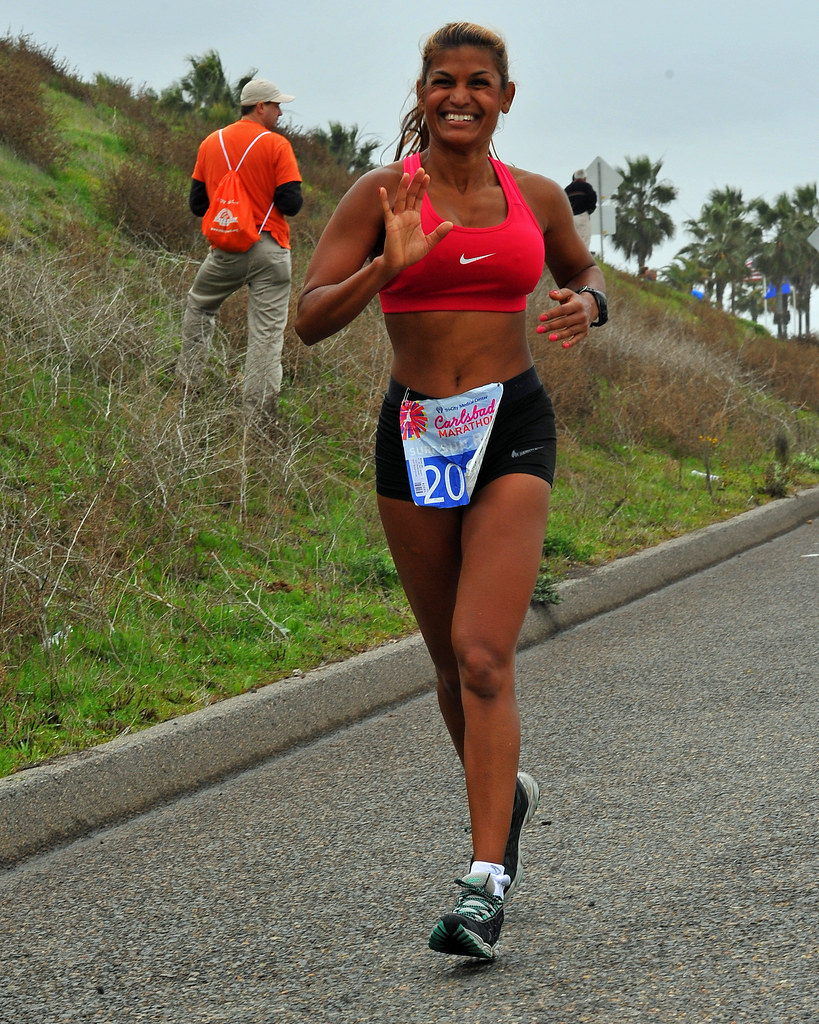
Cleveland Clinic’s advice for this phase is straightforward: as your energy increases, add cardio-based workouts to your days. Running, swimming and group fitness classes are great options to get your heart rate up. If you spent your period on gentle walks, this is the moment to switch into a steadier jog, book the class you keep postponing, or take your workout outdoors.
Strength training fits here too. The higher pain tolerance reported in the first half of the cycle means hard efforts can feel more manageable, so this is a reasonable window to progress your usual weights. Start where your last session left off and add a little only when the session feels genuinely comfortable. The point of follicular phase workouts is not to prove how hard you can go; it is to use the days when your body responds well, so the harder weeks later do not feel like a cliff.
Warm up properly before any hard session, because joints and muscles still need a few minutes to switch on. Drink water before and during training, since even mild dehydration dulls energy and recovery. And keep one rest or light-mobility day even in this phase. Energy is higher here, not unlimited.
A simple follicular phase week
A balanced week in this phase might look like this, adjusted to your schedule:
- Monday: easy jog or brisk walk, 20 to 30 minutes.
- Tuesday: strength session focusing on the big movements you enjoy.
- Wednesday: rest or gentle yoga and stretching.
- Thursday: swimming, cycling or a group fitness class.
- Friday: strength session, slightly lighter than Tuesday.
- Saturday: longer run, hike or active outdoor outing.
- Sunday: rest or a slow walk.
Treat the plan as a menu, not a contract. If your energy dips on a given day, swap the hard session for a gentler one. The cycle repeats every month, so there is always another follicular phase ahead.
When to see a doctor
Feeling tired during your period is normal. Feeling drained all month, including after your period ends, is worth a conversation with a GP. Persistent tiredness and lack of energy are among the main symptoms of iron deficiency anaemia, which heavy periods commonly cause, notes the NHS. Shortness of breath, noticeable heartbeats, paler skin than usual and headaches can also point to low iron.
Ask for a blood test rather than self-prescribing supplements. See a GP about your periods themselves if heavy bleeding is affecting your life, you have had heavy periods for a while, or you need to change a pad or tampon every one to two hours. The NHS also lists periods lasting more than seven days, clots larger than about 2.5 cm, and feeling tired or short of breath a lot as reasons to get checked. A sudden change in your usual cycle pattern also deserves a medical opinion.
How Lail can help
Lail is a private period and cycle tracker that makes phase-based training practical. It learns your cycle length, predicts your next period, and shows you which phase you are in today, so you can plan harder workouts for your follicular days and lighter ones before your period. Its Wawasan (Insights) section offers food, activity and information suggestions matched to your current cycle phase, and logging symptoms, mood and weight helps you spot your own energy patterns. Everything stays on your phone, with no account, no login and no cloud upload: browse our cycle and fertility guides, download Lail from Google Play, or visit lailapp.nayabisa.com.
FAQ
Why do I feel more energetic after my period ends?
In the first half of your cycle, estrogen levels rise as your period finishes. Many people report higher energy, better memory and higher pain tolerance during these weeks (US Office on Women’s Health). The sluggishness usually returns after ovulation as progesterone climbs.
What are the best follicular phase workouts?
Cardio-based training suits this window: running, swimming, cycling and group fitness classes get your heart rate up while your energy is high (Cleveland Clinic). Strength training also fits, since the phase’s higher pain tolerance can make progressive overload feel more comfortable.
Can I do high-intensity training in the follicular phase?
Yes, this is generally the phase where harder efforts feel most manageable. Build intensity gradually, warm up properly, and drop the intensity any day your energy does not show up. Near ovulation, energy often peaks, which is a good time for your toughest session of the month.
Is it normal to feel tired all the time even after my period?
No. Constant tiredness and lack of energy can signal iron deficiency anaemia, which heavy periods commonly cause (NHS). If you also feel short of breath, notice your heartbeat, or look paler than usual, see a GP and ask about a blood test.
Does cycle syncing really work?
The full cycle-syncing program has not been studied as a whole, Cleveland Clinic notes, but research does support differences in mood and activity across the menstrual cycle. Treating phase-based training as gentle guidance, while listening to your body, is the evidence-safe approach.
Disclaimer
This article is for educational purposes only and is not medical advice. Menstrual cycles, energy levels and training needs vary from person to person. If you are concerned about heavy bleeding, persistent tiredness, possible anaemia, or any change in your cycle, please consult a qualified healthcare provider.
Sources
- US Office on Women’s Health – Your menstrual cycle and your health: https://www.womenshealth.gov/menstrual-cycle/your-menstrual-cycle-and-your-health
- US Office on Women’s Health – Your menstrual cycle: https://www.womenshealth.gov/menstrual-cycle/your-menstrual-cycle
- Cleveland Clinic – Cycle syncing for fitness and nutrition: https://health.clevelandclinic.org/cycle-syncing
- NHS – Iron deficiency anaemia: https://www.nhs.uk/conditions/iron-deficiency-anaemia/
- NHS – Heavy periods: https://www.nhs.uk/conditions/heavy-periods/