Tag: period cramps

  • Magnesium for Period Cramps: What the Evidence Actually Shows

    Magnesium for Period Cramps: What the Evidence Actually Shows

    That kind of pain does not care about your plans. By the time the painkillers wear off, most people will try whatever is in the cupboard. So does magnesium for period cramps actually change anything, or is it a supplement with a better marketing budget than evidence? The research is small, older than you would expect, and more interesting than the internet usually admits.

    Key takeaways

    • Magnesium sits in more than 300 enzyme reactions, including the muscle and nerve functions that decide how a contraction feels.
    • The strongest evidence for painful periods comes from three small trials published in 1989 and 1990, plus one 2022 trial against the contraceptive pill.
    • A 2016 Cochrane review of 27 supplement trials rated every comparison low or very low quality, and safety reporting was close to absent.
    • The upper limit for magnesium from supplements is 350 mg a day, and diarrhoea is the usual sign you have passed it.
    • Food carries magnesium with no laxative ceiling, and pumpkin seeds, beans, nuts and leafy greens are the cheapest places to find it.

    What magnesium does in your body

    Magnesium is a mineral your body uses in more than 300 enzyme reactions: building proteins and bones, regulating blood sugar and blood pressure, and running muscle and nerve signals. Harvard’s Nutrition Source describes it as an electrical conductor that contracts muscles and keeps the heart beating steadily.

    Muscle contraction is the part that matters for monthly pain. Period pain happens when the womb tightens during your period, according to the NHS. A 2020 review in Nutrients explains magnesium’s role in pain as an antagonist at the NMDA receptor, which reduces central sensitisation and dampens an already sensitised pain system.

    Nobody has shown that low magnesium causes period pain. The mineral simply sits inside the pathways that regulate contraction and pain signalling, which is why researchers tested whether adding more of it changes the experience.

    What the evidence on magnesium for period cramps shows

    The best summary of magnesium for period cramps is still the 2001 Cochrane review by Proctor and Murphy. Three small trials compared magnesium with placebo, and overall magnesium was better for pain relief while women needed less additional medication. There was no significant difference in the number of adverse effects. The reviewers called magnesium promising, but said the dose and schedule could not be pinned down from the trials available.

    Two of those trials are worth knowing in detail. Seifert and colleagues followed 50 women with primary dysmenorrhoea for six months in a double-blind study: 21 of the 25 women on magnesium reported fewer symptoms, and prostaglandin F2 alpha in menstrual blood fell to 45% of the pre-treatment level, against 90% in the placebo group. Fontana-Klaiber and Hogg ran a smaller double-blind trial of 32 women and analysed 21 of them. Magnesium did little on day one, helped back pain and lower abdominal pain on days two and three, and cut days lost from work.

    Newer evidence is thinner than the supplement aisle suggests. A 2022 study followed 172 women with primary dysmenorrhoea for three cycles: 86 took 200 mg of magnesium citrate daily and 86 took a combined oral contraceptive. The magnesium group finished with significantly lower pain scores than before treatment and needed fewer painkillers, but the contraceptive group did better on both measures. That study had no placebo arm.

    A 2020 meta-analysis of micronutrients in primary dysmenorrhoea screened 16 clinical trials and listed magnesium among the supplements with a desirable effect on pain. Only six studies were pooled, though, and the pooled results that reached significance were for vitamin D and vitamin E, not magnesium.

    The honest counterweight for anyone weighing magnesium for period cramps is the 2016 Cochrane review of dietary supplements for period pain. It covered 27 trials and 3,101 women, mostly students in their late teens and early twenties in Iran, and graded every comparison as low or very low quality. Only four of the 27 trials reported adverse effects in both treatment groups. Magnesium was not among the supplements included in that update, so the 2001 conclusion remains the fairest reading: promising, tiny, and unclear on dose.

    One more finding is worth flagging for anyone whose symptoms run into the week before their period. A 2017 systematic review of 14 trials found that magnesium combined with vitamin B6 reduced premenstrual anxiety, but magnesium on its own did not, and neither version changed stress levels in women with dysmenorrhoea.

    Which type of magnesium, and how much

    Supplements come as magnesium oxide, hydroxide, gluconate, chloride and citrate salts, plus amino acid chelates such as magnesium aspartate. A few of those salts are also used as antacids and laxatives, which tells you something about how they behave in the gut. No trial has compared the forms head to head for cramps, and the studies that did show a benefit used different preparations: a granulate in 1990, 200 mg of citrate daily in 2022. The practical answer for magnesium for period cramps is to pick a form you tolerate and can take consistently.

    The dose ceiling is better documented than the dose target. The tolerable upper intake level for magnesium is 350 mg a day from supplements only, and it exists specifically because higher intakes cause diarrhoea and gastrointestinal upset. That limit does not apply to magnesium from food, because the kidneys clear the excess.

    Magnesium also interferes with some medicines. It reduces the absorption of digoxin, nitrofurantoin and certain antimalarials, needs a two-hour gap from bisphosphonates such as alendronate, and can reduce the effect of chlorpromazine, penicillamine, oral anticoagulants and quinolone antibiotics. If you take prescription medicine daily, ask a pharmacist before adding a supplement.

    Food sources first

    About 30% to 40% of the magnesium you eat is absorbed, and absorption shifts with the amount eaten and with the rest of the meal. Adults need 310 to 320 mg a day, more during pregnancy. Good sources, according to MedlinePlus and Harvard, include:

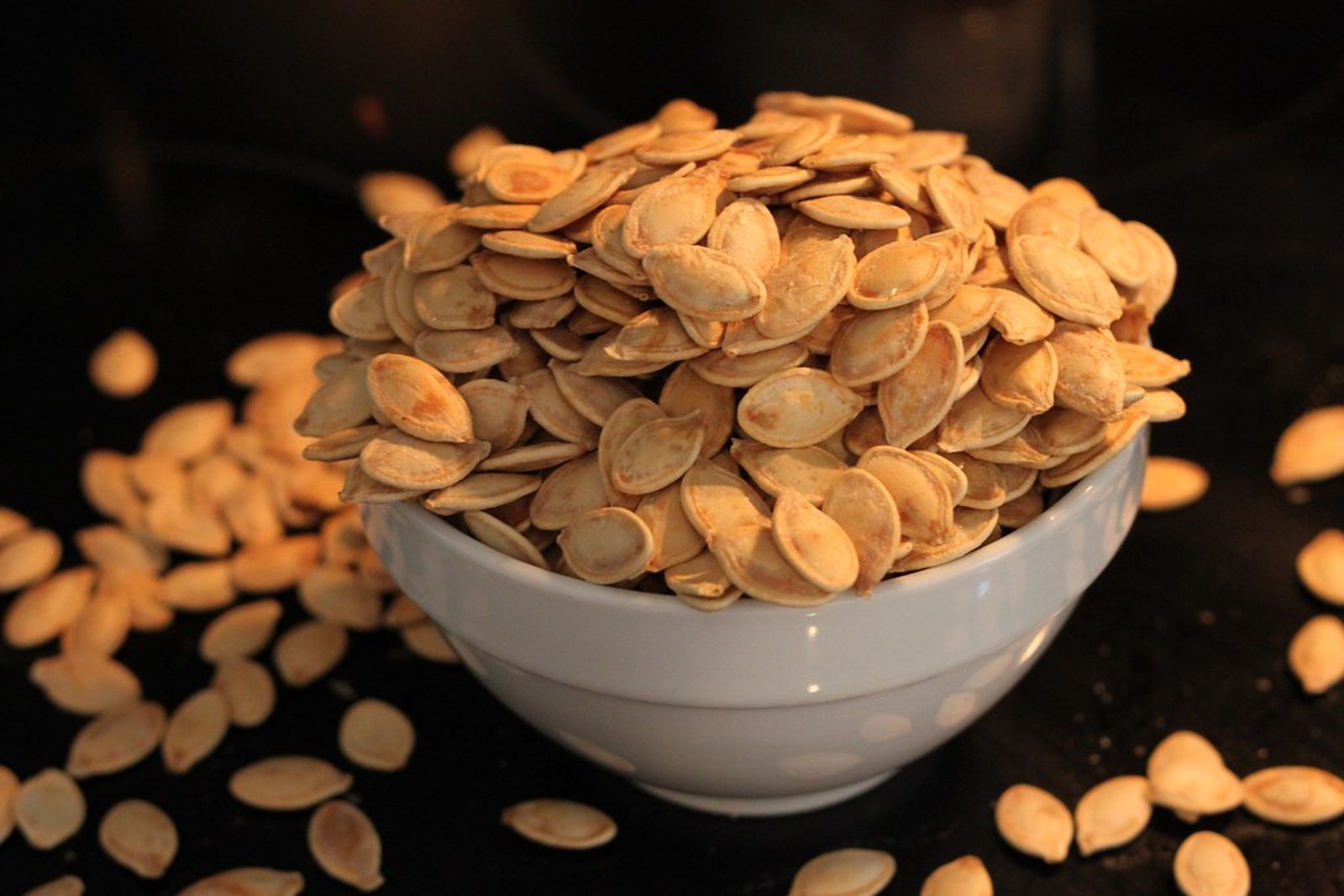
    • Pumpkin seeds, almonds, cashews, peanuts and hazelnuts.
    • Beans, peas, lentils, chickpeas and soy products such as tofu.
    • Leafy greens such as spinach, whole grains such as brown rice, avocados and bananas.
    • Milk, and fortified foods such as breakfast cereals.

    A bowl of beans and a handful of seeds gets you a long way toward the daily figure without touching the supplement ceiling. If your diet is already built on those foods, the case for a pill gets weaker.

    What else helps with cramps

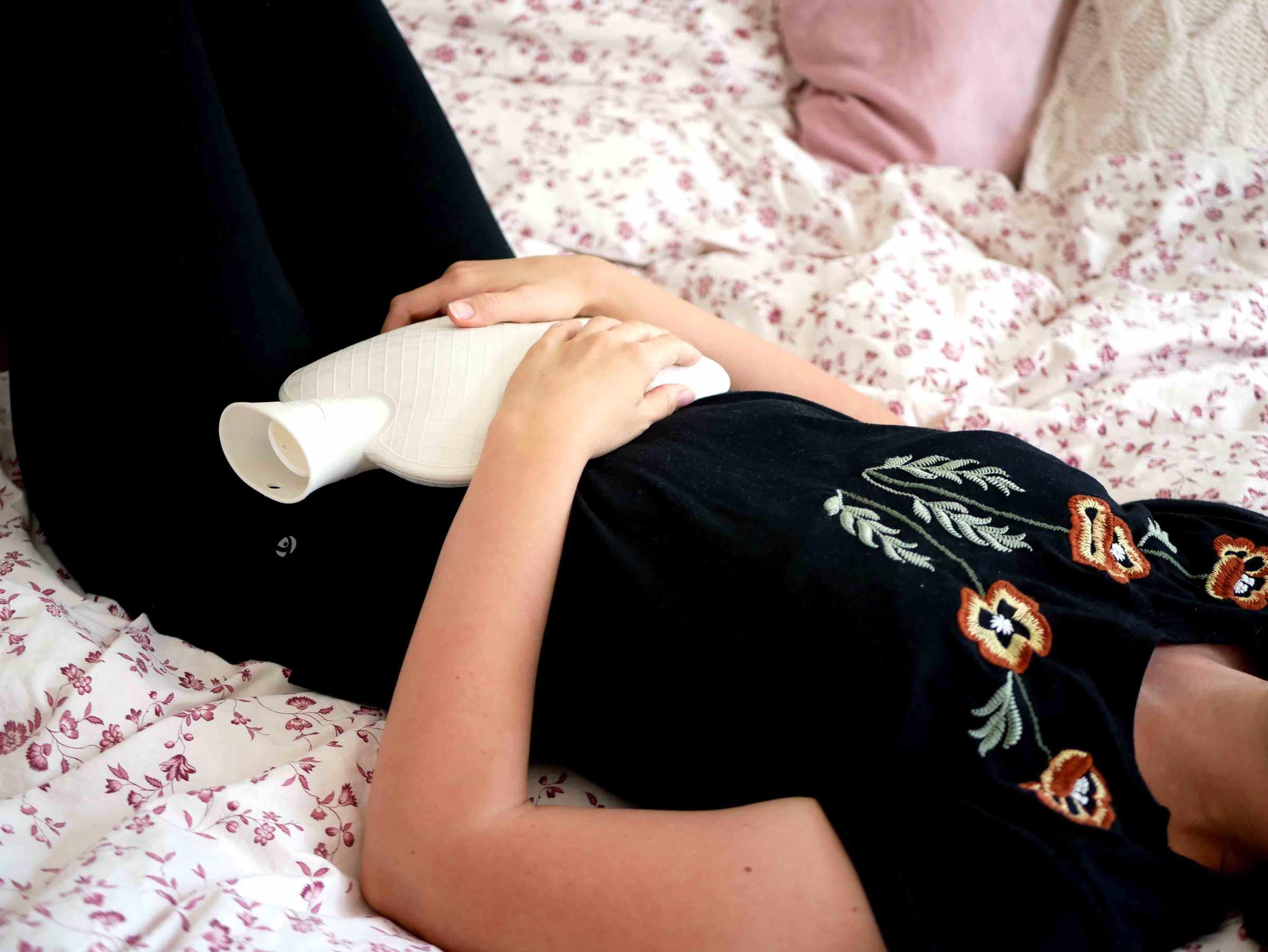
    The NHS self-care list is unglamorous and better evidenced than any supplement: a warm bath or shower, a heat pad or hot water bottle wrapped in a tea towel on your tummy, massage, and gentle exercise such as yoga, swimming, walking or cycling. Paracetamol and ibuprofen are listed as first-line painkillers, and ibuprofen specifically lowers the prostaglandins behind the contractions.

    Three articles on this site go deeper on those options. Our piece on heat for period cramps covers the head-to-head trials, ginger and chamomile tea looks at the herbal evidence and its limits, and what to eat on your period maps food to each phase of the cycle. For more in this cluster, browse the Cycle & Fertility archive.

    When to talk to a doctor

    Period pain that is severe or worse than usual and has not eased with painkillers needs an urgent appointment or a call to NHS 111. Book a routine appointment if your periods are getting heavier or more painful, if pain stops you doing your usual activities, if sex or going to the toilet hurts, if you bleed between periods, or if you have a swollen tummy, no appetite or unexplained weight loss. Skip magnesium supplements until you have spoken to a doctor if you have kidney problems, because impaired kidney function raises the risk of a build-up.

    How Lail can help

    Lail is our own period tracker for Android, and it keeps everything on your phone rather than in a cloud account. You can log symptoms, mood, flow and weight, and see insights built around each phase of your cycle, which is how you find out whether the magnesium, the heat pad or the earlier bedtime actually changed anything. There is no account and no cloud backup; the database is encrypted on your device. You can download Lail from the Play Store or find it alongside our other apps on the products page.

    How long does magnesium take to work for period cramps?

    The trials that showed a benefit dosed across whole cycles rather than single days. The 1990 study gave magnesium the day before bleeding plus days one and two, while the 2022 study measured pain after three cycles. Give magnesium for period cramps two full cycles before you judge it.

    Which magnesium is best for period cramps?

    No trial has compared the forms against each other for cramps, so any confident ranking online is guesswork. Trials have used a granulate and magnesium citrate, and the safety limit of 350 mg a day applies to all of them. Choose one you tolerate and keep the total below that ceiling.

    Should I take magnesium every day or only during my period?

    Both approaches have been tested, and neither has been compared with the other. The 1989 trial dosed continuously for six months, while the 1990 trial used a short window around bleeding. Daily dosing is easier to remember; the trade-off is more days of loose stools if you overshoot the dose.

    Can magnesium replace painkillers?

    No. In the 2022 trial the contraceptive pill outperformed magnesium, and the NHS still lists paracetamol and ibuprofen as first-line treatment. Treat magnesium as an addition to your usual pain plan, not a replacement for it.

    This article is educational and is not medical advice. Talk to a qualified healthcare provider about your own symptoms, medicines and supplements.

    Featured image: Roasted Pumpkin Seeds by jaxzin via Flickr (CC BY 2.0).

    Sources

  • Heat for Period Cramps: What Works and How to Use It

    Heat for Period Cramps: What Works and How to Use It

    The first day of bleeding is usually the hardest, when contractions in the uterus are strongest and no position on the sofa feels quite right. The ache can last up to three days, and it often spreads into your back and thighs. If you have ever wondered why heat for period cramps works so well, the answer comes down to two things: what warmth does to a muscle that will not loosen, and what the clinical trials actually measured. Both point the same way, though the research is quieter than the labels on heat patches suggest.

    Key takeaways

    • Heat for period cramps has been tested head to head against painkillers in three separate trials, and it held its own.
    • A 2024 network meta-analysis of 33 trials put topical heat among the non-drug options that reduce menstrual pain.
    • The trials used continuous low-level heat patches at around 40°C for 8 to 12 hours a day, longer than most people use a hot water bottle.
    • Cramps come from prostaglandins, the chemicals that make the uterus contract, and warmth relaxes muscle and increases blood flow.
    • Heat eases pain but does not treat endometriosis, fibroids or an infection, so pain that keeps getting worse needs a doctor.

    Why warmth helps a cramping uterus

    Menstrual cramps start with a chemical called prostaglandin. Levels rise just before bleeding begins, which makes the uterus contract harder to shed its lining. Those contractions are the ache you feel, and they explain why day one and day two usually hurt most.

    Warmth does not switch prostaglandins off. What it does is act on the muscle and the tissue around it. Superficial heat relaxes tight muscle, widens blood vessels and increases blood flow to the area, which is the closest thing to a direct answer to why heat for period cramps keeps showing up in self-care advice.

    A randomised trial of 371 people with acute low back pain is the cleanest demonstration of that muscle effect. An 8-hour heat wrap held at 40°C reduced muscle stiffness more than acetaminophen did, and improved how far participants could bend sideways. Period cramps are not back pain, but the response of a tense muscle to steady warmth is the same.

    What the trials on heat for period cramps found

    The strongest summary comes from a 2024 Bayesian network meta-analysis in BMJ Evidence-Based Medicine. It pooled 33 randomised trials and eight non-drug interventions, from exercise to acupuncture. Topical heat cut pain on a 10-point visual analogue scale by 2.97 points (95% CI -4.66 to -1.29), which placed it in the same range as exercise at -3.20 and acupuncture at -2.90.

    The authors stayed careful. Their conclusion was that non-drug options “may result in a reduction or slight reduction in pain intensity”, and they called for larger, better-designed trials. Treat that as good news with an asterisk, not a cure.

    The head-to-head comparisons are more interesting. A 2001 study in Obstetrics & Gynecology gave 84 women either a heated patch or an unheated one, plus either ibuprofen 400 mg three times a day or a placebo. Over two days, the heated patch with placebo scored 3.27 for pain relief, ibuprofen scored 3.07, and the unheated patch with placebo scored 1.95. Heat on its own matched ibuprofen, and when the two were combined, noticeable relief arrived in a median 1.5 hours instead of 2.79.

    Three years later the same research group compared a heat wrap with acetaminophen 1000 mg in 344 women. The heat wrap came out ahead for pain relief over eight hours, at 2.48 against 2.17, and for abdominal tightness. It also reported less fatigue and fewer mood swings.

    A 2012 trial in BMC Women’s Health took a different route. It gave 147 students either an iron-chip heat patch or ibuprofen, and the patch performed about as well as the drug at most time points, with differences that did not reach statistical significance. The caveat across all of this is size. A 2016 Cochrane review of 27 trials covering 3,101 women rated the wider evidence for period-pain remedies as low or very low quality, which shows how thin the base underneath these numbers still is.

    Which kind of heat to reach for

    • A heat pad or hot water bottle on the tummy, wrapped in a tea towel, is what the NHS recommends and the cheapest option.
    • Adhesive heat patches sit under clothing and give steady low-level warmth for hours, which is why the trials used them.
    • A warm bath or shower covers the whole lower half of the body and fits easily into the end of a day.
    • Microwaveable wheat bags do the same job as a hot water bottle, with the same burn risk if they come out too hot.

    How to use heat without burning yourself

    Heat is low risk, but contact burns from pads and bottles are common enough that the NHS says to wrap a hot water bottle in a tea towel rather than resting it against bare skin. Check your skin every 20 minutes or so, and move the heat source if the area is turning deep red. Do not fall asleep with an electric pad switched on, because contact burns build up while you are unaware of them, and the same applies to heat patches left on overnight. If your skin is numb, or you have diabetes or nerve damage that dulls sensation, ask a clinician before using a heating pad, since you may not feel a burn starting.

    If you might be pregnant, ask a midwife or doctor before applying heat to your abdomen. Heat also runs alongside painkillers rather than replacing them, and ibuprofen is the one that lowers prostaglandin production. Just do not stack a heat patch and a hot water bottle on the same spot at the same time.

    When to see a doctor

    Period pain is normal. Pain that stops you living normally is not. Ask for an urgent appointment if your pain is severe, or worse than usual, and painkillers have not touched it.

    Book a routine appointment if your periods are getting more painful, heavier or irregular, if the pain stops you working or studying, or if you bleed between periods. Pain during sex, or when you pee or poo, also needs a doctor rather than another heat pack. Endometriosis, adenomyosis, fibroids and pelvic inflammatory disease all cause painful periods, and all of them need treatment.

    An IUD can cause cramps for the first three to six months after fitting, which is worth knowing before you blame your cycle. If heat and ibuprofen are not enough month after month, ask about prescription options such as naproxen, mefenamic acid, hormonal contraception, a TENS machine or a referral to a gynaecologist.

    How Lail can help

    Lail is a private period tracker for Android that keeps your cycle, symptoms, mood and weight on your own device, with no account and no cloud backups. Seeing which days you usually cramp means you can have the heat pad ready before the pain peaks, and its insights suggest foods for the phase you are in. Lail is free with ads, and a premium tier of around Rp10,000 a month adds PDF export. You can also get it on Google Play.

    FAQ

    How long can you leave a heating pad on your stomach?

    There is no research-backed time limit, because the trials used steady low-level patches for 8 to 12 hours a day rather than a hot water bottle. A workable routine is to keep heat on while it is helping and to check your skin every 20 minutes. Take a break once the pain eases instead of leaving it on all evening.

    Does heat work as well as ibuprofen for period cramps?

    In one trial on heat for period cramps, a heated patch relieved pain about as well as ibuprofen 400 mg taken three times a day, and the two together brought relief faster than ibuprofen alone. A second trial found a heat wrap beat acetaminophen over eight hours. These were single studies of a few hundred women, so read the comparison as encouraging rather than settled.

    Heat or ice for period pain?

    Warmth is what the trials and NHS self-care advice support, and every study behind these numbers used heat on the abdomen. Cold belongs to swelling and injury rather than cramps. If cold makes your belly feel worse, that is worth listening to.

    Is it safe to sleep with a heating pad or heat patch on?

    Not with an electric pad left running, and not with a patch pressed against skin for a whole night. Contact burns develop while you sleep, which is exactly why the NHS says to wrap a hot water bottle in a towel. Use heat while you are awake, then put it aside before you drift off.

    This article is educational and is not medical advice. Talk to a doctor or pharmacist about your own symptoms, and check with them before combining heat with any medication.

    Featured image: “Experiencing menstrual pain with hot water bottle” by Vulvani, CC BY-SA 4.0, via Wikimedia Commons.

    Sources

  • Ginger and Chamomile Tea for Period Cramps: What the Research Shows

    Ginger and Chamomile Tea for Period Cramps: What the Research Shows

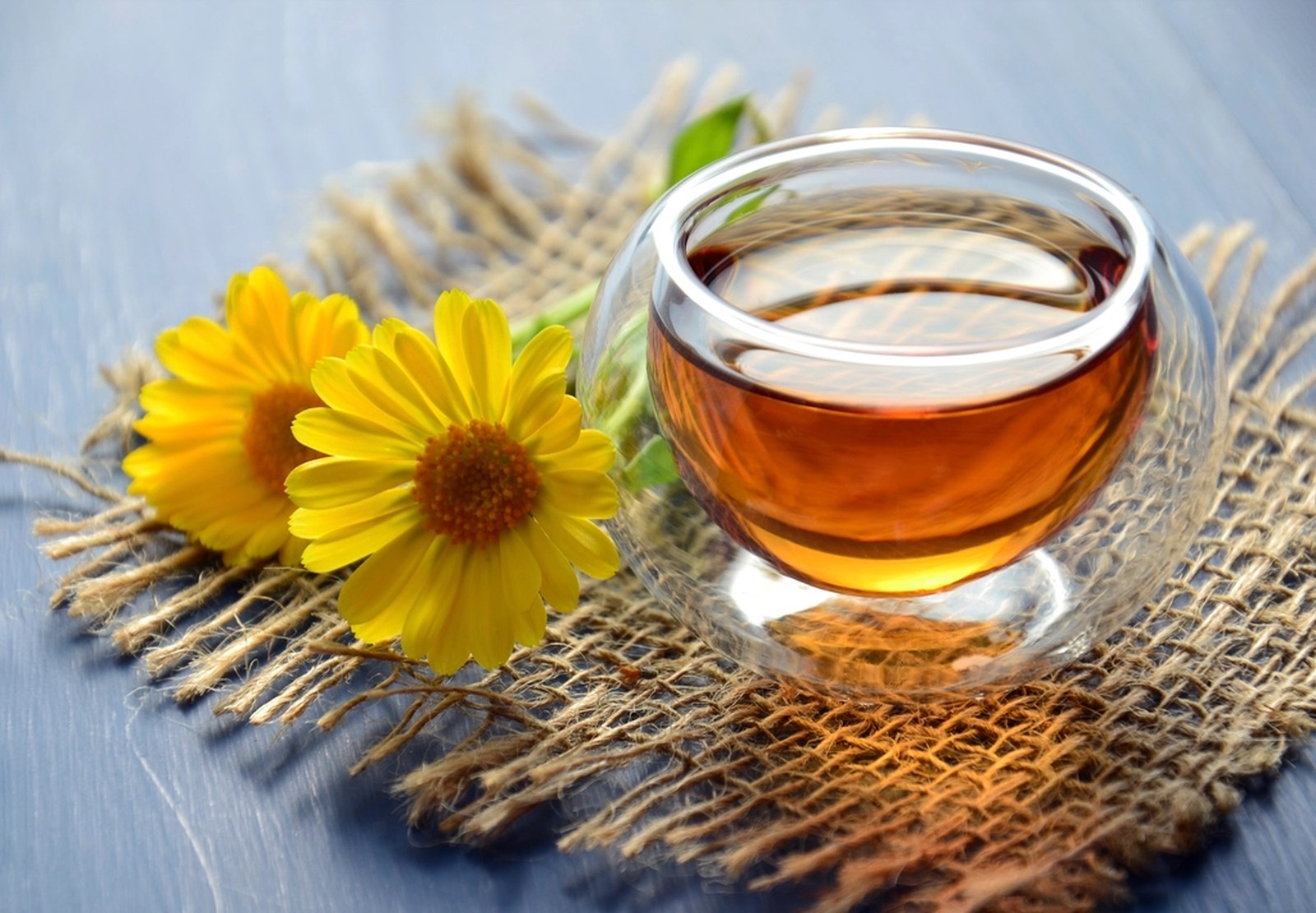
    Movements you would normally shrug off can feel like a lot on day one. Every instinct says stay still until it passes. Ginger and chamomile are the two herbs most often suggested as tea for period cramps, and both have clinical trials behind them. The harder question is how much of the relief comes from the herbs, and how much from a warm mug and five quiet minutes.

    Key takeaways

    • Ginger beat placebo for period pain in two separate meta-analyses, and matched NSAIDs for pain intensity in one of them.
    • Chamomile has a thinner evidence base: a 2021 review of seven trials found it eased pain and bleeding, but the trials were small.
    • Cochrane rates the whole field as low or very low quality, mainly because the studies enrolled few women.
    • Neither tea replaces heat, ibuprofen, or a diagnosis when pain interferes with your day.
    • Chamomile can trigger allergic reactions in people sensitive to ragweed and daisies, and may interact with warfarin and birth control pills.

    Why cramps happen at all

    Cramps come from prostaglandins, chemicals your uterus releases to help it shed its lining. Higher levels mean stronger contractions. Those levels peak just before bleeding starts, then fall over the following days.

    That timing explains why day one and day two usually hurt more than the rest of your period. Anything that lowers prostaglandin activity, including ibuprofen, tends to lower the pain.

    What the research says about ginger

    Ginger tea for period cramps is the version most people reach for, and ginger has the stronger evidence of the two herbs. A 2024 meta-analysis in the Journal of Integrative and Complementary Medicine pooled 12 studies. It found ginger reduced pain intensity compared with placebo, with a standardized mean difference of -1.13.

    The same review found no meaningful difference between ginger and NSAIDs for pain intensity. Its authors also noted that safety data were rarely reported, which is a gap rather than a green light.

    An earlier meta-analysis in Cureus looked at five placebo-controlled trials and two head-to-head trials against NSAIDs. It reported that ginger eased menstrual pain more than placebo, with a mean difference of 2.67 points on the pain scale.

    Ginger and NSAIDs came out roughly equal for pain severity. That review found no clear effect on how long the pain lasted, and it flagged high statistical heterogeneity across the pooled studies.

    What the research says about chamomile

    Chamomile tea for period cramps rests on smaller studies. A 2021 systematic review in the International Journal of Community Based Nursing and Midwifery examined seven clinical trials. Together they covered 1,033 participants.

    The authors concluded that chamomile can be considered effective for period pain and for reducing menstrual bleeding. The proposed mechanism is the one that made it a traditional antispasmodic: chamomile extract appears to cut prostaglandin and leukotriene production.

    A 2025 randomized trial tested a chamomile and L-theanine drink taken daily for five days around the start of a period. Participants reported reductions of roughly 57 percent on a visual analogue pain scale. That drink was not plain chamomile tea, and it had only 15 people per group. Read the result as promising for a chamomile-based drink, not as proof for the teabag in your cupboard.

    How to make tea for period cramps at home

    No trial tested one standard cup, so there is no research-backed recipe to copy exactly. What the studies used was a range: capsules, ginger powder, and brewed drinks, taken across the first few days of bleeding. For the tea version, steep a teaspoon or two of dried ginger, or a chamomile teabag, in hot water for five to ten minutes. Ginger is sharp, so start mild and see how your stomach answers.

    Tea works best as part of the routine the NHS already recommends, not as a swap for it. That routine is a warm bath or shower, a heat pad wrapped in a towel against your tummy, a gentle massage, and some light exercise. If walking is your version of light exercise, the pacing matters more than the distance.

    Who should be careful with these teas

    Chamomile is likely safe at the amounts found in tea and food, according to the National Center for Complementary and Integrative Health. The same page flags a real risk of allergic reactions, including severe ones, in people allergic to ragweed, chrysanthemums, marigolds or daisies. It also reports interactions between chamomile and warfarin and some drugs processed by the liver.

    Preliminary findings suggest chamomile may reduce the effectiveness of birth control pills. It may also worsen conditions that are sensitive to estrogen, such as breast or uterine cancer.

    Ginger’s common side effects are digestive: abdominal discomfort, heartburn, diarrhoea, and irritation of the mouth and throat. That matters more if you already get reflux or have a sensitive stomach. Both NCCIH pages carry the same instruction, which is to talk to a healthcare provider before using either herb if you take any medication.

    What tea cannot do

    Cochrane’s 2016 review of dietary supplements for period pain is the honest counterweight here. It included 27 randomized trials covering 3,101 women, and judged all of the evidence to be low or very low quality. Most studies were small, ran in a single country, and recruited students in their late teens or early twenties.

    The reviewers pointed to tiny sample sizes, missing methods, and inconsistent results. Ginger and chamomile tea for period cramps are reasonable extras alongside proven basics. They are not a treatment plan.

    When to see a doctor

    Period pain is common, and pain that stops you living normally is not something to push through with another cup of tea. Ask for an urgent GP appointment or call NHS 111 if your pain is severe or worse than usual and painkillers have not helped. Book a routine appointment if your periods become more painful, heavier or irregular, or if you bleed between periods.

    Pain during sex or when going to the toilet also needs a doctor rather than a herbal remedy. Endometriosis, adenomyosis, fibroids and pelvic inflammatory disease all cause painful periods, and an IUD can cause cramps for the first three to six months after it is fitted.

    How Lail can help

    Tea is easier to time when you know your period is coming. Lail is a private period tracker for Android that keeps your cycle, symptoms, mood and weight on your own device, with no account and no cloud backups. Its insights also suggest foods for the phase you are in, which helps when you are working out what to drink and eat across the week.

    Seeing which days you usually cramp lets you plan heat and a hot drink before the pain peaks. Lail is free with ads, and a premium tier of around Rp10,000 a month adds PDF export. You can also get it on Google Play.

    FAQ

    Does ginger tea work as well as ibuprofen?

    In one meta-analysis, ginger and NSAIDs came out roughly equal for pain severity across the pooled trials. Those trials were small and inconsistent, so treat that as encouraging rather than settled.

    How much ginger tea should I drink for cramps?

    No trial has settled on a single amount, and the reviews note that safety data were rarely reported. Start with a normal cup and see how you feel instead of chasing a therapeutic dose on your own.

    Can I drink ginger and chamomile together?

    No trial has tested a blend of the two, so nobody can say whether combining them adds anything. Drinking them on separate days is the simpler way to notice which one helps you.

    When is tea the wrong first move?

    If the pain is severe, getting worse each cycle, or stopping you from working or studying, tea is not the answer you need. That pattern deserves a doctor, because conditions such as endometriosis and fibroids need treatment.

    This article is educational and is not medical advice. Talk to a doctor or pharmacist about your own symptoms, and check with them before using herbal remedies alongside any medication.

    Sources

  • Walking on Your Period: Ease Cramps Without Feeling Drained

    Walking on Your Period: Ease Cramps Without Feeling Drained

    Day one is usually the loudest day. The ache arrives before you have decided whether to get up, and every instinct says stay still until it passes. If you grew up being told that movement makes cramps worse, walking on your period probably sounds like the worst idea available. It might also be the one thing that helps.

    The advice is not new. The NHS lists walking among the gentle exercises it recommends for period pain, right next to heat pads and massage. A 2019 meta-analysis of randomized trials found that physical activity reduced how intense menstrual pain felt and how long it lasted. What most write-ups skip is the part you need on day one: how to walk so you finish feeling better instead of flattened.

    Key takeaways

    • Walking on your period is one of the gentle exercises the NHS recommends for period pain, alongside heat, massage and painkillers.
    • A meta-analysis of 15 randomized trials found physical activity lowered menstrual pain intensity and cut pain duration by roughly four hours.
    • A 2025 trial that included a walking program three days a week reported fewer menstrual symptoms and better sleep.
    • Cramps come from prostaglandins, which peak just before your period and fall in the days after, which is why day one tends to hurt most.
    • Walking is not a replacement for painkillers or for a diagnosis, and severe pain deserves a doctor rather than more laps.

    Why day one tends to hurt the most

    Menstrual cramps happen when a chemical called prostaglandin makes the uterus contract. Levels rise just before your period starts and drop once bleeding begins, which is why the cramping usually eases over the following days. The NHS puts typical period pain at up to three days. Day one is often the heaviest and the sorest, which makes it both the hardest day to move on and the day movement can do you the most good.

    What walking on your period actually does

    Researchers are still working out the exact mechanism. Movement was recommended for period pain long before anyone tested it properly, and one trial protocol notes that the belief rested on anecdotal reports and non-experimental studies for decades. What has changed is how much evidence sits behind the idea that walking on your period helps.

    A 2019 systematic review in the American Journal of Obstetrics and Gynecology pooled 15 randomized controlled trials covering 1,681 participants. Physical activity reduced pain intensity by about 1.9 cm on a 10 cm visual analogue scale, and shortened pain duration by roughly 3.9 hours compared with control groups. The authors were candid about quality. Heterogeneity was high, the primary studies were low to moderate quality, and they did not hand down a strong recommendation.

    A newer trial published in BMC Women’s Health in 2025 followed 54 women across three menstrual cycles. One group did a mix of strengthening, flexibility and balance work plus moderate aerobic exercise and walking at least three days a week; the other group did nothing extra. The exercise group reported fewer menstrual symptoms and better sleep, and their fatigue scores fell too, though the difference from the control group was not statistically significant.

    A separate review of physiotherapy for primary dysmenorrhea found a smaller average pain reduction of about 1.1 cm and rated the evidence low quality. The overall picture is consistent. Moving helps, the effect is real but modest, and it works best as one part of a routine rather than a cure.

    How to pace a first-day walk so you do not end up wiped out

    The goal on day one is not a workout. Ten to fifteen minutes of slow, flat walking is enough, and turning around early costs you nothing. If you grew up believing that exercise during your period is off limits, it is worth settling that first.

    • Start smaller than feels impressive, because ten flat minutes beat a 40-minute loop you have to limp home from.
    • Walk slower than your usual pace, and shorten your stride instead of pushing through discomfort.
    • Bring water and actually drink it, since dehydration alone causes tiredness and light-headedness that is easy to blame on your period.
    • Wear something warm around your middle, and turn back the moment the ache climbs rather than waiting for a halfway point.

    If going outside feels like too much, pacing your living room counts. What matters is gentle, continuous movement rather than distance or speed. When you have more to give, it helps to know why workouts feel easier in the follicular phase. On a heavy day the opposite list matters just as much: the exercises to avoid during your period.

    Painkillers, heat and walking: how they fit together

    Walking is an addition, not a replacement. NSAIDs such as ibuprofen work by lowering prostaglandin levels, the same chemical driving the cramps in the first place, and they work best taken as soon as cramping starts. The NHS suggests paracetamol or ibuprofen alongside a warm bath, a heat pad and massage. If you reach for painkillers every single cycle, or they no longer touch the pain, that is worth a conversation with a doctor rather than another lap around the block.

    When to see a doctor

    Most period pain is normal and manageable. Some of it points to something else.

    • Pain that is severe or worse than usual, where painkillers have not helped, needs urgent advice from a GP or NHS 111.
    • Period pain that stops you doing your usual daily activities.
    • Periods that have become more painful, heavier or irregular, or any bleeding between periods.
    • Pain during sex or when peeing or pooing, or a tummy that looks swollen.

    Conditions such as endometriosis, adenomyosis, fibroids and pelvic inflammatory disease all cause painful periods, and an IUD can cause cramps in the first three to six months after it is fitted. Finding the cause matters, because treating it is what eases the pain.

    How Lail can help

    Walking on your period is easier to plan when you know which day is coming. Lail is a private period tracker for Android that logs your cycle, symptoms, mood and weight on your own device, with no account and no cloud backups. Its insights also suggest foods for the phase you are in, which helps when you are deciding what to eat before a walk. Cramp patterns get easier to spot after a few cycles of data.

    Lail is free with ads, and a premium tier of around Rp10,000 a month adds PDF export. You can also get it on Google Play.

    FAQ

    Does walking make period cramps worse?

    No. Gentle movement is not a known trigger for worse cramps, and the pooled trial evidence runs the other way. If walking reliably makes your pain sharper, treat that as a signal to get checked rather than something to push through.

    How long should I walk on day one?

    Ten to fifteen minutes is a sensible starting point, and two short walks often work better than one long one. Use your own baseline. If a normal walk for you is 30 minutes, halve it on day one and see how you feel an hour later.

    Is it normal to feel weak and dizzy on the first day?

    Sometimes, and the cause is often simple. Dehydration on its own brings on tiredness, headaches and light-headedness, which is easy to confuse with period fatigue. If you feel dizzy when you stand up and it does not go away, or you feel unusually tired, the NHS says to seek medical advice.

    Can I walk if my cramps are severe?

    If the pain is severe or worse than usual and painkillers have not helped, the NHS advises urgent medical advice rather than exercising through it. Walking suits discomfort you can manage, not pain that stops you functioning. Get the severe pain looked at first.

    This article is educational and not medical advice. Talk to a qualified healthcare provider about your own symptoms.

    Written by the NayaBisa Editorial team. Last updated 13 September 2026.

    Sources