The week before a period can turn a steady person into someone who cries at adverts and eats standing at the fridge, then the bleeding starts and the whole thing lifts on schedule. That predictable arrival and departure is what doctors key on, because it separates a hormonal pattern from depression, thyroid trouble or plain exhaustion. Searching for PMS relief that holds up outside a supplement ad narrows the question to something more useful: which symptoms respond to what, and how strong is the evidence. Clinical guidelines and meta-analyses back only some of what the shelves promise.
Key takeaways
- Exercise and calcium have the strongest trial support of any PMS relief option here.
- A diagnosis needs a pattern: symptoms in the 5 days before a period, across 3 cycles in a row, easing within 4 days of bleeding starting.
- A daily symptom diary for 2 to 3 cycles is what a doctor will act on.
- About half of the people who seek help for PMS also have depression or anxiety.
- Most advertised PMS products have never been tested or have not been proved to work.
What counts as PMS, and what gets mistaken for it
PMS is the cluster of physical and emotional symptoms that appears in the one to two weeks before a period and fades once bleeding starts. The NHS says it can affect anyone who has periods, and its common list runs from mood swings and irritability to bloating, breast tenderness, headaches and food cravings. Cleveland Clinic adds that around 20% of people with symptoms have them severely enough to disrupt daily life.
Prevalence figures swing wildly with the definition, which matters when comparing two websites. Cleveland Clinic reports almost 50% of people who menstruate having at least one PMS symptom, while the Office on Women’s Health puts it above 90%. Those measure different things: one counts PMS, the other counts any symptom at all.
The diagnosis is a pattern rather than a single bad week. ACOG wants symptoms in the 5 days before a period, present for at least 3 cycles in a row, ending within 4 days of the period starting, and interfering with normal activities. That is why the NHS asks for at least 2 cycles of records and ACOG for 2 to 3 months of daily ratings.
Other conditions resemble it. Depression, anxiety, thyroid disease, irritable bowel syndrome, chronic fatigue and perimenopause all overlap, and about half of the women treated for PMS also have depression or anxiety. ACOG notes that depression sits there all month instead of vanishing when the period starts, and that difference is what a clinician looks for.
Our cycle and fertility archive covers the rest.
PMDD is the severe end, with the same symptoms at far greater intensity. The figures differ by definition again: Cleveland Clinic near 3% of people who menstruate, the Office on Women’s Health under 5% of women of childbearing age, a 2017 meta-analysis 5 to 8% with severe PMS. Either way it is a minority, and the group where antidepressants have their clearest role.
PMS relief with the best evidence: exercise and calcium
For PMS relief, exercise has more trial evidence behind it than any supplement. A 2020 systematic review in BJGP Open pooled 15 randomised trials with 717 participants, and the 7 feeding the main analysis (265 women) found a standardised mean difference of -1.08 for global symptoms, 95% confidence interval -1.88 to -0.29. Heterogeneity reached 87%, and 87% of the trials were judged at high risk of bias. ACOG’s practical version is 30 minutes of aerobic activity on most days, all month rather than only in the bad week.
Calcium carries the cleanest PMS relief trial of the lot. In a double-blind multicentre study of 466 women with moderate to severe cyclical symptoms, 1,200 mg of elemental calcium daily as calcium carbonate over 3 cycles produced a 48% reduction in total symptom scores against 30% on placebo, and all four symptom groups improved. ACOG’s patient guidance matches that dose. Yoghurt, milk and leafy greens all count.
Supplements: what the trials actually found
Vitamin B6 has the longest paper trail of any PMS supplement. A BMJ systematic review of 9 placebo-controlled trials covering 940 patients found an odds ratio of 2.32 for overall symptom improvement (95% CI 1.95 to 2.54) and 1.69 for depressive symptoms across 4 trials with 541 patients, at doses up to 100 mg a day. No other PMS relief supplement has that volume behind it, though the review says most of those trials were low quality.
Chasteberry, also sold as Vitex agnus castus, produces the largest pooled effects and the most caution flags. A 2017 meta-analysis of 17 trials reported a Hedges g of -1.21 (95% CI -1.53 to -0.88), with heterogeneity at 91% and evidence of publication bias. A stricter 2019 analysis kept only properly characterised double-blind trials and was left with 3 studies and 520 women, where those taking the extract were 2.57 times more likely to improve (95% CI 1.52 to 4.35). The Office on Women’s Health warns that people using hormonal birth control or hormone therapy should not take it.
Magnesium is where PMS relief advice splits most visibly. The NHS lists magnesium among supplements people try and ACOG says it may help water retention, breast tenderness and mood, while a 2025 review of 31 randomised trials with 3,254 participants found the evidence insufficient for magnesium, vitamin D, soy isoflavones and PMS-specific diets. That review did support vitamin B6, calcium and zinc for psychological symptoms, with the caveat that only 1 of 31 trials had a low risk of bias.
Evening primrose oil gets recommended often and keeps disappointing: the Office on Women’s Health calls the research mixed. ACOG’s summary is blunter than anything else here: most advertised PMS products have either not been tested or have not been proved effective. Cleveland Clinic does list ginkgo biloba for severity, so the category is not uniformly empty.
Food, sleep and the unglamorous basics
Diet advice for PMS relief is consistent across guidelines even where the trials are thin, and our phase-by-phase eating guide covers the food side. ACOG recommends complex carbohydrates, calcium-rich foods, less fat, salt and sugar, no caffeine or alcohol, and either six small meals or three smaller ones with snacks to keep blood sugar steady. The NHS suggests eating every 2 to 3 hours, and Cleveland Clinic frames the caffeine and alcohol cut as a two-week job before symptoms begin.
Sleep and stress get less attention than they deserve. ACOG points to regular sleep and wake times, weekends included, and lists breathing exercises, meditation, yoga and massage among the relaxation options. None of it is dramatic or expensive, and none of it requires believing a marketing claim.
When to see a doctor
The NHS says to see a GP if lifestyle changes have not delivered enough PMS relief, or if symptoms are affecting daily life. A GP can offer hormonal treatment such as the combined contraceptive pill, cognitive behavioural therapy or antidepressants, and can refer you to a specialist if those do not help.
There’s one urgent exception. The NHS directs anyone with PMDD symptoms who feels suicidal to call 999 or go to A&E, and to bring their medicines.
Raise the mental health side even if you assume it is separate: about half of the people treated for PMS have depression or anxiety, so treating only the cycle can leave the larger problem untouched.
How Lail can help
Lail is our own period tracker, and it is built around the record-keeping that most PMS relief advice ends up asking for. You log symptoms, mood, flow and weight, and the app shows how they line up with each cycle phase so a pattern becomes visible instead of remembered. Nothing leaves your phone: no account, no cloud sync, and the database is encrypted. That makes it practical to bring a few months of real data to a GP appointment, and it’s free to download on Google Play, with the rest of our apps on the products page.
How long does PMS last each month?
PMS relief follows a schedule: most people notice symptoms in the one to two weeks before a period, though Cleveland Clinic notes it can start two weeks out or two days out, and isn’t always predictable. ACOG’s diagnostic rule is tighter, requiring symptoms in the 5 days before bleeding and resolution within 4 days of it starting. Symptoms that run through the whole month point away from PMS.
Can you get PMS relief without medication?
Yes, for mild to moderate symptoms, and any PMS relief plan starts with the boring options: regular aerobic exercise, steady meals, sleep and stress reduction. The NHS puts lifestyle changes first and reserves medication for symptoms that persist or interfere with daily life. Supplements sit in a grey zone where a few have evidence and most do not.
Does magnesium help PMS?
Probably less than the internet suggests. ACOG says magnesium may help bloating, breast tenderness and mood, and the NHS lists it among supplements people try, but the 2025 review of 31 trials found the evidence insufficient. Whether you’re low on magnesium is a separate question for a pharmacist or GP, especially if you take other medicines.
What is the difference between PMS and PMDD?
PMDD is the same symptom set at a severity that disrupts work and relationships, affecting roughly 3 to 5% of people who menstruate depending on definition. Suicidal thoughts, severe depression or intense anger are the markers that separate it from ordinary PMS. SSRIs are the treatment both ACOG and the NHS name for it.
This article is educational and is not medical advice. Talk to a qualified healthcare provider about your own symptoms, especially before starting any supplement or medicine.
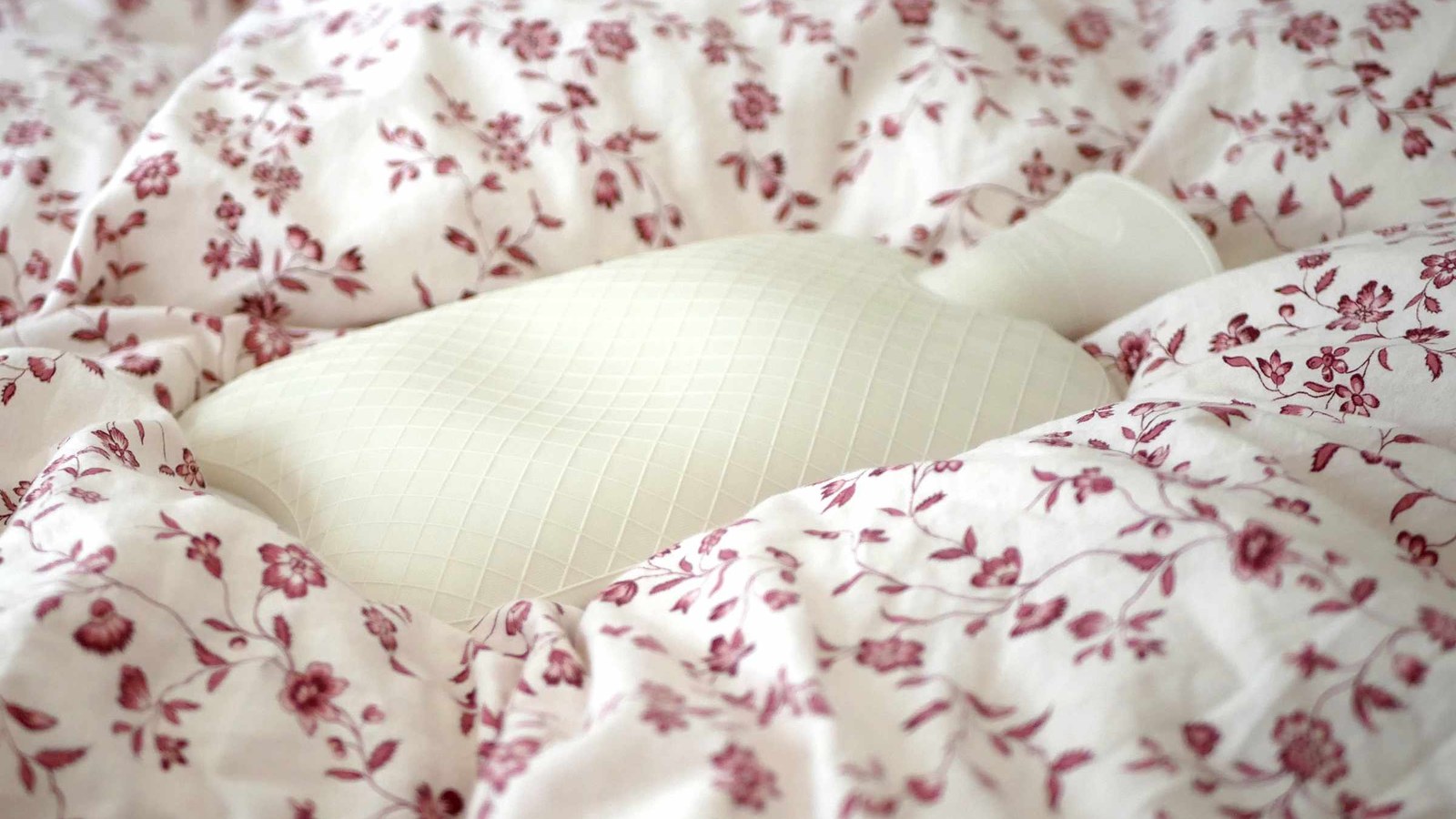
Featured image: “Hot water bottle for menstrual pain” by Vulvani, CC BY-SA 4.0, via Wikimedia Commons.
Sources
- NHS. PMS (premenstrual syndrome). https://www.nhs.uk/conditions/pre-menstrual-syndrome/
- ACOG. Premenstrual Syndrome (PMS) FAQ057. https://www.acog.org/womens-health/faqs/premenstrual-syndrome
- Cleveland Clinic. Premenstrual Syndrome (PMS): Symptoms & Treatment. https://my.clevelandclinic.org/health/diseases/24288-pms-premenstrual-syndrome
- Office on Women’s Health. Premenstrual syndrome (PMS). https://womenshealth.gov/menstrual-cycle/premenstrual-syndrome
- Pearce E, Jolly K, Jones LL, et al. Exercise for premenstrual syndrome: a systematic review and meta-analysis of randomised controlled trials. BJGP Open. 2020. https://pubmed.ncbi.nlm.nih.gov/32522750/
- Thys-Jacobs S, Starkey P, Bernstein D, Tian J. Calcium carbonate and the premenstrual syndrome. Am J Obstet Gynecol. 1998. https://pubmed.ncbi.nlm.nih.gov/9731851/
- Wyatt KM, Dimmock PW, Jones PW, O’Brien PMS. Efficacy of vitamin B-6 in the treatment of premenstrual syndrome: systematic review. BMJ. 1999. https://pubmed.ncbi.nlm.nih.gov/10334745/
- Robinson J, Ferreira A, Iacovou M, Kellow NJ. Effect of nutritional interventions on the psychological symptoms of premenstrual syndrome. Nutr Rev. 2025. https://pubmed.ncbi.nlm.nih.gov/38684926/
- Verkaik S, Kamperman AM, van Westrhenen R, Schulte PFJ. The treatment of premenstrual syndrome with preparations of Vitex agnus castus. Am J Obstet Gynecol. 2017. https://pubmed.ncbi.nlm.nih.gov/28237870/
- Csupor D, Lantos T, Hegyi P, et al. Vitex agnus-castus in premenstrual syndrome: a meta-analysis of double-blind randomised controlled trials. Complement Ther Med. 2019. https://pubmed.ncbi.nlm.nih.gov/31780016/