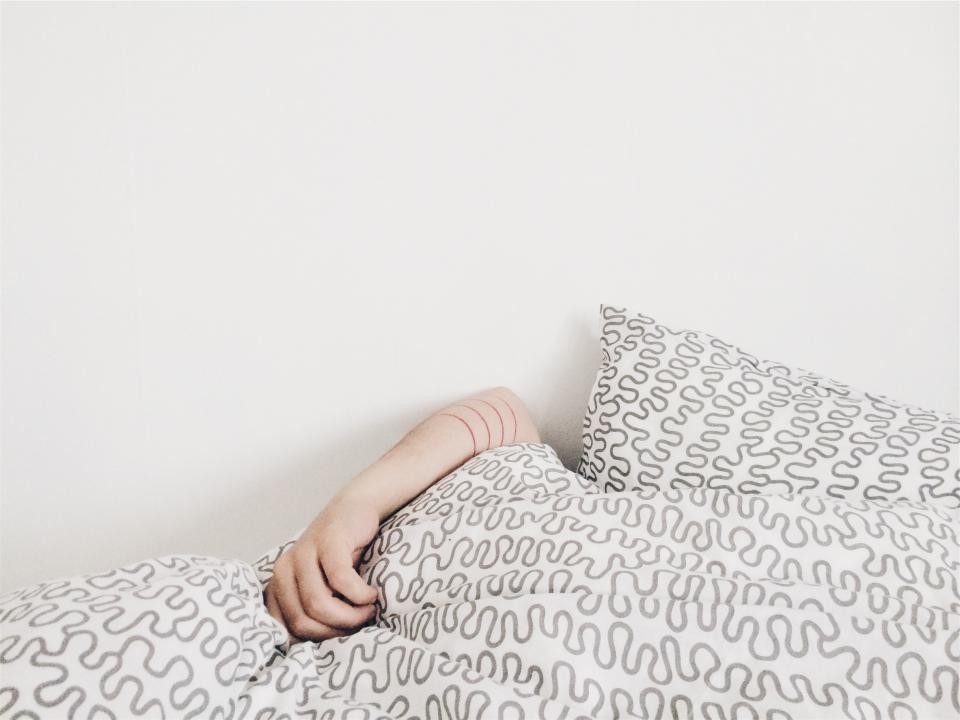
By late evening, your stress system is supposed to step back and let your body switch into rest mode. For many people the alarm never fully turns off, and sleep pays the bill. If you want to lower cortisol at night, you are working with the same hormone that runs the stress response and shapes your sleep-wake rhythm. Small evening habits can tip that balance back in your favor.
Key takeaways
- Cortisol follows a daily clock: levels are lower in the evening as you fall asleep and peak in the morning before you wake (Cleveland Clinic).
- Chronic sleep problems and night-shift schedules are linked to higher cortisol, so protecting sleep matters for stress (Cleveland Clinic).
- A wind-down routine that starts about an hour before bed gives your body the signal it needs to prepare for sleep (Cleveland Clinic).
- Deep breathing, gentle movement and laughter activate the rest-and-digest system, which helps bring cortisol down (Cleveland Clinic, Harvard Health).
Why cortisol should fall in the evening
Cortisol is made by your adrenal glands, the two small glands on top of your kidneys. It does more than run the stress response: it also helps regulate blood sugar, inflammation, blood pressure and your sleep-wake cycle (Cleveland Clinic). In most people, cortisol levels are lower in the evening when they go to sleep. They climb again overnight and peak in the morning right before waking, which is part of how your body pulls itself out of bed.
That rhythm is easy to take for granted until it breaks. When stress keeps cortisol elevated into the night, your body stays closer to alert mode and sleep gets harder to reach. Chronic insomnia and shift work can push cortisol higher still. That turns a bad sleep patch into a loop that willpower alone cannot break (Cleveland Clinic).
What keeps cortisol high at night
Some of the culprits are obvious, others quieter. Bright screens and overhead light late in the evening keep your brain guessing whether it is still day. Racing thoughts do the same by keeping the stress response switched on (Harvard Health). Irregular bedtimes add to the problem, because your internal clock learns from routine (Cleveland Clinic). Common evening saboteurs include:
- Bright screens and overhead lights that delay the brain’s nighttime signal.
- Worry and rumination that keep the stress pathway running after the day ends.
- Bedtimes and wake times that jump around, which confuses your circadian rhythm.
- Chronic sleep problems or shift work, both linked to higher cortisol.
Evening habits that help you lower cortisol at night
You do not need an elaborate ritual to lower cortisol at night; you need consistent signals that the day is over. Cleveland Clinic’s sleep specialists suggest starting your wind-down about an hour before bed. Choose from the habits that actually feel calming to you:
- Dim the lights and put screens away so your brain gets the evening signal.
- Read, journal, or listen to soft music instead of scrolling.
- Take a warm shower or bath, which helps your body cool down afterward.
- Try gentle stretching, bedtime yoga, or a few minutes of slow breathing.
- Keep the same bedtime and wake time, even on weekends.
- Do your small self-care steps in the same order each night so your body learns the pattern.
Breathing deserves a special mention. Slow, deep breathing stimulates the parasympathetic nervous system, the rest-and-digest branch, which is one of the most direct ways to help bring cortisol down (Cleveland Clinic, Harvard Health). And be patient: the aim is to lower cortisol at night over weeks of repetition, not to perform one perfect evening.
How sleep, stress and your cycle connect
This is where the cycle comes in. Heavy, lasting stress can delay your period because it disturbs the hormones that run ovulation, Cleveland Clinic explains, and chronic poor sleep is enough to keep cortisol elevated on its own. An evening routine is therefore not only about sleeping better; it is one of the few daily levers you control that touches the stress pathway your cycle depends on.
This is not a promise that perfect evenings equal perfect cycles, because cycles have many inputs. But when stress is the thing making your period late or your sleep shallow, calming the evenings is one of the more practical places to start.
When to talk to a healthcare provider
An occasional restless night is normal. It is worth a conversation when sleep stays broken for weeks, you regularly take more than 20 minutes to fall asleep, or you wake unrefreshed most mornings (Cleveland Clinic). The same goes for a cycle that keeps running late or skipping months while your sleep and stress stay off balance.
If your period has been missed three times in a row, or the lateness comes with weight changes, tiredness or unusual hair growth, see a GP (NHS). A clinician can separate stress-related delays from thyroid conditions, polycystic ovary syndrome and other causes that deserve their own treatment.
How Lail can help
Tracking sleep, mood and symptoms alongside your cycle can reveal patterns that stress hides. Lail is a private period companion that keeps everything on your phone, with no account and no cloud upload, and its Wawasan (Insights) section links food and activity suggestions to your cycle phase. Log how you slept, how stressed you felt, and when your period arrived, and the connections start to surface on their own. Download Lail from Google Play, visit lailapp.nayabisa.com, or browse our cycle and fertility guides.
FAQ
How long does it take to lower cortisol at night?
Cortisol responds to consistent habits rather than a single evening of effort. The science points to repetition: the same wind-down signals at roughly the same hour, night after night, which is how your circadian rhythm learns (Cleveland Clinic).
Does exercise at night raise cortisol and ruin sleep?
Gentle movement such as stretching or bedtime yoga can help you wind down, and regular physical activity is one of the ways to keep stress lower overall (Cleveland Clinic, Harvard Health). If you find that hard evening workouts leave you too wired to sleep, experiment with timing and see what your body tells you.
What time does cortisol peak in the morning?
Cortisol levels are typically lowest in the evening as you fall asleep and highest in the morning right before you wake, which helps pull you out of sleep (Cleveland Clinic). The exact peak time varies from person to person and shifts with your sleep schedule.
Can lowering evening cortisol really help my menstrual cycle?
Heavy, lasting stress can delay periods by disturbing the hormones that run ovulation (Cleveland Clinic). Since cortisol is the main hormone of that stress response, keeping evenings calm is one practical way to stop the stress pathway from running all night. If your cycle stays irregular, see a clinician rather than assuming stress is the whole story.
Disclaimer
This article is for educational purposes only and is not medical advice. Sleep patterns, stress levels and menstrual cycles vary from person to person. If you are concerned about chronic sleep problems, persistent stress, or irregular or missed periods, please consult a qualified healthcare provider.
Sources
- Cleveland Clinic – Cortisol: https://my.clevelandclinic.org/health/articles/22187-cortisol
- Cleveland Clinic – 8 reasons why your period is late: https://health.clevelandclinic.org/why-is-my-period-late/
- Cleveland Clinic – Sleep hygiene: 8 tips to improve sleep: https://health.clevelandclinic.org/sleep-hygiene
- Harvard Health – Understanding the stress response: https://www.health.harvard.edu/staying-healthy/understanding-the-stress-response
- NHS – 10 stress busters: https://www.nhs.uk/mental-health/self-help/guides-tools-and-activities/tips-to-reduce-stress/
Leave a Reply