Tag: menstrual health

  • The 4 Menstrual Cycle Phases, Explained Simply

    The 4 Menstrual Cycle Phases, Explained Simply

    School biology draws the cycle as a tidy circle divided into labelled segments, and real life rarely cooperates. Cycles drift, stretch and sometimes skip altogether. Understanding what each of the four menstrual cycle phases is doing makes those changes easier to read, and it makes the loose timing less alarming. The count starts on day 1, the first day of bleeding, and runs until the day before the next period begins.

    Key takeaways

    • Day 1 is the first day of real bleeding, so a cycle is counted from bleed to the day before the next bleed.
    • Anything from 21 to 35 days is treated as normal by the NHS, while the US Office on Women’s Health calls 24 to 38 days regular.
    • Ovulation is better pinned to the next period, about 14 days before it starts, than to day 14 of the current cycle.
    • The luteal phase is the steady part at roughly 12 days, while the follicular phase is the one that stretches or shrinks.
    • Patterns across the four menstrual cycle phases are easier to see after two or three logged cycles than on any single day.

    How cycle days are counted

    Day 1 is the first day of proper bleeding, not the light spotting that sometimes comes before it. The cycle ends the day before the next period begins, so a 28-day cycle runs 28 days from bleed to bleed. Every phase boundary is measured against that definition.

    What counts as normal depends on who you ask. The NHS describes periods arriving anywhere from every 21 days to every 35 days, while the US Office on Women’s Health calls 24 to 38 days regular and notes that length often differs from month to month. Both are working definitions from different populations rather than one true range.

    The average of 28 days is a convenient round number, not a rule. In a study of 612,613 ovulatory cycles logged through an app, the mean was 29.3 days, and length varied from person to person. No calendar month matches the four menstrual cycle phases, so logging your own start dates for a few months tells you more than the textbook figure.

    The four menstrual cycle phases, in order

    Two hormones do most of the driving, and each of the four menstrual cycle phases is defined by what estrogen and progesterone are doing. The boundaries between them are soft, which is why two people with the same 28-day cycle can feel completely different at day 20.

    Days 1 to 5: the menses phase

    The cycle begins with bleeding because a pregnancy did not happen, so the lining built for it is no longer needed. Estrogen and progesterone fall to their lowest levels, the lining sheds, and most people bleed for three to five days, though anything from three to seven days is usually nothing to worry about. Bleeding is heaviest on the first two days and lightens after that. If your periods produce large clots or soak through protection quickly, our guide to period blood clots explains where the line sits.

    The follicular phase: rebuilding the lining

    This stretch overlaps with your period and finishes at ovulation, which makes it the longest and least predictable part of the cycle. Estrogen climbs, follicle-stimulating hormone wakes a group of follicles in the ovaries, and by roughly days 10 to 14 one of them has produced a mature egg.

    In the 612,613-cycle study the follicular phase averaged 16.9 days but ranged from 10 to 30. Because the second half of the cycle stays fairly fixed, a late period is usually a late ovulation. Rising estrogen is also why energy tends to come back around this point, the idea behind training with the follicular phase.

    Ovulation: the egg leaves

    Around the midpoint, a surge of luteinizing hormone makes the ovary release its egg, and that is ovulation. In a textbook 28-day cycle it lands near day 14, which is where the famous number comes from. Clinically it is better anchored to the period that follows, since the NHS says ovulation pain typically shows up about 14 days before a period.

    The egg survives roughly 12 to 24 hours, while sperm can live in the uterus for three to five days, so the days before ovulation are the ones that count for conception. The signs are subtle, and tracking them without an app is possible but takes practice.

    The luteal phase: the steady stretch

    After the egg is released, the empty follicle becomes the corpus luteum and starts producing progesterone. That hormone keeps the uterine lining thick and calm in case a fertilised egg implants. If it does not, both hormones drop, the lining comes away, and the next cycle begins. This stage is the most consistent of the four menstrual cycle phases: in the same large study it averaged 12.4 days, with a range of 7 to 17.

    What the phases usually feel like

    Articles about the four menstrual cycle phases often describe them as four moods, running from motivated to miserable. Diary studies support something smaller and more individual. In one prospective study, 22 naturally cycling participants and 18 pill users logged symptoms and gave daily saliva samples for 28 days. Hormone levels did track with energy, agitation and feelings of attractiveness, and progesterone showed the largest effect, but 22 people is a thin sample to generalise from.

    Premenstrual symptoms are common and well documented. The Office on Women’s Health lists cramping, headaches, moodiness, forgetfulness, bloating and breast tenderness, all of which tend to build before bleeding starts and ease once it does. Asthma and irritable bowel symptoms can shift with the cycle too, so a rough week is not automatically hormonal. There is more in our Cycle & Fertility archive if you want to go deeper.

    Keeping your own record beats trusting a chart. Note your bleeding days, energy and mood for two or three cycles and the pattern will surface on its own, including the stretch where you need more rest. If you want to eat around the cycle, our phase-by-phase food guide covers what tends to help at each stage.

    When to see a doctor

    NHS guidance separates what can wait from what should be checked. Bleeding between periods, bleeding after sex, or any bleeding after menopause should be looked at by a doctor, and so should a cycle that has changed and stayed changed. See a GP if you have missed three periods in a row and a pregnancy test is negative. Severe pain or bleeding that makes you miss work or school is treatable, so raise it rather than push through it.

    How Lail can help

    Lail is our own period tracker for Android, built around one idea: your data stays on your phone, with no account and no cloud sync. You can log bleeding, symptoms, mood and weight, then watch your own phases line up over a few months instead of comparing yourself to a diagram. Premium adds a PDF export that is genuinely useful to bring to an appointment. Lail is on Google Play, and the rest of our apps are listed on the products page.

    Is ovulation always on day 14?

    No. Day 14 is the average for a 28-day cycle and nothing more. Ovulation is better estimated as about 14 days before the next period, which is why the date slides when a cycle runs longer or shorter.

    Which phase leaves you most tired?

    The last days of the luteal phase and the first days of bleeding are when energy usually dips, because estrogen and progesterone are both falling. That pattern is common, but the four menstrual cycle phases do not come with fixed moods. If tiredness is severe or comes with heavy bleeding, ask a doctor about checking your iron levels.

    How long should a period last?

    Two to seven days, with about five being typical, according to the NHS. Total blood loss usually falls between 20 and 90 ml, and bleeding is heaviest on the first two days. If your periods have been getting longer or heavier than your normal, that is worth a conversation with a GP.

    Can I use a tracking app to avoid pregnancy?

    Do not rely on it. An analysis of 543,167 cycles found calendar-based tracking flagged at least one fertile day as safe in 67% of cycles, with an estimated pregnancy risk of 22%. If you are trying to avoid pregnancy, use a method with proper evidence behind it.

    This article is educational and does not replace advice from a qualified healthcare professional. If something about your cycle worries you, talk to a doctor.

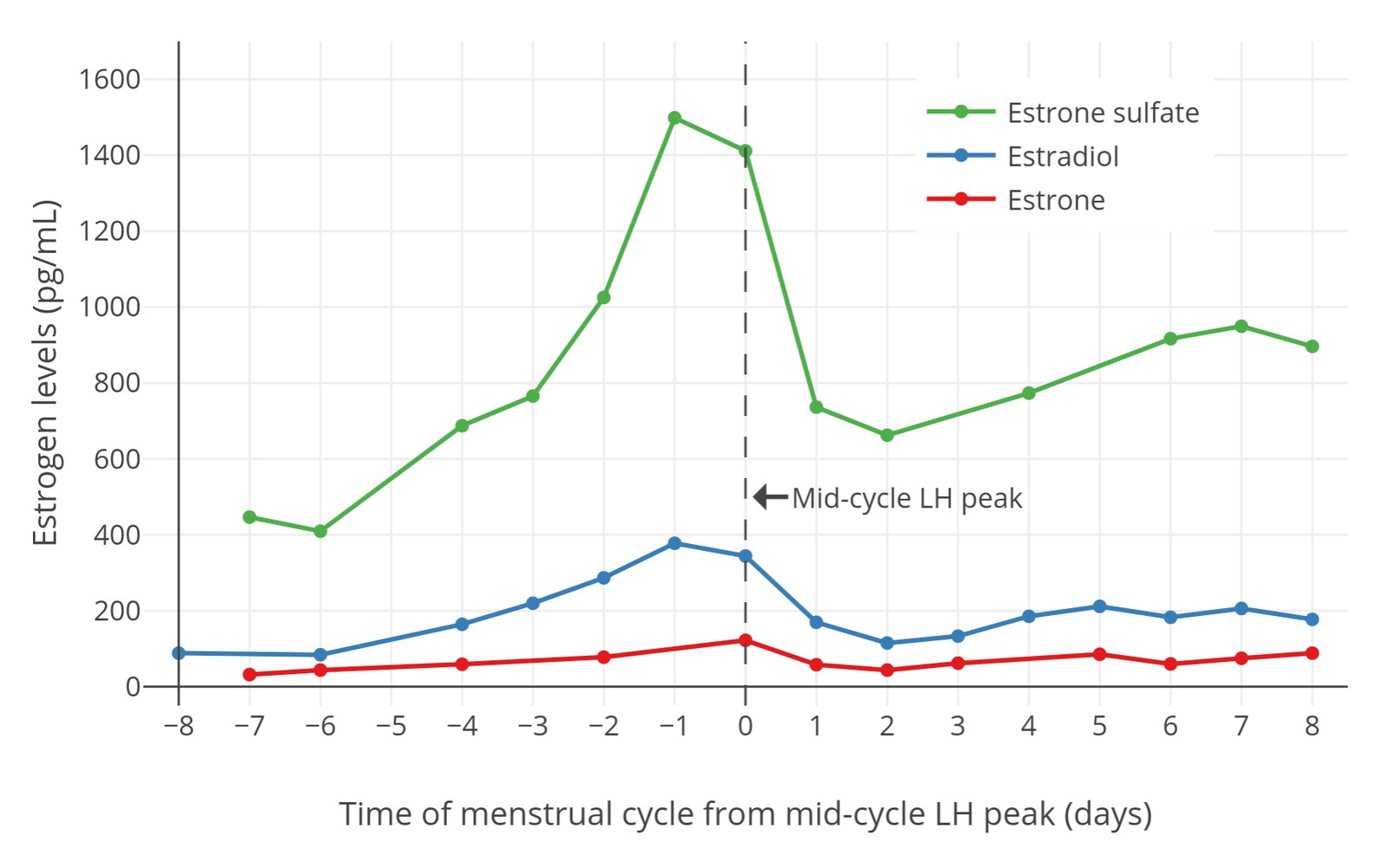
    Featured image: estradiol, estrone and estrone sulfate levels across the normal human menstrual cycle, by Medgirl131 via Wikimedia Commons, licensed under CC BY-SA 4.0.

    Sources

  • Period Blood Clots: What’s Normal and When to Ask

    Period Blood Clots: What’s Normal and When to Ask

    There is a moment in most cycles when what lands on the pad stops looking like a liquid and starts looking like something solid. Nobody explains it in advance, so it is easy to jump to the worst conclusion. Period blood clots are a normal part of a heavy flow, and the useful questions are how big they get and how often they appear. Knowing that turns a frightening sight into something you can measure.

    Key takeaways

    • Clots form when the flow is fast enough that the uterus cannot dissolve the fibrin mesh inside the blood.
    • Small clots on your heaviest days are common and are not a problem in themselves.
    • Period blood clots the size of a quarter or larger, more than once or twice a day, are one of the standard signs of heavy menstrual bleeding.
    • Heavy bleeding is worth investigating mainly because it can slowly drain your iron stores.
    • What feels like a very heavy period does not always match what gets measured, so track the details rather than the feeling.

    What period blood clots actually are

    Blood from a cut turns into a gel because fibrin forms a mesh through it. Menstrual blood usually does not, since the lining of the uterus is full of enzymes that dissolve that mesh as fast as it forms. When the flow is heavy, the dissolving system cannot keep up and some blood arrives already clotted.

    At the same time, the uterus is working to stop the bleeding. Platelets clump at the exposed vessels, fibrin is deposited, and the muscle of the womb contracts to squeeze those vessels shut. A 2026 review of menstrual haemostasis notes that the flow conditions at the tiny spiral arteries which bleed during a period have never been measured directly, so the balance is still described in models.

    One piece of this has been tested. Women with heavy bleeding do not break down clots faster in their bloodstream, which is why heavy periods are treated as a local problem in the endometrium rather than a clotting disorder.

    What a normal amount of clotting looks like

    The heaviest days are the ones that produce clots. NHS guidance describes a typical period as lasting 2 to 7 days, usually about 5, with the flow heaviest in the first 2 days and a total loss of roughly 20 to 90ml, or about 1 to 5 tablespoons.

    The size thresholds used by clinicians all point the same way. NHS guidance flags clots larger than about 2.5cm, the size of a 10p coin, as one sign of heavy periods. The American College of Obstetricians and Gynecologists describes menstrual flow with blood clots as big as a quarter or larger. Cleveland Clinic lists clots the size of a quarter or bigger more than once or twice as a sign of heavy menstrual bleeding.

    The size of your period blood clots is the detail worth noticing, more than their colour or texture. Smaller clots, appearing once or twice on your heaviest day, do not feature on any of those lists.

    When period blood clots are worth checking

    Period blood clots are a sign to act on when they come with a flow that disrupts your life. Any of these patterns is worth an appointment:

    • Soaking through a pad or tampon every hour for several hours in a row.
    • Needing a pad and a tampon together, or changing a pad every 1 to 2 hours.
    • Bleeding that lasts longer than 7 days, even when the period blood clots themselves are small.
    • Bleeding through to your clothes or bedding, or avoiding plans because of your period.

    Heavy bleeding is not rare. About one third of women seek treatment for it, and Cleveland Clinic puts the share of people who menstruate affected by it between 27% and 54%.

    What matters is the blood loss rather than the clotting itself. Losing more blood than your body replaces can drain your iron stores and lead to iron deficiency anaemia, which shows up as tiredness, shortness of breath and a faster heartbeat. Feeling weak and dizzy during your period is often the first visible sign of that iron dip. Avoiding exercise during your period is itself on the NHS list of signs, so putting your training on hold is a symptom rather than a solution.

    What can cause larger clots

    Most large clots are the visible end of a heavy flow. Fibroids, adenomyosis, endometriosis and polycystic ovary syndrome all appear on the standard lists, along with thyroid problems and, in the first year of use, the copper intrauterine device.

    Inherited bleeding disorders are the cause that gets missed most often. Von Willebrand disease and platelet function disorders can present as nothing more than heavy periods, and a 2026 study of 235 teenage girls treated for iron deficiency anaemia found that 40.9% screened positive for von Willebrand disease after their iron levels were corrected.

    Medicines can do it too, since blood thinners and aspirin increase menstrual bleeding. Heavy periods are also common in the years approaching menopause, when cycles become less predictable.

    A small number of cases have a more serious cause. NHS guidance notes that heavy periods can rarely be a sign of womb cancer, and ACOG lists ectopic pregnancy and miscarriage among the causes.

    Why “it looks like a lot” is not the same as a lot

    How alarming your period blood clots look and how much blood you actually lose do not line up as neatly as you would expect. In a 2025 study, 79 people who described their periods as heavy had their loss measured, and the median was 66ml, with only about a quarter passing the 120ml threshold that defines heavy bleeding. Pad counts told a similar story: the heavy group used a median of 21.5 pads per cycle but still overlapped with those whose measured loss was normal.

    That cuts both ways. Some people who dread their periods are bleeding inside the normal range, while others who think theirs are manageable lose more blood than they realise. A 2026 validation study found a photo-based method matched the laboratory standard closely enough to detect heavy bleeding with 100% sensitivity and 93.5% specificity.

    How to track period blood clots before your appointment

    It helps to bring numbers rather than adjectives. ACOG advises using a calendar or a period-tracking app to record several cycles before your visit, including the dates your period started, how long the bleeding lasted and whether the flow was light, medium or heavy. Cleveland Clinic adds the details that change what happens next: cramping, any bleeding between periods and any large clots you passed.

    Three things are worth logging: the largest clot you passed, measured against a coin, the number of pad or tampon changes on your heaviest day, and how many days the bleeding lasted. If you would rather not hand your cycle history to a company, a private tracker keeps the log on your phone, which is the same information your doctor needs. There is more on cycle symptoms in our Cycle and Fertility archive.

    When to see a doctor

    Book a routine appointment if your periods have been heavy for a while, if they interfere with work, exercise or sleep, if you have severe pain, or if you bleed between periods or after sex. Post-menopausal bleeding always needs checking, and so does bleeding that is heavier than anything you have had before.

    Seek urgent care rather than waiting if you are soaking through pads very quickly, if you feel faint, dizzy or breathless, or if you have severe pain that painkillers are not touching. If you are pregnant or might be, heavy bleeding with period blood clots should be assessed urgently.

    How Lail can help

    Lail is our own period tracker, built for exactly the kind of record a doctor asks for. It logs flow, symptoms, mood and weight, and keeps everything on your phone with no account and no cloud sync. Premium adds a PDF export you can take to an appointment, and the app is free to download with ads. Lail is on the Play Store, and you can see it with the rest of our apps on our products page.

    Frequently asked questions

    Are period blood clots normal?

    Period blood clots are common, especially on your heaviest days, and a small one now and then is not a medical problem. What makes them worth checking is size and repetition rather than their presence. Clots around the size of a quarter, arriving more than once or twice a day, count as a sign of heavy menstrual bleeding.

    How big is too big for a clot?

    NHS guidance draws the line at about 2.5cm, roughly the size of a 10p coin, and ACOG uses a quarter as its comparison. Period blood clots that reach that size several times a day are worth mentioning to a doctor. One small clot on day one is a different situation entirely.

    Can large clots mean a miscarriage?

    Clots can be passed during a miscarriage, and heavy bleeding in early pregnancy is a reason to seek care the same day. That does not make every clot a sign of pregnancy loss, since fibroids, adenomyosis and plain heavy flow explain most of them. If you might be pregnant, treat large clots with pain as urgent.

    Do clots mean I have a bleeding disorder?

    Usually not, but bleeding disorders are under-diagnosed and heavy periods are often their only visible sign. Von Willebrand disease is the most common inherited one, and it turns up more often when a bleeding history is combined with a record of menstrual loss. That is one reason the clot sizes you note down are useful rather than fussy.

    This article is educational only and is not medical advice. Cycle patterns vary widely, and only a qualified healthcare provider can assess your symptoms or decide whether you need tests.

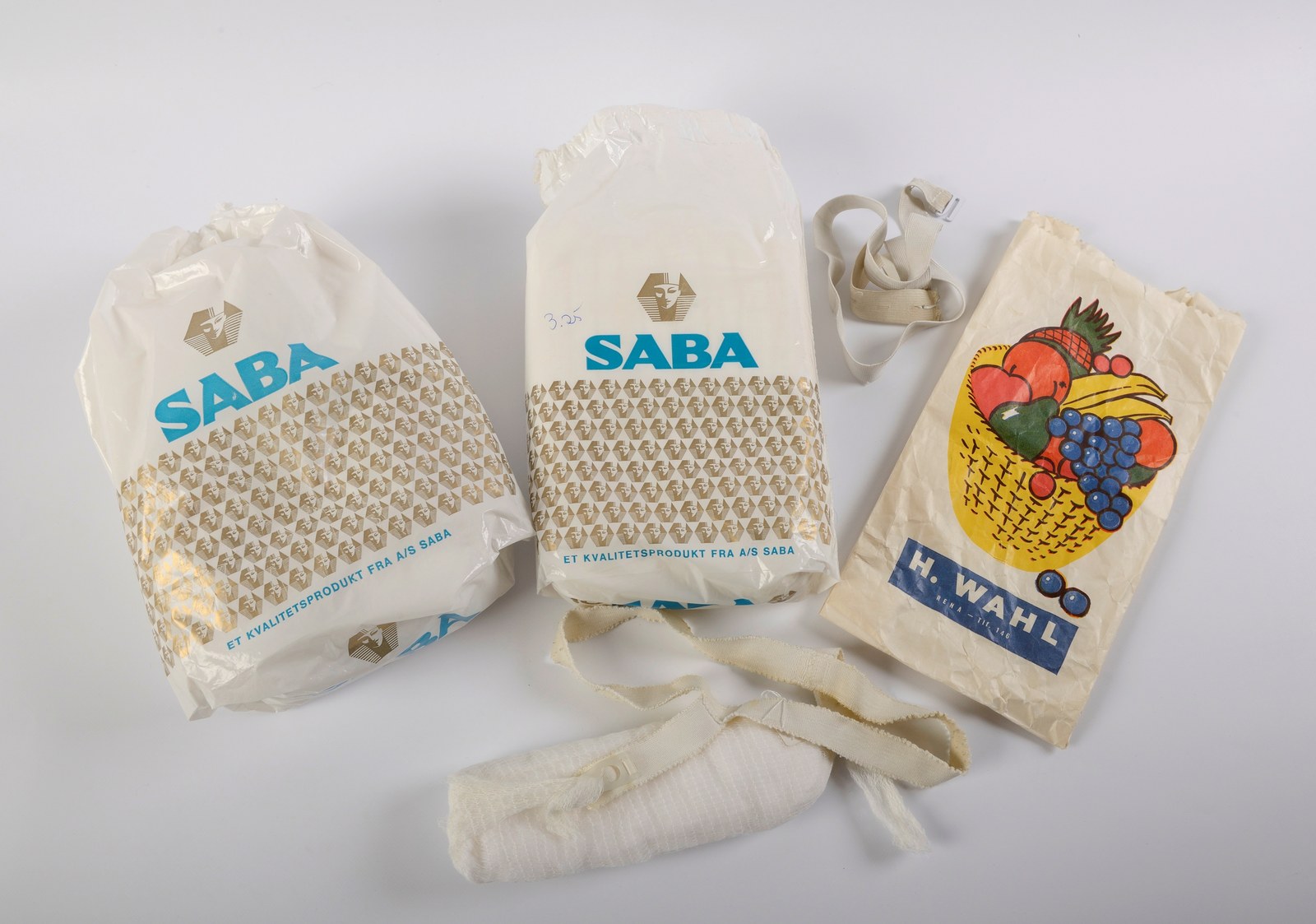
    Featured image: “SABA damebind” by Geir Ove Andreassen / Anno Kvinnemuseet, CC BY-SA 4.0, via Wikimedia Commons (https://commons.wikimedia.org/w/index.php?curid=98467535).

    Sources

  • Ginger and Chamomile Tea for Period Cramps: What the Research Shows

    Ginger and Chamomile Tea for Period Cramps: What the Research Shows

    Movements you would normally shrug off can feel like a lot on day one. Every instinct says stay still until it passes. Ginger and chamomile are the two herbs most often suggested as tea for period cramps, and both have clinical trials behind them. The harder question is how much of the relief comes from the herbs, and how much from a warm mug and five quiet minutes.

    Key takeaways

    • Ginger beat placebo for period pain in two separate meta-analyses, and matched NSAIDs for pain intensity in one of them.
    • Chamomile has a thinner evidence base: a 2021 review of seven trials found it eased pain and bleeding, but the trials were small.
    • Cochrane rates the whole field as low or very low quality, mainly because the studies enrolled few women.
    • Neither tea replaces heat, ibuprofen, or a diagnosis when pain interferes with your day.
    • Chamomile can trigger allergic reactions in people sensitive to ragweed and daisies, and may interact with warfarin and birth control pills.

    Why cramps happen at all

    Cramps come from prostaglandins, chemicals your uterus releases to help it shed its lining. Higher levels mean stronger contractions. Those levels peak just before bleeding starts, then fall over the following days.

    That timing explains why day one and day two usually hurt more than the rest of your period. Anything that lowers prostaglandin activity, including ibuprofen, tends to lower the pain.

    What the research says about ginger

    Ginger tea for period cramps is the version most people reach for, and ginger has the stronger evidence of the two herbs. A 2024 meta-analysis in the Journal of Integrative and Complementary Medicine pooled 12 studies. It found ginger reduced pain intensity compared with placebo, with a standardized mean difference of -1.13.

    The same review found no meaningful difference between ginger and NSAIDs for pain intensity. Its authors also noted that safety data were rarely reported, which is a gap rather than a green light.

    An earlier meta-analysis in Cureus looked at five placebo-controlled trials and two head-to-head trials against NSAIDs. It reported that ginger eased menstrual pain more than placebo, with a mean difference of 2.67 points on the pain scale.

    Ginger and NSAIDs came out roughly equal for pain severity. That review found no clear effect on how long the pain lasted, and it flagged high statistical heterogeneity across the pooled studies.

    What the research says about chamomile

    Chamomile tea for period cramps rests on smaller studies. A 2021 systematic review in the International Journal of Community Based Nursing and Midwifery examined seven clinical trials. Together they covered 1,033 participants.

    The authors concluded that chamomile can be considered effective for period pain and for reducing menstrual bleeding. The proposed mechanism is the one that made it a traditional antispasmodic: chamomile extract appears to cut prostaglandin and leukotriene production.

    A 2025 randomized trial tested a chamomile and L-theanine drink taken daily for five days around the start of a period. Participants reported reductions of roughly 57 percent on a visual analogue pain scale. That drink was not plain chamomile tea, and it had only 15 people per group. Read the result as promising for a chamomile-based drink, not as proof for the teabag in your cupboard.

    How to make tea for period cramps at home

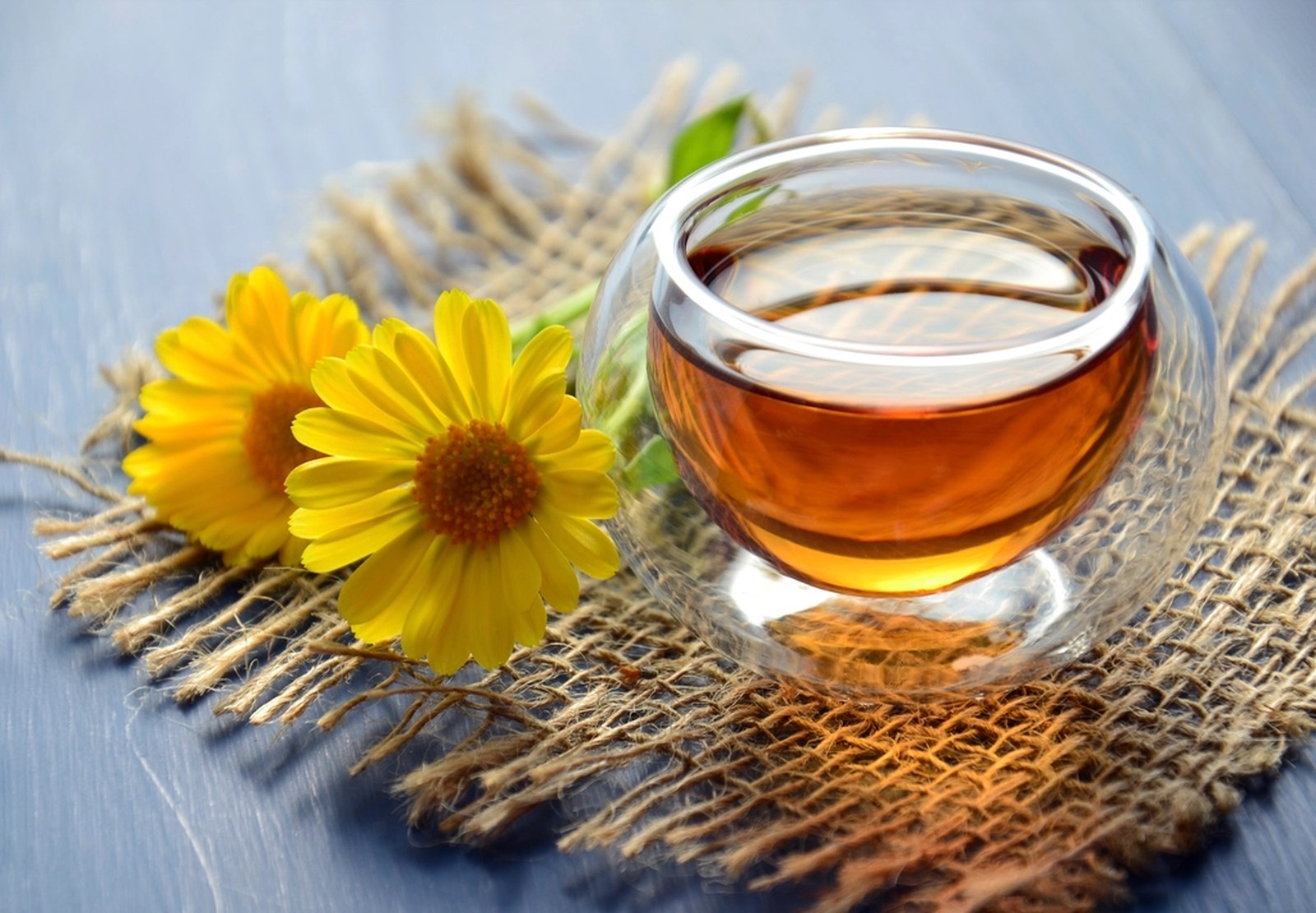
    No trial tested one standard cup, so there is no research-backed recipe to copy exactly. What the studies used was a range: capsules, ginger powder, and brewed drinks, taken across the first few days of bleeding. For the tea version, steep a teaspoon or two of dried ginger, or a chamomile teabag, in hot water for five to ten minutes. Ginger is sharp, so start mild and see how your stomach answers.

    Tea works best as part of the routine the NHS already recommends, not as a swap for it. That routine is a warm bath or shower, a heat pad wrapped in a towel against your tummy, a gentle massage, and some light exercise. If walking is your version of light exercise, the pacing matters more than the distance.

    Who should be careful with these teas

    Chamomile is likely safe at the amounts found in tea and food, according to the National Center for Complementary and Integrative Health. The same page flags a real risk of allergic reactions, including severe ones, in people allergic to ragweed, chrysanthemums, marigolds or daisies. It also reports interactions between chamomile and warfarin and some drugs processed by the liver.

    Preliminary findings suggest chamomile may reduce the effectiveness of birth control pills. It may also worsen conditions that are sensitive to estrogen, such as breast or uterine cancer.

    Ginger’s common side effects are digestive: abdominal discomfort, heartburn, diarrhoea, and irritation of the mouth and throat. That matters more if you already get reflux or have a sensitive stomach. Both NCCIH pages carry the same instruction, which is to talk to a healthcare provider before using either herb if you take any medication.

    What tea cannot do

    Cochrane’s 2016 review of dietary supplements for period pain is the honest counterweight here. It included 27 randomized trials covering 3,101 women, and judged all of the evidence to be low or very low quality. Most studies were small, ran in a single country, and recruited students in their late teens or early twenties.

    The reviewers pointed to tiny sample sizes, missing methods, and inconsistent results. Ginger and chamomile tea for period cramps are reasonable extras alongside proven basics. They are not a treatment plan.

    When to see a doctor

    Period pain is common, and pain that stops you living normally is not something to push through with another cup of tea. Ask for an urgent GP appointment or call NHS 111 if your pain is severe or worse than usual and painkillers have not helped. Book a routine appointment if your periods become more painful, heavier or irregular, or if you bleed between periods.

    Pain during sex or when going to the toilet also needs a doctor rather than a herbal remedy. Endometriosis, adenomyosis, fibroids and pelvic inflammatory disease all cause painful periods, and an IUD can cause cramps for the first three to six months after it is fitted.

    How Lail can help

    Tea is easier to time when you know your period is coming. Lail is a private period tracker for Android that keeps your cycle, symptoms, mood and weight on your own device, with no account and no cloud backups. Its insights also suggest foods for the phase you are in, which helps when you are working out what to drink and eat across the week.

    Seeing which days you usually cramp lets you plan heat and a hot drink before the pain peaks. Lail is free with ads, and a premium tier of around Rp10,000 a month adds PDF export. You can also get it on Google Play.

    FAQ

    Does ginger tea work as well as ibuprofen?

    In one meta-analysis, ginger and NSAIDs came out roughly equal for pain severity across the pooled trials. Those trials were small and inconsistent, so treat that as encouraging rather than settled.

    How much ginger tea should I drink for cramps?

    No trial has settled on a single amount, and the reviews note that safety data were rarely reported. Start with a normal cup and see how you feel instead of chasing a therapeutic dose on your own.

    Can I drink ginger and chamomile together?

    No trial has tested a blend of the two, so nobody can say whether combining them adds anything. Drinking them on separate days is the simpler way to notice which one helps you.

    When is tea the wrong first move?

    If the pain is severe, getting worse each cycle, or stopping you from working or studying, tea is not the answer you need. That pattern deserves a doctor, because conditions such as endometriosis and fibroids need treatment.

    This article is educational and is not medical advice. Talk to a doctor or pharmacist about your own symptoms, and check with them before using herbal remedies alongside any medication.

    Sources

  • Spicy Food on Your Period: Does It Make Cramps Worse?

    Spicy Food on Your Period: Does It Make Cramps Worse?

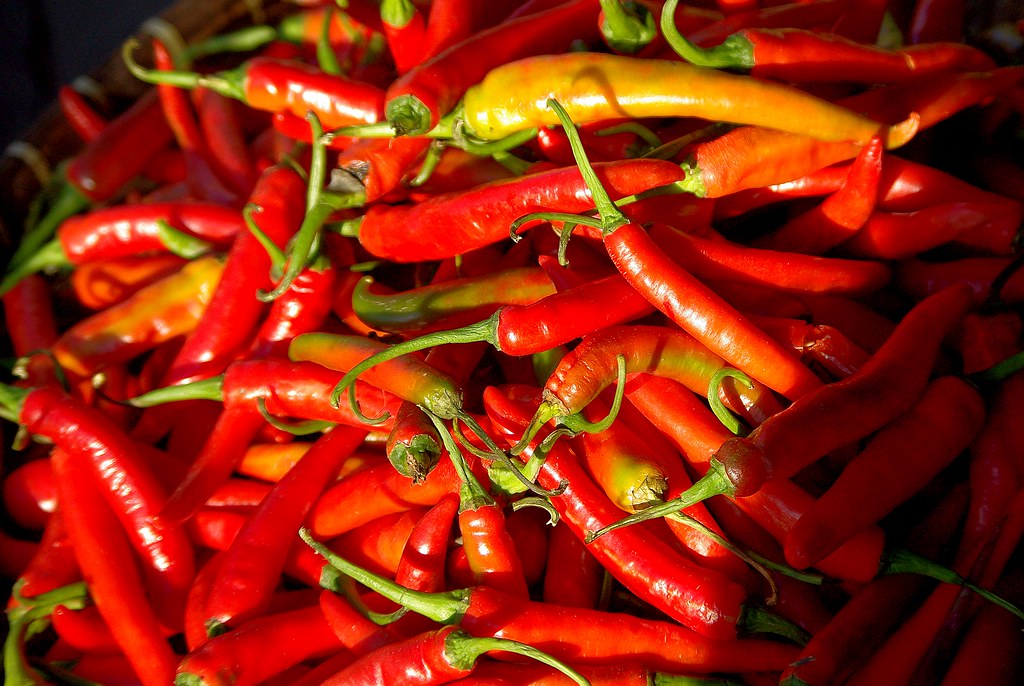
    Sriracha on the eggs, a chilli-laced lunch, and then an evening curled around a hot water bottle with a stomach that will not settle. Lots of people have that experience once and decide the two things do not mix. The truth is that spicy food on your period is not automatically a problem, but it helps to know what your gut is doing and why.

    Two suspects get blamed for the same crime, and they are worth separating. One is the chemical behind your cramps. The other is a compound in chilli that your gut can genuinely feel.

    Key takeaways

    • Period cramps come from prostaglandins, a chemical your body releases to shed the uterine lining, not from what you ate.
    • There is no good evidence that chilli changes your cycle length, flow or hormone levels.
    • Spicy food on your period can irritate a gut that is already sensitive, which is how bloating, heartburn or loose stools creep in.
    • If you have reflux, IBS, gastritis or a stomach ulcer, giving the heat a miss for a few days is the sensible move.
    • Heat, gentle movement, fluids and anti-inflammatory painkillers are the things actually shown to ease period pain.

    What is really causing the pain

    Menstrual cramps happen when a chemical called prostaglandin makes your uterus contract. Levels rise just before your period starts and fall again once bleeding begins, which is why the worst of it usually lands in the first 24 to 48 hours.

    Those prostaglandins do not stay in your uterus. Cleveland Clinic lists nausea, dizziness, headaches, fatigue and diarrhoea among the other symptoms that turn up alongside the cramping, so a churning stomach is part of the package for many people, spice or no spice.

    How much pain you get is not something diet alone decides. Researchers think higher prostaglandin levels play a role, but they are not certain why some people get severe cramps while others barely notice them. About 60% of people with a uterus have mild cramps during their period, and around 5% to 15% report pain severe enough to disrupt daily life.

    Does chilli affect your cycle at all?

    Nothing in the research suggests that eating spicy food delays a period, makes the flow heavier or shifts your hormones. Cycle length and flow are driven by your reproductive hormones, and capsaicin does not interfere with them.

    Most of what people blame on chilli during their period is a stomach problem stacked on top of a period problem, rather than a change to the cycle itself.

    The closest thing to direct evidence is small. A case-control study published in the Nigerian Medical Journal in 2026 compared 40 young women with primary dysmenorrhoea against 33 without it. The group with painful periods reported eating more spicy food and drinking more tea and coffee, and fewer fruits and vegetables.

    That study cannot tell you whether the diet came first or the pain did. It followed 73 people and relied on what they remembered eating, which is exactly the kind of design that turns up associations without proving cause. Treat it as a thread worth pulling, not a verdict on your dinner.

    Why spicy food on your period can hurt your stomach

    The short answer is that two irritants meet in the same place. Capsaicin, the compound that gives chilli its heat, is the first one. Your mouth adapts to it fairly quickly, but the rest of your digestive tract has no such talent, and Cleveland Clinic notes that overdoing it can cause diarrhoea.

    Bloating is the second half of the problem. NHS guidance notes that some people feel bloated around the time of their period, and a full, gassy abdomen has less tolerance for anything aggressive. Add heartburn and you have a fairly complete explanation for the ache.

    On heartburn, the NHS is direct: spicy food is listed among the things that can cause or worsen acid reflux, alongside coffee, tomatoes, chocolate, alcohol and fatty food. None of that makes chilli dangerous. It makes it a poor companion for a week when your gut is already complaining.

    When it is worth skipping the heat

    For most people there is no reason to ban anything. If chilli has never given you trouble at other times of the month, spicy food on your period will probably behave the same way it always does, and there is nothing to fix.

    There are exceptions. If you have acid reflux or GORD, irritable bowel syndrome, gastritis or a stomach ulcer, taking a few days off the heat is the low-risk call, because your gut is working with less margin than usual. The same advice applies if you have noticed chilli giving you loose stools or cramps at any point in your cycle. Your own track record beats a general rule.

    If you want warmth without the burn, ginger and black pepper do the job. Ginger shows up on Cleveland Clinic’s list of anti-inflammatory foods that people use for period pain, along with leafy greens, nuts and green tea.

    What actually helps with period pain

    • Heat is the most reliable home remedy: a hot water bottle or heat pad on your lower back or abdomen, or a warm bath, is what both the NHS and Cleveland Clinic reach for first.
    • Anti-inflammatory painkillers such as ibuprofen or naproxen lower prostaglandin levels, and Cleveland Clinic advises taking them as soon as cramping starts.
    • Gentle movement helps, and people who walk, swim, cycle or practise yoga regularly tend to report less menstrual pain.
    • Massaging your lower back and abdomen is worth ten minutes of your evening.
    • Keep fluids up, because diarrhoea and sweating both cost you water and dehydration makes an already uncomfortable body feel worse.
    • Cut back on caffeine and alcohol for a few days and skip cigarettes entirely, since the NHS notes that cutting down on alcohol and not smoking may ease period pain.

    If you want a wider view of what to eat across the month, we put together a phase-by-phase food guide for your period. The same logic about irritants applies to fizzy drinks, which we covered in can soda affect your period.

    When to see a doctor

    Some patterns deserve a proper look rather than a tweak to your dinner.

    Ask for an urgent appointment if your pelvic or period pain is severe, or worse than usual, and painkillers have not helped. Book a routine appointment if your periods become more painful, heavier or irregular, if the pain stops you doing your usual daily activities, if you have pain during sex or when you pee or poo, if you bleed between periods, or if you notice a swollen tummy, loss of appetite or weight loss you did not intend.

    How Lail can help you spot your own patterns

    General advice can only take you so far, because the only data that matters is yours. Lail is a private period tracker for Android that lets you log symptoms, mood and weight, and it keeps all of it on your own device with no account and no cloud backup. That matters here, because you can look back over two or three cycles and see whether your stomach genuinely reacts worse to chilli in the days before your period, or whether it happens all month. You can get Lail for free on the Play Store.

    Frequently asked questions

    Can you eat spicy food on your period?

    Yes, for most people. If spicy food on your period has never given you trouble, there is nothing to fix. You only need to adjust if you have a reflux, IBS or ulcer diagnosis, or if you have noticed a repeat pattern of stomach pain, loose stools or heartburn after spicy meals.

    Does spicy food make your period heavier or later?

    No. Cycle length, flow and hormone levels are driven by your reproductive hormones, and there is no evidence that chilli interferes with them. If your period is unusually late or heavy, look at other causes first, including stress and illness.

    Why does my stomach hurt when I eat spicy food during my period?

    Because two things are happening at once. Capsaicin irritates the gut lining, and the prostaglandins behind your cramps have your bowel more reactive than usual. Period-related bloating adds pressure on top, so your stomach complains louder than it would in any other week.

    Does spicy food cause period cramps?

    No. Cramps come from prostaglandins making your uterus contract. Chilli does not trigger those contractions, and no study has shown that it does. What chilli can do is make an already uncomfortable abdomen feel worse.

    Is spicy food off-limits if I have endometriosis or PCOS?

    There is no specific rule about chilli for either condition. Pain in endometriosis and PCOS can come from sources other than prostaglandins, so a doctor is the right person to ask about your triggers. A symptom log gives you something concrete to bring to that conversation.

    Disclaimer

    This article is educational and is not medical advice. Period pain, digestion and diet interact differently for every person, so speak to a qualified healthcare provider about your own situation, especially before changing how you manage pain.

    Sources

  • Weak and Dizzy During Your Period: How Iron and Spinach Help

    Weak and Dizzy During Your Period: How Iron and Spinach Help

    One morning you stand up from the sofa, the room tilts, and you hold the wall until it settles. Your legs feel heavy while your head feels oddly light. When that happens around your bleed, the reason is usually plain: menstrual blood carries iron out of your body, and if you lose more than you replace, you can end up feeling dizzy during your period. Spinach and other iron-rich foods help, but how you eat them matters as much as how much you eat.

    Key takeaways

    • Iron carries oxygen in your blood, so losing it through heavy bleeding can show up as tiredness, breathlessness and a floating, light-headed feeling.
    • Women aged 19 to 49 need about 14.8 mg of iron a day, more than men of the same age need.
    • Spinach supplies non-heme iron, the plant form your body absorbs less easily than the iron in meat, poultry and fish.
    • Vitamin C eaten with spinach helps absorption, while tea, coffee and dairy make iron harder to take in.
    • Dizziness that arrives with fainting, chest pain or breathlessness at rest is a reason to see a doctor.

    Why iron loss can make you dizzy during your period

    Iron is a building block of hemoglobin. That is the protein in red blood cells which carries oxygen from your lungs to the rest of your body. When iron runs low, hemoglobin falls with it, and every tissue gets a little less oxygen than it expects. The warning signs are easy to dismiss because they are vague: feeling flat, getting breathless on stairs, and a head that swims when you stand up quickly.

    Cleveland Clinic lists fatigue, headaches, muscle cramps, pale skin, a sore tongue and a fast heart rate among the symptoms of iron-deficiency anemia. It notes that the condition can also make you feel dizzy or lightheaded. The NHS points to tiredness and lack of energy, shortness of breath, noticeable heartbeats and paler than usual skin. Feeling dizzy during your period is often less a separate problem than the way low iron announces itself.

    What heavy bleeding actually looks like

    Menstrual bleeding is the most common way women lose iron. How much you lose varies enormously from person to person. The NHS counts a period as heavy if you need to change your pad or tampon every one to two hours, if a period lasts longer than seven days, or if you pass clots bigger than about 2.5 cm. Bleeding through to your clothes or bedding, and feeling tired or short of breath for much of the month, are also signs worth noting. If you want to judge that rather than guess at it, period blood clots explains what the size and the frequency of them actually tell you.

    Many people assume their flow is normal because it has always been that way. Heavy periods can be a problem in their own right. The NHS advises seeing a GP if they are affecting your daily life or have been heavy for some time. A blood test is usually the first step, and the NHS names heavy periods and pregnancy as very common causes of iron-deficiency anemia.

    How much iron you actually need

    The NHS puts the daily target at 14.8 mg of iron for women aged 19 to 49, dropping to 8.7 mg for women aged 50 and over. It also notes that women who lose a lot of blood during their periods may need iron supplements on top of food. Harvard’s Nutrition Source uses the US figures, 18 mg a day for women aged 19 to 50 and 27 mg during pregnancy, against just 8 mg for men. The gap comes down to one thing: menstruation removes iron from the body every month.

    There is a caution worth knowing before you buy a bottle. The NHS reports that high doses of iron supplements cause constipation, nausea, vomiting and stomach pain, and that very high doses can be dangerous, especially for children. It says 17 mg or less a day of supplement iron is unlikely to cause harm, while Harvard lists 45 mg as the daily upper limit for adults. Food first, supplements with medical advice, is the safer order of operations.

    Spinach, iron, and the absorption problem

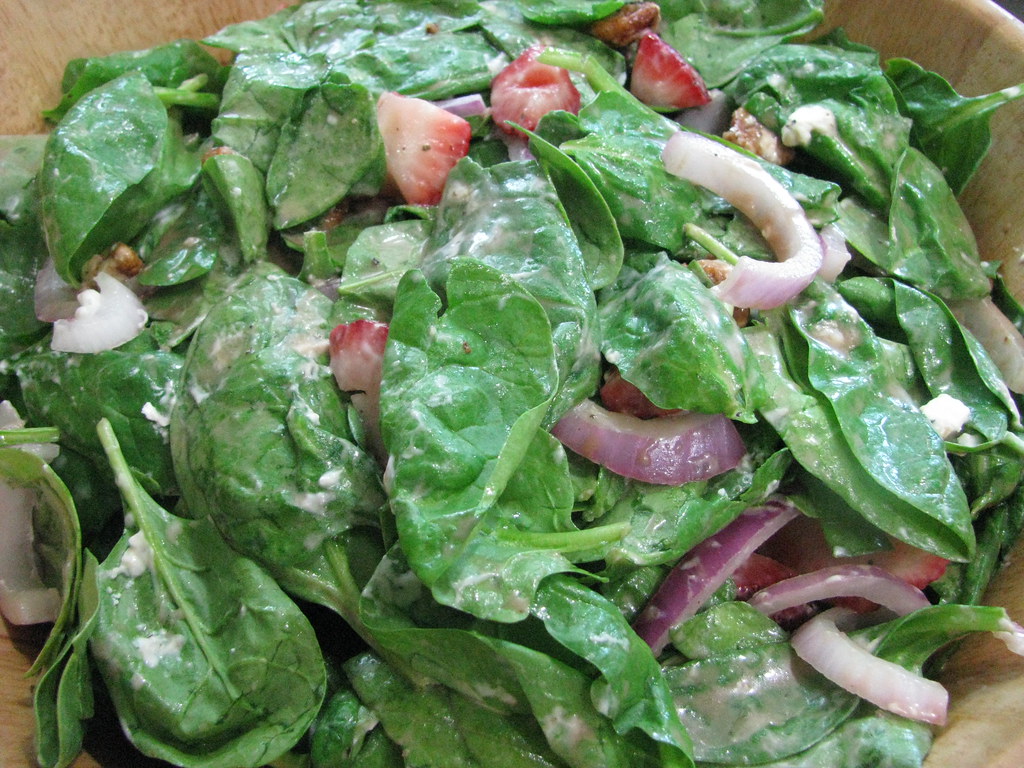
    Spinach has a reputation as the iron vegetable, and it does contain iron. The catch is which kind. Harvard’s Nutrition Source explains that iron from food comes in two forms: heme iron, found only in meat, poultry and seafood, and non-heme iron, found in plant foods including spinach, lentils, beans and leafy greens. Heme iron is better absorbed by the body than non-heme iron, which is why a bowl of spinach does not deliver iron the way a steak does.

    How much of that iron you actually take in comes down to what you eat with it. Harvard notes that vitamin C eaten at the same meal improves the absorption of non-heme iron. A squeeze of lemon, some chopped tomato or a few slices of bell pepper alongside cooked spinach all work in your favor. The NHS treatment advice points the same way: it suggests drinking orange juice after an iron tablet, and lists tea, coffee, milk and dairy among the things that make iron harder to absorb.

    A few combinations that put this into practice:

    • Cooked spinach with lemon juice, tomato or sweet peppers for the vitamin C.
    • Lentils or beans with nuts and dried apricots in the same meal.
    • Fortified breakfast cereal eaten with fruit rather than a large glass of milk.
    • Tea and coffee sipped between meals instead of alongside them.

    Spinach still earns a place on the plate, even if it is not the heaviest hitter. The NHS list of good sources leans on red meat, liver, beans such as kidney beans, edamame and chickpeas, nuts, dried fruit, fortified cereals and soy bean flour. Treat spinach as one useful part of a wider iron-rich diet.

    When to talk to a healthcare provider

    An occasional light-headed moment when you stand up is common and usually harmless. It deserves a proper look when you often feel dizzy during your period, or when you also feel breathless or your heart races. Tiredness that stops improving with rest is another signal. The NHS advises seeing a GP if heavy periods are affecting your daily life, and a blood test can confirm whether low iron is behind your symptoms.

    Severe dizziness, fainting or chest pain needs urgent medical attention rather than a dietary experiment. If you are pregnant, iron deficiency is common, and it is worth raising early with your midwife or GP.

    How Lail can help

    Losing iron through your period is easier to spot when you know your own pattern. Lail is a private period companion that keeps your data on your phone, with no account and nothing uploaded to the cloud, and its Wawasan (Insights) section suggests food ideas that match your cycle phase. Log how heavy your flow really is and when the dizziness shows up, then bring those notes to your appointment. Download Lail from Google Play, visit lailapp.nayabisa.com, or browse our cycle and fertility guides.

    FAQ

    Does your period really make you dizzy?

    Yes, it can. Menstrual bleeding removes iron from your body, and when stores run low, hemoglobin drops and less oxygen reaches your brain and muscles. Cleveland Clinic lists dizziness and lightheadedness as symptoms of iron-deficiency anemia and names blood loss from your period as one of its causes. Feeling dizzy during your period is common enough to be worth checking rather than ignoring.

    Is spinach really a good source of iron?

    Spinach contains iron, but it is non-heme iron, the plant form your body absorbs less efficiently than the iron in meat (Harvard). Pair it with a vitamin C source such as lemon, tomato or peppers, and keep tea and coffee away from the meal. Spinach then becomes a useful part of an iron-rich diet rather than a fix on its own.

    How long does it take to correct low iron?

    The NHS says iron tablets are usually taken for about six months to rebuild your stores, not just until the tiredness lifts. How quickly you feel better depends on what caused the loss. Heavy periods need attention too. Only a clinician can confirm the diagnosis and the right dose, so avoid self-prescribing high-dose iron.

    Which foods contain the most iron?

    The NHS lists liver, red meat, beans such as kidney beans, edamame and chickpeas, nuts, dried fruit, fortified breakfast cereals and soy bean flour among the best sources. Harvard adds oysters, clams, mussels, sardines, beef and poultry on the heme side. Lentils, spinach, potato with skin and dark chocolate sit on the non-heme side. Iron from meat and seafood is absorbed more easily, which matters when your levels are already low.

    Disclaimer

    This article is educational and not medical advice. Iron needs, menstrual flow and symptoms vary from person to person. If you feel dizzy, unusually tired or breathless, or if your periods are heavy, speak to a qualified healthcare provider before starting any supplement.

    Sources