Tag: period myths

  • Period Myths vs Facts: What’s Actually True

    Period Myths vs Facts: What’s Actually True

    Nobody sets out to believe something that is not true. The beliefs arrive sideways: a remark in a changing room, a warning from an older relative, a leaflet somebody half-read at school. That is how most period myths survive, because they sound careful or protective, so nobody goes back and checks them. Here is what the evidence says about six of them, including two doctors would rather people stopped repeating.

    Key takeaways

    • Period myths tend to sound protective, which is why they outlive the facts.
    • You lose about 20 to 90ml of blood across a whole period, roughly 1 to 5 tablespoons.
    • A tampon cannot get lost inside you, and tampons are not a reason to panic about toxic shock either.
    • Cycle syncing is disputed: one 2023 study found it, two measurement reviews argue the finding is an artefact.
    • PMS is real and common, while the supplements sold for it have thin evidence.

    “You can’t get pregnant on your period”

    Fertility is set by ovulation, not by bleeding, and ovulation happens about 12 to 16 days before the next period starts. The period myths here treat the days you bleed as the risky days and the dry ones as free, when the fertile window actually sits mid-cycle. Sperm can survive in the fallopian tubes for up to 7 days after sex, according to NHS, and an egg lives about 12 to 24 hours after it is released.

    That timing is why a short cycle can put ovulation close enough to the end of bleeding that period sex is not automatically safe. NHS states it plainly: getting pregnant soon after a period finishes is possible, though not very likely, if you ovulate early or your cycles are short. Sources disagree on sperm survival, with NHS saying up to 7 days and Cleveland Clinic saying 3 to 5 days, so treat 3 to 5 days as typical and 7 days as the outer edge.

    The blood loss is smaller than it looks

    Blood loss is one of the easier period myths to check, because it comes with a number. NHS puts total loss at about 20 to 90ml, which is 1 to 5 tablespoons, and notes that some people bleed more than that, in which case heavy periods are treatable. What leaves the body is blood plus the womb lining that thickened during the cycle.

    Colour is a poor gauge of anything. NHS describes the heaviest days as red and lighter days as pink or brown, a normal range rather than a warning. If you are soaking through protection every hour or passing coin-sized clots, that is the point to book an appointment instead of buying a heavier pad, and our guide to period blood clots covers what the size means.

    A tampon cannot get lost inside you

    NHS is unusually blunt here: it is not possible for a tampon to get lost inside you, because the vagina holds it firmly in place and the tampon expands as it soaks up blood. The vagina is a closed space, so there is nowhere for it to travel. Tampons attract a stubborn set of period myths, and this is the one that sends people to a clinic in a state.

    If the string has gone missing and you cannot reach the tampon, a clinician can remove it. Leaving one in for days is a real toxic shock risk, so it is worth being seen rather than waiting it out.

    Tampons, toxic shock and the eight-hour rule

    Toxic shock is rare, serious, and not only about tampons, which is where several period myths get tangled together. NHS describes it as a rare but life-threatening infection that can follow a tampon or menstrual cup, an infected wound or burn, a diaphragm or cap, or a vaginal birth. Symptoms arrive quickly, and the ones to know are a high temperature, muscle aches, flu-like feelings and a rash that feels rough like sandpaper.

    Cleveland Clinic turns prevention into something usable: change a tampon every 4 to 8 hours, choose the lowest absorbency that works, wear pads overnight, and skip tampons when you are not bleeding. It also notes there is no exact safe time, only a growing risk the longer one stays in.

    How rare is rare? A French study of intensive care admissions over 15 years found 102 patients with menstrual toxic shock across 43 units, at a median age of 18. Most needed drugs to support their blood pressure and 21% were put on a breathing tube, and none died in intensive care.

    A 2020 review in Clinical Microbiology Reviews adds that cases have not gone away, and that toxin-producing strains appear to be re-emerging. The practical lesson is the 8-hour clock.

    Do periods really sync up?

    Most period myths get settled by evidence, and this one has not been. A 2023 study followed 62 medical students living two to a room for 13 months and found the gap between their period onsets narrowing, with synchrony in about 55% of pairs and asynchrony in 26%. That is a real finding from a real study, and a small one, with 31 pairs and no control group.

    The counterweight comes from two measurement reviews by Jeffrey Schank. His argument is that the standard calculation of onset differences is biased towards detecting synchrony when cycles vary in length, so a positive result can be an artefact of the arithmetic rather than the biology. His 2000 paper is blunt: synchrony is close to impossible when there is cycle variability, so finding it may point to flawed measurement rather than a phenomenon.

    What both camps agree on is the part period myths skip: nothing here says a shared cycle is something you can plan around. Cycle syncing stays a fair question, and the confident answers on both sides are the problem.

    PMS is not in your head

    PMS is a physical and emotional pattern with a timetable, and treating it as a mood problem is where people get stuck. NHS says most women get it at some point, that it can affect anyone who has periods, and that symptoms usually lift once bleeding starts. Cleveland Clinic puts numbers on it: almost 50% of people who menstruate report at least one PMS symptom, and about 20% of that group have symptoms severe enough to disrupt daily life.

    Treatment is where this batch of period myths does damage, because the supplement shelf is louder than the evidence. NHS lists vitamin B6, calcium, vitamin D and magnesium among things that may help, then says there is not much evidence that they work. What has a GP behind it is different: exercise, sleep, smaller meals, painkillers, and where symptoms interfere with life, hormonal treatment, CBT or antidepressants. If PMS is the specific thing you are trying to manage, PMS relief that works goes through those options one by one and marks which have trial evidence behind them.

    Why period myths survive

    Period myths rarely arrive with a source. Most of them started as protection: warn a teenager off tampons and you might spare her one bad habit along with all the swimming. Say nothing about cycles and the gap fills with folklore anyway, from adverts, group chats and old jokes. We have checked a few on their own, including daily panty liners, soda and exercise, while the rest sit in the Cycle & Fertility archive.

    A cheap test for any claim about your body is whether it arrives with a mechanism and a number, or only with a warning. Blood loss has a number, 20 to 90ml. Toxic shock has a timing rule, 4 to 8 hours. Cycle syncing has neither.

    When to get medical help

    • Severe pelvic pain that painkillers do not touch needs an urgent GP appointment or NHS 111.
    • See a GP if your periods become heavier, more painful or irregular, if pain stops you doing daily activities, or if you bleed between periods.
    • For toxic shock symptoms such as a high temperature with muscle aches, vomiting, diarrhoea or a sandpaper rash, call NHS 111 and remove any tampon or menstrual cup; call 999 for confusion, breathing difficulty or peeling skin.
    • For PMS, see a GP if lifestyle changes have not helped or your symptoms are affecting daily life.

    How Lail can help

    Lail is our own period tracker for Android, built to keep cycle data on your phone rather than in an account. It logs flow, symptoms, mood and weight, which is the two-cycle record NHS asks for at a PMS appointment. You can install it from Google Play, and the other apps we make are listed on our products page.

    FAQ

    How much blood do you actually lose on your period?

    About 20 to 90ml across the whole period, which is 1 to 5 tablespoons. Bleeding more than that is common and treatable. Soaking protection every hour or passing coin-sized clots needs a GP appointment.

    Can a tampon stay in overnight?

    Cleveland Clinic advises pads at night, since the risk grows after 8 hours. If you sleep in a tampon, use the lowest absorbency that works and remove it first thing.

    Is cycle syncing real?

    Partly, and less often than the internet suggests. The 2023 study on roommates found it, while the measurement reviews say such findings can come from biased arithmetic. Neither camp says you can plan around a shared cycle.

    Do I need to track my cycle if it is regular?

    Regular does not mean uninformative. A record shows what is normal for you, which is the only baseline that makes a change visible. It is also the record a GP will ask for if something shifts.

    This article is educational and is not medical advice. See a qualified healthcare provider about your own symptoms, and do not delay urgent care.

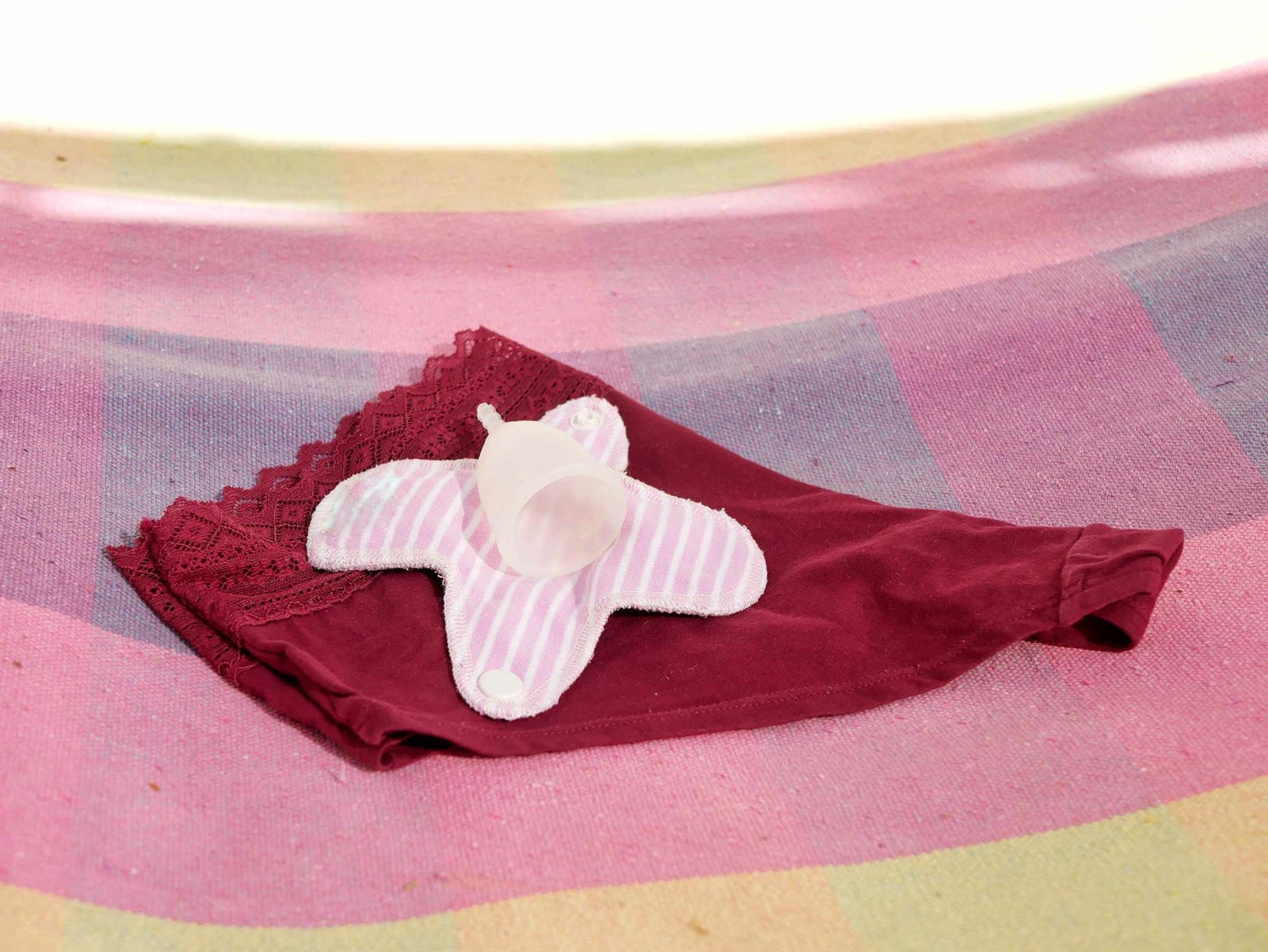
    Featured image: “period pants menstrual cup and textile bandage” by Vulvani, CC BY-SA 4.0, via Wikimedia Commons.

    Sources

  • Spicy Food on Your Period: Does It Make Cramps Worse?

    Spicy Food on Your Period: Does It Make Cramps Worse?

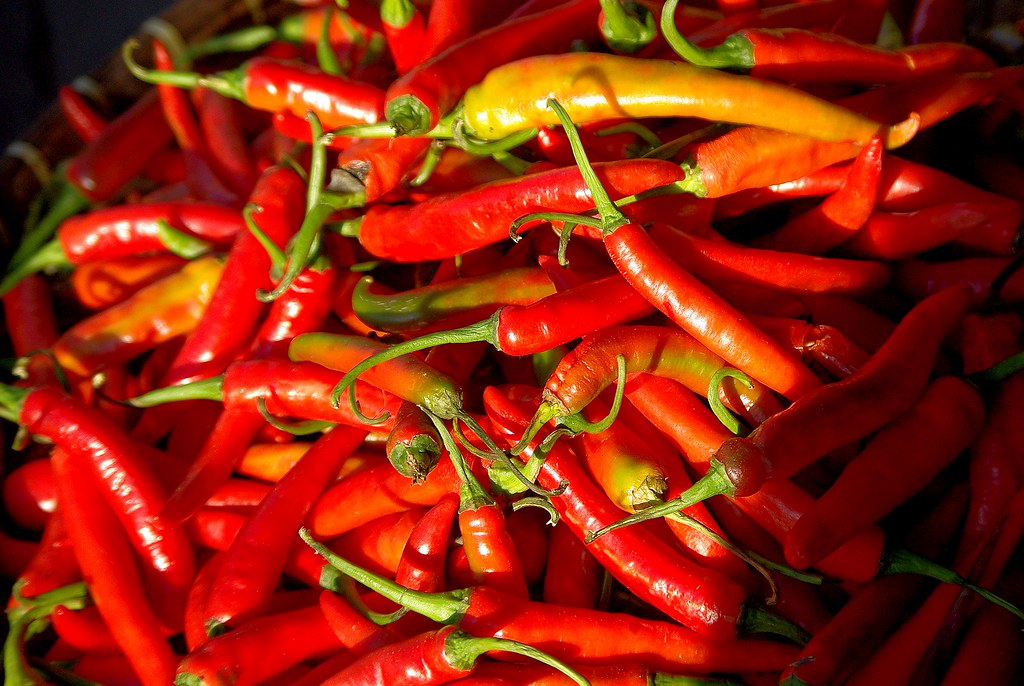
    Sriracha on the eggs, a chilli-laced lunch, and then an evening curled around a hot water bottle with a stomach that will not settle. Lots of people have that experience once and decide the two things do not mix. The truth is that spicy food on your period is not automatically a problem, but it helps to know what your gut is doing and why.

    Two suspects get blamed for the same crime, and they are worth separating. One is the chemical behind your cramps. The other is a compound in chilli that your gut can genuinely feel.

    Key takeaways

    • Period cramps come from prostaglandins, a chemical your body releases to shed the uterine lining, not from what you ate.
    • There is no good evidence that chilli changes your cycle length, flow or hormone levels.
    • Spicy food on your period can irritate a gut that is already sensitive, which is how bloating, heartburn or loose stools creep in.
    • If you have reflux, IBS, gastritis or a stomach ulcer, giving the heat a miss for a few days is the sensible move.
    • Heat, gentle movement, fluids and anti-inflammatory painkillers are the things actually shown to ease period pain.

    What is really causing the pain

    Menstrual cramps happen when a chemical called prostaglandin makes your uterus contract. Levels rise just before your period starts and fall again once bleeding begins, which is why the worst of it usually lands in the first 24 to 48 hours.

    Those prostaglandins do not stay in your uterus. Cleveland Clinic lists nausea, dizziness, headaches, fatigue and diarrhoea among the other symptoms that turn up alongside the cramping, so a churning stomach is part of the package for many people, spice or no spice.

    How much pain you get is not something diet alone decides. Researchers think higher prostaglandin levels play a role, but they are not certain why some people get severe cramps while others barely notice them. About 60% of people with a uterus have mild cramps during their period, and around 5% to 15% report pain severe enough to disrupt daily life.

    Does chilli affect your cycle at all?

    Nothing in the research suggests that eating spicy food delays a period, makes the flow heavier or shifts your hormones. Cycle length and flow are driven by your reproductive hormones, and capsaicin does not interfere with them.

    Most of what people blame on chilli during their period is a stomach problem stacked on top of a period problem, rather than a change to the cycle itself.

    The closest thing to direct evidence is small. A case-control study published in the Nigerian Medical Journal in 2026 compared 40 young women with primary dysmenorrhoea against 33 without it. The group with painful periods reported eating more spicy food and drinking more tea and coffee, and fewer fruits and vegetables.

    That study cannot tell you whether the diet came first or the pain did. It followed 73 people and relied on what they remembered eating, which is exactly the kind of design that turns up associations without proving cause. Treat it as a thread worth pulling, not a verdict on your dinner.

    Why spicy food on your period can hurt your stomach

    The short answer is that two irritants meet in the same place. Capsaicin, the compound that gives chilli its heat, is the first one. Your mouth adapts to it fairly quickly, but the rest of your digestive tract has no such talent, and Cleveland Clinic notes that overdoing it can cause diarrhoea.

    Bloating is the second half of the problem. NHS guidance notes that some people feel bloated around the time of their period, and a full, gassy abdomen has less tolerance for anything aggressive. Add heartburn and you have a fairly complete explanation for the ache.

    On heartburn, the NHS is direct: spicy food is listed among the things that can cause or worsen acid reflux, alongside coffee, tomatoes, chocolate, alcohol and fatty food. None of that makes chilli dangerous. It makes it a poor companion for a week when your gut is already complaining.

    When it is worth skipping the heat

    For most people there is no reason to ban anything. If chilli has never given you trouble at other times of the month, spicy food on your period will probably behave the same way it always does, and there is nothing to fix.

    There are exceptions. If you have acid reflux or GORD, irritable bowel syndrome, gastritis or a stomach ulcer, taking a few days off the heat is the low-risk call, because your gut is working with less margin than usual. The same advice applies if you have noticed chilli giving you loose stools or cramps at any point in your cycle. Your own track record beats a general rule.

    If you want warmth without the burn, ginger and black pepper do the job. Ginger shows up on Cleveland Clinic’s list of anti-inflammatory foods that people use for period pain, along with leafy greens, nuts and green tea.

    What actually helps with period pain

    • Heat is the most reliable home remedy: a hot water bottle or heat pad on your lower back or abdomen, or a warm bath, is what both the NHS and Cleveland Clinic reach for first.
    • Anti-inflammatory painkillers such as ibuprofen or naproxen lower prostaglandin levels, and Cleveland Clinic advises taking them as soon as cramping starts.
    • Gentle movement helps, and people who walk, swim, cycle or practise yoga regularly tend to report less menstrual pain.
    • Massaging your lower back and abdomen is worth ten minutes of your evening.
    • Keep fluids up, because diarrhoea and sweating both cost you water and dehydration makes an already uncomfortable body feel worse.
    • Cut back on caffeine and alcohol for a few days and skip cigarettes entirely, since the NHS notes that cutting down on alcohol and not smoking may ease period pain.

    If you want a wider view of what to eat across the month, we put together a phase-by-phase food guide for your period. The same logic about irritants applies to fizzy drinks, which we covered in can soda affect your period.

    When to see a doctor

    Some patterns deserve a proper look rather than a tweak to your dinner.

    Ask for an urgent appointment if your pelvic or period pain is severe, or worse than usual, and painkillers have not helped. Book a routine appointment if your periods become more painful, heavier or irregular, if the pain stops you doing your usual daily activities, if you have pain during sex or when you pee or poo, if you bleed between periods, or if you notice a swollen tummy, loss of appetite or weight loss you did not intend.

    How Lail can help you spot your own patterns

    General advice can only take you so far, because the only data that matters is yours. Lail is a private period tracker for Android that lets you log symptoms, mood and weight, and it keeps all of it on your own device with no account and no cloud backup. That matters here, because you can look back over two or three cycles and see whether your stomach genuinely reacts worse to chilli in the days before your period, or whether it happens all month. You can get Lail for free on the Play Store.

    Frequently asked questions

    Can you eat spicy food on your period?

    Yes, for most people. If spicy food on your period has never given you trouble, there is nothing to fix. You only need to adjust if you have a reflux, IBS or ulcer diagnosis, or if you have noticed a repeat pattern of stomach pain, loose stools or heartburn after spicy meals.

    Does spicy food make your period heavier or later?

    No. Cycle length, flow and hormone levels are driven by your reproductive hormones, and there is no evidence that chilli interferes with them. If your period is unusually late or heavy, look at other causes first, including stress and illness.

    Why does my stomach hurt when I eat spicy food during my period?

    Because two things are happening at once. Capsaicin irritates the gut lining, and the prostaglandins behind your cramps have your bowel more reactive than usual. Period-related bloating adds pressure on top, so your stomach complains louder than it would in any other week.

    Does spicy food cause period cramps?

    No. Cramps come from prostaglandins making your uterus contract. Chilli does not trigger those contractions, and no study has shown that it does. What chilli can do is make an already uncomfortable abdomen feel worse.

    Is spicy food off-limits if I have endometriosis or PCOS?

    There is no specific rule about chilli for either condition. Pain in endometriosis and PCOS can come from sources other than prostaglandins, so a doctor is the right person to ask about your triggers. A symptom log gives you something concrete to bring to that conversation.

    Disclaimer

    This article is educational and is not medical advice. Period pain, digestion and diet interact differently for every person, so speak to a qualified healthcare provider about your own situation, especially before changing how you manage pain.

    Sources

  • Can Soda Affect Your Period? Myth vs Fact

    Can Soda Affect Your Period? Myth vs Fact

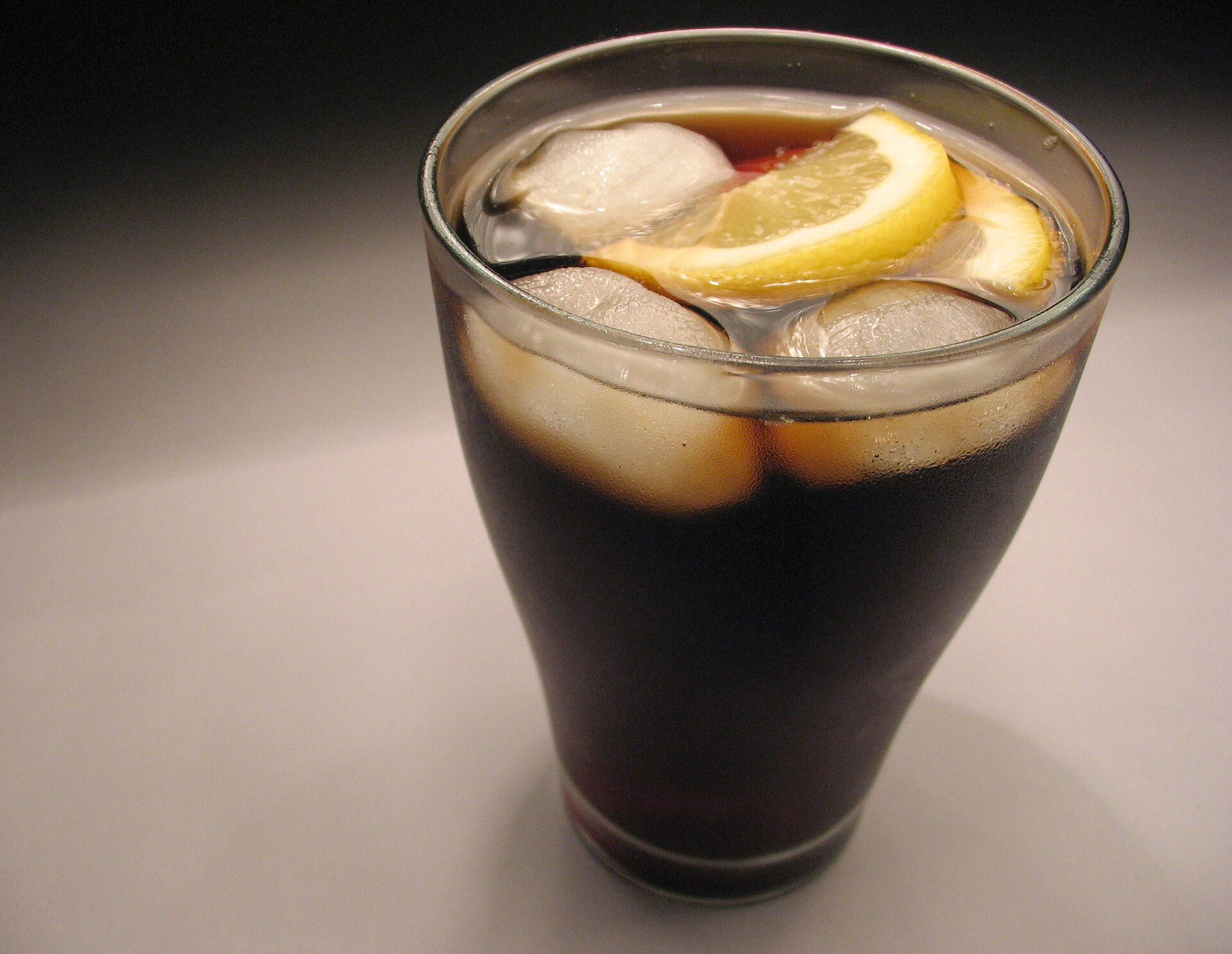
    It starts as a harmless video: someone tilts a can of soda toward the camera and promises that drinking it will “clean out” your period and make it end faster. The comments fill up fast, half of them relieved, half of them skeptical. By the time the clip reaches your feed, it has been shared enough times that it starts to feel like received wisdom. Most people typing “can soda affect your period” into a search bar are really asking whether a fizzy drink can rush things along, and they deserve a straight answer.

    The straight answer is no. Because this myth touches something as personal as your period, it deserves a proper explanation instead of a snappy caption.

    Key takeaways

    • No credible medical evidence shows that soda, cold drinks or carbonated beverages can end a period early or shorten bleeding.
    • Menstrual bleeding ends when your uterine lining has been shed and hormone signals settle, not because of anything you drink.
    • A regular cycle can last 24 to 38 days, and menstrual bleeding itself usually lasts 2 to 7 days, so comparing your length to a friend’s tells you little.
    • Sugar and caffeine can affect cramps and energy for some people, but that is not the same as changing when bleeding stops.
    • If your period suddenly becomes much shorter, lighter or stops altogether, the explanation is usually hormonal, not dietary, and it deserves a medical check-up.

    Where the soda rumor comes from

    The idea appears in many variations around the world. Some versions claim carbonation “flushes” the uterus. Others say cold drinks “shock” the body into shedding faster, or that the sugar rush speeds everything along. None of these mechanisms exist in physiology. Your uterus is not a pipe that fizzy liquid can rinse out, and your stomach and reproductive system are entirely separate pathways.

    The rumor probably survives because periods are unpredictable enough that any drink, tea, food or stretch you tried around the same time can look like the cause. That is a coincidence trap, not evidence. The same trap keeps a whole shelf of period myths alive, and we collected the ones that keep coming back.

    Can soda affect your period? What the evidence says

    The honest answer is no, not in the way the videos claim. No study shows that carbonated drinks shorten menstrual flow. What the evidence does show is that your cycle length and bleeding days are governed by hormones, mainly estrogen and progesterone, and by the uterine lining they build and then release. A fizzy drink does not change that sequence.

    The US Office on Women’s Health describes a typical cycle as 24 to 38 days, with period bleeding lasting 2 to 7 days. Plenty of people fall outside that range and are perfectly healthy, and plenty of people inside it still worry needlessly because they compare themselves to a different “normal.” If your own pattern is stable, that is the number that matters.

    What actually ends a period

    Menstruation begins when hormone levels drop and the built-up uterine lining sheds. Bleeding continues while the lining comes away and the uterus contracts to help expel it, which is why prostaglandins, the chemicals behind cramps, peak during the first days. Once the lining is gone and clotting and repair take over, the flow tapers and stops. That whole process takes as long as it takes, usually several days, and it is driven from the inside.

    You can influence comfort around your period with heat, rest, movement and good food, but you cannot command the lining to exit on a schedule. Anyone claiming a drink, herb or exercise “makes your period finish in one day” is describing a hope, not a mechanism.

    Sugar, caffeine and cramps: the small asterisk

    There is one grain of truth buried in the myth, and it is about comfort rather than timing. For some people, large amounts of caffeine can make anxiety, irritability and sleep worse, which can make cramps feel more intense even if the bleeding itself is unchanged. Very sugary drinks can spike your energy and then drop it, leaving you more tired during a phase when your body is already working hard.

    So the practical advice is boring but real: stay hydrated, keep caffeine moderate, eat regularly. If a soda genuinely makes you feel worse during your period, skip it for your own comfort. Just do not expect it, or any other drink, to rewrite your menstrual calendar.

    When a “weird period” deserves a doctor

    Watch for real changes rather than a one-off short cycle. See a doctor if your periods stop for several months and you are not pregnant, if bleeding becomes suddenly much heavier or much lighter than your usual pattern, if cycles swing wildly outside 24 to 38 days, or if pain stops you from functioning. These signs point to hormonal or medical causes worth investigating, and they are far more informative than anything a soda can or cannot do.

    How Lail can help

    Lail is a private period and cycle tracker built around the idea that your body is the expert and your data stays yours. It learns your cycle length, predicts your next period and shows which phase you are in today, so you can see your own normal instead of someone else’s. You can log symptoms, mood and flow, which makes it easy to spot a genuine change and describe it clearly to a doctor. Everything stays on your phone: no account, no login, no cloud upload.

    Download Lail from Google Play or visit lailapp.nayabisa.com. For more myth-busting, browse our cycle and fertility guides.

    FAQ

    Can soda affect your period length?

    No. Carbonated drinks do not change the hormone signals that control how long your uterine lining takes to shed. Length is set by your cycle, not your glass.

    Do cold drinks delay your period?

    No. Temperature of drinks has no effect on when menstruation starts or stops. Your uterus sits deep in your pelvis, well protected from anything you swallow.

    Does caffeine make periods worse?

    For some people, heavy caffeine can amplify anxiety, irritability and sleep problems, which can make cramps feel stronger. It does not change when bleeding ends.

    When should I worry about a short or light period?

    A one-off shorter period is usually nothing. Talk to a doctor if the change lasts several cycles, if you have missed periods without pregnancy, or if bleeding suddenly becomes much heavier or more painful than your norm.

    Does an energy drink or diet soda count as the same thing?

    Yes, for the purposes of this myth. Carbonation, sugar substitutes and caffeine do not change the hormonal sequence that ends a period. What you drink can affect how you feel, not when you stop bleeding.

    Can soda affect your period if you drink it every day?

    No. Frequency does not matter here, because there is no mechanism for the drink to reach your uterus in the first place. If you drink a lot of soda and also notice cycle changes, the more useful question is what else changed, from stress to weight to medication.

    Disclaimer

    This article is for educational purposes only and is not medical advice. Menstrual cycles vary widely from person to person. If you are worried about a change in your period, please consult a qualified healthcare provider.

    Sources

    • US Office on Women’s Health – Your menstrual cycle: https://www.womenshealth.gov/menstrual-cycle/your-menstrual-cycle
    • NHS – Periods: https://www.nhs.uk/conditions/periods/
    • ACOG – Period problems: https://www.acog.org/womens-health/faqs/period-problems