Category: Cycle & Fertility

Period health, menstrual cycle phases, ovulation, PMS, body literacy and femtech privacy — companion content for the Lail period tracker.

  • Walking on Your Period: Ease Cramps Without Feeling Drained

    Walking on Your Period: Ease Cramps Without Feeling Drained

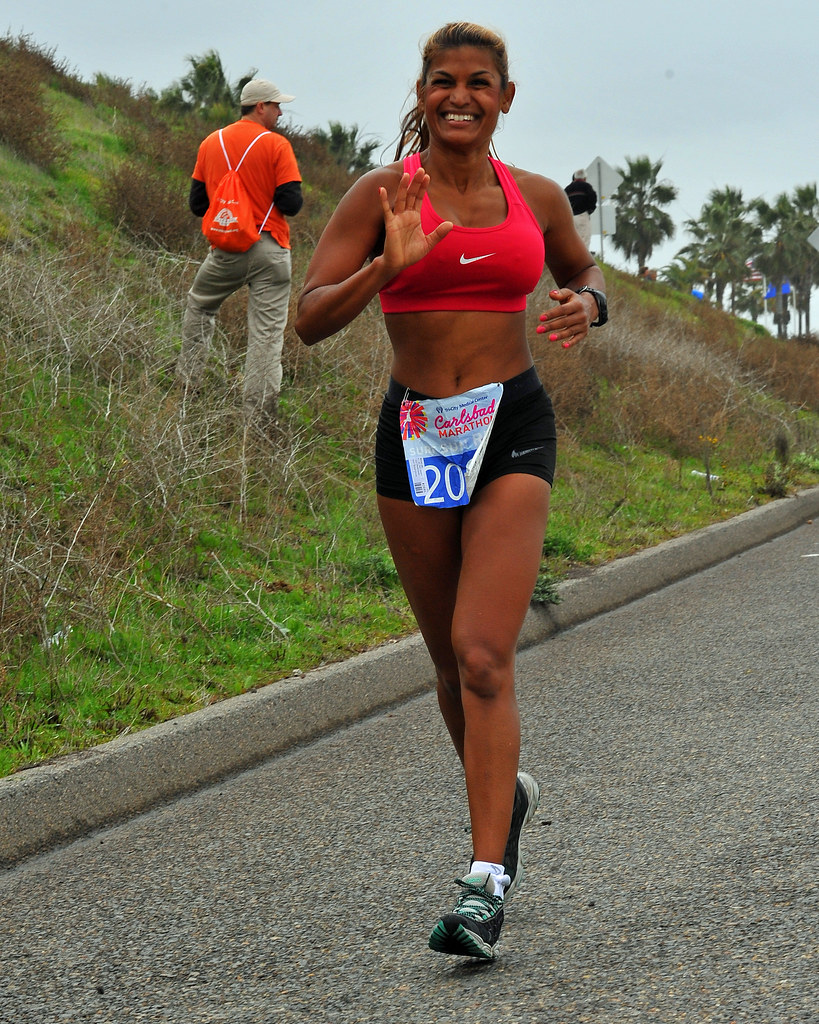
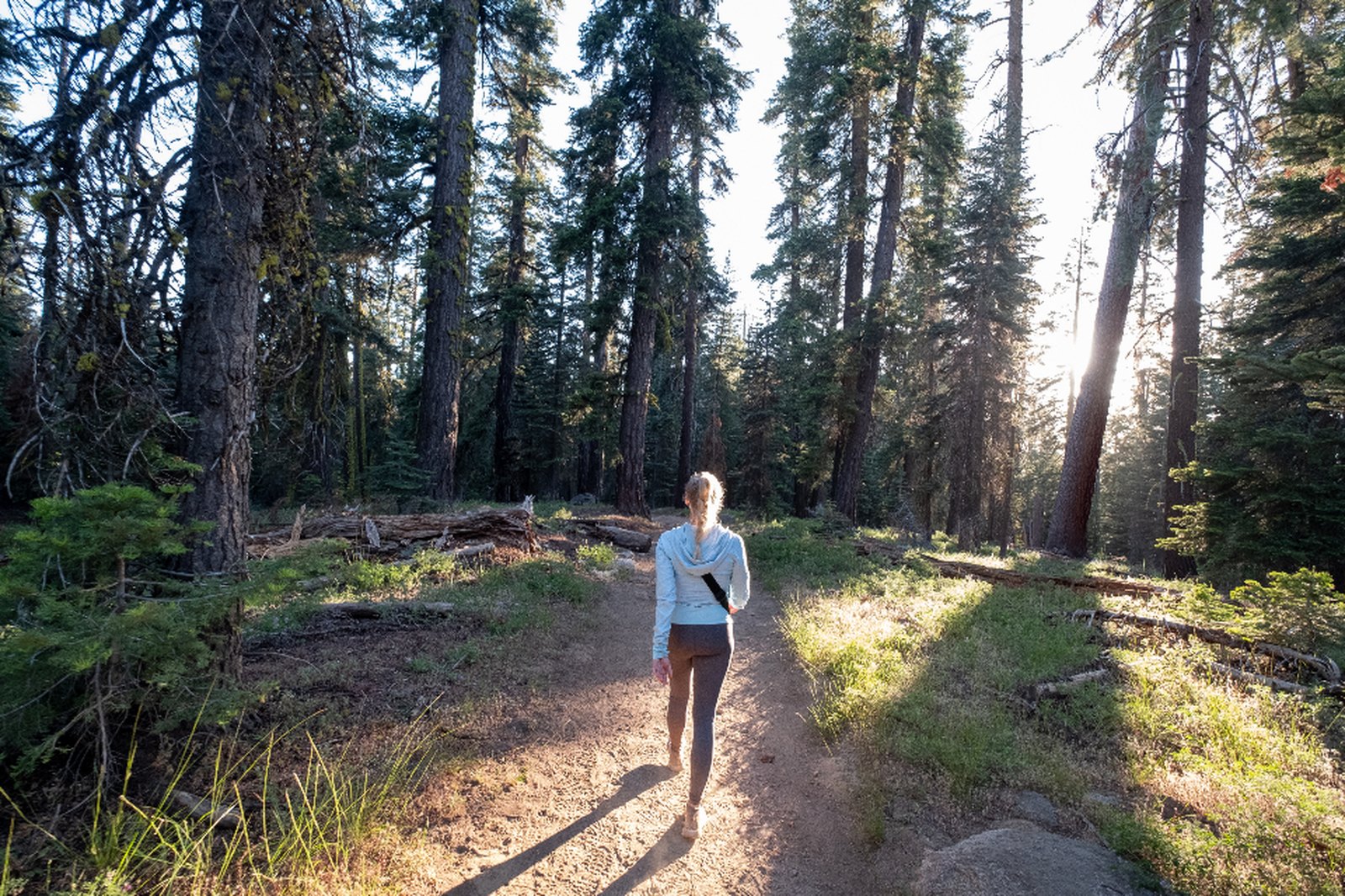
    Day one is usually the loudest day. The ache arrives before you have decided whether to get up, and every instinct says stay still until it passes. If you grew up being told that movement makes cramps worse, walking on your period probably sounds like the worst idea available. It might also be the one thing that helps.

    The advice is not new. The NHS lists walking among the gentle exercises it recommends for period pain, right next to heat pads and massage. A 2019 meta-analysis of randomized trials found that physical activity reduced how intense menstrual pain felt and how long it lasted. What most write-ups skip is the part you need on day one: how to walk so you finish feeling better instead of flattened.

    Key takeaways

    • Walking on your period is one of the gentle exercises the NHS recommends for period pain, alongside heat, massage and painkillers.
    • A meta-analysis of 15 randomized trials found physical activity lowered menstrual pain intensity and cut pain duration by roughly four hours.
    • A 2025 trial that included a walking program three days a week reported fewer menstrual symptoms and better sleep.
    • Cramps come from prostaglandins, which peak just before your period and fall in the days after, which is why day one tends to hurt most.
    • Walking is not a replacement for painkillers or for a diagnosis, and severe pain deserves a doctor rather than more laps.

    Why day one tends to hurt the most

    Menstrual cramps happen when a chemical called prostaglandin makes the uterus contract. Levels rise just before your period starts and drop once bleeding begins, which is why the cramping usually eases over the following days. The NHS puts typical period pain at up to three days. Day one is often the heaviest and the sorest, which makes it both the hardest day to move on and the day movement can do you the most good.

    What walking on your period actually does

    Researchers are still working out the exact mechanism. Movement was recommended for period pain long before anyone tested it properly, and one trial protocol notes that the belief rested on anecdotal reports and non-experimental studies for decades. What has changed is how much evidence sits behind the idea that walking on your period helps.

    A 2019 systematic review in the American Journal of Obstetrics and Gynecology pooled 15 randomized controlled trials covering 1,681 participants. Physical activity reduced pain intensity by about 1.9 cm on a 10 cm visual analogue scale, and shortened pain duration by roughly 3.9 hours compared with control groups. The authors were candid about quality. Heterogeneity was high, the primary studies were low to moderate quality, and they did not hand down a strong recommendation.

    A newer trial published in BMC Women’s Health in 2025 followed 54 women across three menstrual cycles. One group did a mix of strengthening, flexibility and balance work plus moderate aerobic exercise and walking at least three days a week; the other group did nothing extra. The exercise group reported fewer menstrual symptoms and better sleep, and their fatigue scores fell too, though the difference from the control group was not statistically significant.

    A separate review of physiotherapy for primary dysmenorrhea found a smaller average pain reduction of about 1.1 cm and rated the evidence low quality. The overall picture is consistent. Moving helps, the effect is real but modest, and it works best as one part of a routine rather than a cure.

    How to pace a first-day walk so you do not end up wiped out

    The goal on day one is not a workout. Ten to fifteen minutes of slow, flat walking is enough, and turning around early costs you nothing. If you grew up believing that exercise during your period is off limits, it is worth settling that first.

    • Start smaller than feels impressive, because ten flat minutes beat a 40-minute loop you have to limp home from.
    • Walk slower than your usual pace, and shorten your stride instead of pushing through discomfort.
    • Bring water and actually drink it, since dehydration alone causes tiredness and light-headedness that is easy to blame on your period.
    • Wear something warm around your middle, and turn back the moment the ache climbs rather than waiting for a halfway point.

    If going outside feels like too much, pacing your living room counts. What matters is gentle, continuous movement rather than distance or speed. When you have more to give, it helps to know why workouts feel easier in the follicular phase. On a heavy day the opposite list matters just as much: the exercises to avoid during your period.

    Painkillers, heat and walking: how they fit together

    Walking is an addition, not a replacement. NSAIDs such as ibuprofen work by lowering prostaglandin levels, the same chemical driving the cramps in the first place, and they work best taken as soon as cramping starts. The NHS suggests paracetamol or ibuprofen alongside a warm bath, a heat pad and massage. If you reach for painkillers every single cycle, or they no longer touch the pain, that is worth a conversation with a doctor rather than another lap around the block.

    When to see a doctor

    Most period pain is normal and manageable. Some of it points to something else.

    • Pain that is severe or worse than usual, where painkillers have not helped, needs urgent advice from a GP or NHS 111.
    • Period pain that stops you doing your usual daily activities.
    • Periods that have become more painful, heavier or irregular, or any bleeding between periods.
    • Pain during sex or when peeing or pooing, or a tummy that looks swollen.

    Conditions such as endometriosis, adenomyosis, fibroids and pelvic inflammatory disease all cause painful periods, and an IUD can cause cramps in the first three to six months after it is fitted. Finding the cause matters, because treating it is what eases the pain.

    How Lail can help

    Walking on your period is easier to plan when you know which day is coming. Lail is a private period tracker for Android that logs your cycle, symptoms, mood and weight on your own device, with no account and no cloud backups. Its insights also suggest foods for the phase you are in, which helps when you are deciding what to eat before a walk. Cramp patterns get easier to spot after a few cycles of data.

    Lail is free with ads, and a premium tier of around Rp10,000 a month adds PDF export. You can also get it on Google Play.

    FAQ

    Does walking make period cramps worse?

    No. Gentle movement is not a known trigger for worse cramps, and the pooled trial evidence runs the other way. If walking reliably makes your pain sharper, treat that as a signal to get checked rather than something to push through.

    How long should I walk on day one?

    Ten to fifteen minutes is a sensible starting point, and two short walks often work better than one long one. Use your own baseline. If a normal walk for you is 30 minutes, halve it on day one and see how you feel an hour later.

    Is it normal to feel weak and dizzy on the first day?

    Sometimes, and the cause is often simple. Dehydration on its own brings on tiredness, headaches and light-headedness, which is easy to confuse with period fatigue. If you feel dizzy when you stand up and it does not go away, or you feel unusually tired, the NHS says to seek medical advice.

    Can I walk if my cramps are severe?

    If the pain is severe or worse than usual and painkillers have not helped, the NHS advises urgent medical advice rather than exercising through it. Walking suits discomfort you can manage, not pain that stops you functioning. Get the severe pain looked at first.

    This article is educational and not medical advice. Talk to a qualified healthcare provider about your own symptoms.

    Written by the NayaBisa Editorial team. Last updated 13 September 2026.

    Sources

  • Spicy Food on Your Period: Does It Make Cramps Worse?

    Spicy Food on Your Period: Does It Make Cramps Worse?

    Sriracha on the eggs, a chilli-laced lunch, and then an evening curled around a hot water bottle with a stomach that will not settle. Lots of people have that experience once and decide the two things do not mix. The truth is that spicy food on your period is not automatically a problem, but it helps to know what your gut is doing and why.

    Two suspects get blamed for the same crime, and they are worth separating. One is the chemical behind your cramps. The other is a compound in chilli that your gut can genuinely feel.

    Key takeaways

    • Period cramps come from prostaglandins, a chemical your body releases to shed the uterine lining, not from what you ate.
    • There is no good evidence that chilli changes your cycle length, flow or hormone levels.
    • Spicy food on your period can irritate a gut that is already sensitive, which is how bloating, heartburn or loose stools creep in.
    • If you have reflux, IBS, gastritis or a stomach ulcer, giving the heat a miss for a few days is the sensible move.
    • Heat, gentle movement, fluids and anti-inflammatory painkillers are the things actually shown to ease period pain.

    What is really causing the pain

    Menstrual cramps happen when a chemical called prostaglandin makes your uterus contract. Levels rise just before your period starts and fall again once bleeding begins, which is why the worst of it usually lands in the first 24 to 48 hours.

    Those prostaglandins do not stay in your uterus. Cleveland Clinic lists nausea, dizziness, headaches, fatigue and diarrhoea among the other symptoms that turn up alongside the cramping, so a churning stomach is part of the package for many people, spice or no spice.

    How much pain you get is not something diet alone decides. Researchers think higher prostaglandin levels play a role, but they are not certain why some people get severe cramps while others barely notice them. About 60% of people with a uterus have mild cramps during their period, and around 5% to 15% report pain severe enough to disrupt daily life.

    Does chilli affect your cycle at all?

    Nothing in the research suggests that eating spicy food delays a period, makes the flow heavier or shifts your hormones. Cycle length and flow are driven by your reproductive hormones, and capsaicin does not interfere with them.

    Most of what people blame on chilli during their period is a stomach problem stacked on top of a period problem, rather than a change to the cycle itself.

    The closest thing to direct evidence is small. A case-control study published in the Nigerian Medical Journal in 2026 compared 40 young women with primary dysmenorrhoea against 33 without it. The group with painful periods reported eating more spicy food and drinking more tea and coffee, and fewer fruits and vegetables.

    That study cannot tell you whether the diet came first or the pain did. It followed 73 people and relied on what they remembered eating, which is exactly the kind of design that turns up associations without proving cause. Treat it as a thread worth pulling, not a verdict on your dinner.

    Why spicy food on your period can hurt your stomach

    The short answer is that two irritants meet in the same place. Capsaicin, the compound that gives chilli its heat, is the first one. Your mouth adapts to it fairly quickly, but the rest of your digestive tract has no such talent, and Cleveland Clinic notes that overdoing it can cause diarrhoea.

    Bloating is the second half of the problem. NHS guidance notes that some people feel bloated around the time of their period, and a full, gassy abdomen has less tolerance for anything aggressive. Add heartburn and you have a fairly complete explanation for the ache.

    On heartburn, the NHS is direct: spicy food is listed among the things that can cause or worsen acid reflux, alongside coffee, tomatoes, chocolate, alcohol and fatty food. None of that makes chilli dangerous. It makes it a poor companion for a week when your gut is already complaining.

    When it is worth skipping the heat

    For most people there is no reason to ban anything. If chilli has never given you trouble at other times of the month, spicy food on your period will probably behave the same way it always does, and there is nothing to fix.

    There are exceptions. If you have acid reflux or GORD, irritable bowel syndrome, gastritis or a stomach ulcer, taking a few days off the heat is the low-risk call, because your gut is working with less margin than usual. The same advice applies if you have noticed chilli giving you loose stools or cramps at any point in your cycle. Your own track record beats a general rule.

    If you want warmth without the burn, ginger and black pepper do the job. Ginger shows up on Cleveland Clinic’s list of anti-inflammatory foods that people use for period pain, along with leafy greens, nuts and green tea.

    What actually helps with period pain

    • Heat is the most reliable home remedy: a hot water bottle or heat pad on your lower back or abdomen, or a warm bath, is what both the NHS and Cleveland Clinic reach for first.
    • Anti-inflammatory painkillers such as ibuprofen or naproxen lower prostaglandin levels, and Cleveland Clinic advises taking them as soon as cramping starts.
    • Gentle movement helps, and people who walk, swim, cycle or practise yoga regularly tend to report less menstrual pain.
    • Massaging your lower back and abdomen is worth ten minutes of your evening.
    • Keep fluids up, because diarrhoea and sweating both cost you water and dehydration makes an already uncomfortable body feel worse.
    • Cut back on caffeine and alcohol for a few days and skip cigarettes entirely, since the NHS notes that cutting down on alcohol and not smoking may ease period pain.

    If you want a wider view of what to eat across the month, we put together a phase-by-phase food guide for your period. The same logic about irritants applies to fizzy drinks, which we covered in can soda affect your period.

    When to see a doctor

    Some patterns deserve a proper look rather than a tweak to your dinner.

    Ask for an urgent appointment if your pelvic or period pain is severe, or worse than usual, and painkillers have not helped. Book a routine appointment if your periods become more painful, heavier or irregular, if the pain stops you doing your usual daily activities, if you have pain during sex or when you pee or poo, if you bleed between periods, or if you notice a swollen tummy, loss of appetite or weight loss you did not intend.

    How Lail can help you spot your own patterns

    General advice can only take you so far, because the only data that matters is yours. Lail is a private period tracker for Android that lets you log symptoms, mood and weight, and it keeps all of it on your own device with no account and no cloud backup. That matters here, because you can look back over two or three cycles and see whether your stomach genuinely reacts worse to chilli in the days before your period, or whether it happens all month. You can get Lail for free on the Play Store.

    Frequently asked questions

    Can you eat spicy food on your period?

    Yes, for most people. If spicy food on your period has never given you trouble, there is nothing to fix. You only need to adjust if you have a reflux, IBS or ulcer diagnosis, or if you have noticed a repeat pattern of stomach pain, loose stools or heartburn after spicy meals.

    Does spicy food make your period heavier or later?

    No. Cycle length, flow and hormone levels are driven by your reproductive hormones, and there is no evidence that chilli interferes with them. If your period is unusually late or heavy, look at other causes first, including stress and illness.

    Why does my stomach hurt when I eat spicy food during my period?

    Because two things are happening at once. Capsaicin irritates the gut lining, and the prostaglandins behind your cramps have your bowel more reactive than usual. Period-related bloating adds pressure on top, so your stomach complains louder than it would in any other week.

    Does spicy food cause period cramps?

    No. Cramps come from prostaglandins making your uterus contract. Chilli does not trigger those contractions, and no study has shown that it does. What chilli can do is make an already uncomfortable abdomen feel worse.

    Is spicy food off-limits if I have endometriosis or PCOS?

    There is no specific rule about chilli for either condition. Pain in endometriosis and PCOS can come from sources other than prostaglandins, so a doctor is the right person to ask about your triggers. A symptom log gives you something concrete to bring to that conversation.

    Disclaimer

    This article is educational and is not medical advice. Period pain, digestion and diet interact differently for every person, so speak to a qualified healthcare provider about your own situation, especially before changing how you manage pain.

    Sources

  • Weak and Dizzy During Your Period: How Iron and Spinach Help

    Weak and Dizzy During Your Period: How Iron and Spinach Help

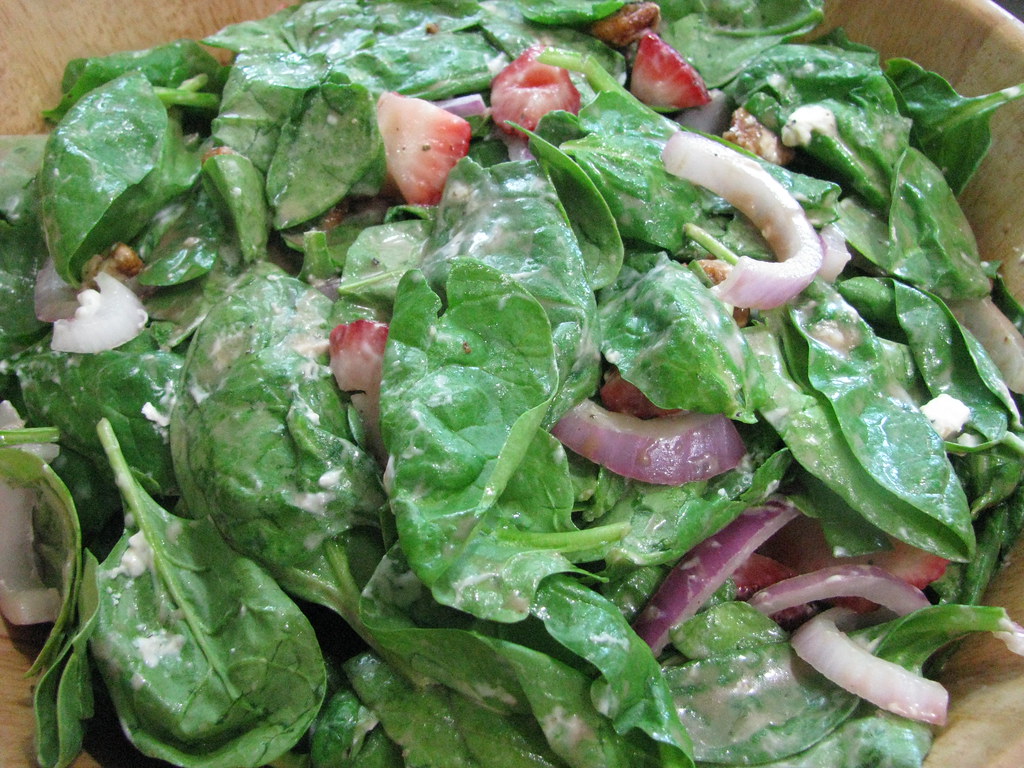
    One morning you stand up from the sofa, the room tilts, and you hold the wall until it settles. Your legs feel heavy while your head feels oddly light. When that happens around your bleed, the reason is usually plain: menstrual blood carries iron out of your body, and if you lose more than you replace, you can end up feeling dizzy during your period. Spinach and other iron-rich foods help, but how you eat them matters as much as how much you eat.

    Key takeaways

    • Iron carries oxygen in your blood, so losing it through heavy bleeding can show up as tiredness, breathlessness and a floating, light-headed feeling.
    • Women aged 19 to 49 need about 14.8 mg of iron a day, more than men of the same age need.
    • Spinach supplies non-heme iron, the plant form your body absorbs less easily than the iron in meat, poultry and fish.
    • Vitamin C eaten with spinach helps absorption, while tea, coffee and dairy make iron harder to take in.
    • Dizziness that arrives with fainting, chest pain or breathlessness at rest is a reason to see a doctor.

    Why iron loss can make you dizzy during your period

    Iron is a building block of hemoglobin. That is the protein in red blood cells which carries oxygen from your lungs to the rest of your body. When iron runs low, hemoglobin falls with it, and every tissue gets a little less oxygen than it expects. The warning signs are easy to dismiss because they are vague: feeling flat, getting breathless on stairs, and a head that swims when you stand up quickly.

    Cleveland Clinic lists fatigue, headaches, muscle cramps, pale skin, a sore tongue and a fast heart rate among the symptoms of iron-deficiency anemia. It notes that the condition can also make you feel dizzy or lightheaded. The NHS points to tiredness and lack of energy, shortness of breath, noticeable heartbeats and paler than usual skin. Feeling dizzy during your period is often less a separate problem than the way low iron announces itself.

    What heavy bleeding actually looks like

    Menstrual bleeding is the most common way women lose iron. How much you lose varies enormously from person to person. The NHS counts a period as heavy if you need to change your pad or tampon every one to two hours, if a period lasts longer than seven days, or if you pass clots bigger than about 2.5 cm. Bleeding through to your clothes or bedding, and feeling tired or short of breath for much of the month, are also signs worth noting. If you want to judge that rather than guess at it, period blood clots explains what the size and the frequency of them actually tell you.

    Many people assume their flow is normal because it has always been that way. Heavy periods can be a problem in their own right. The NHS advises seeing a GP if they are affecting your daily life or have been heavy for some time. A blood test is usually the first step, and the NHS names heavy periods and pregnancy as very common causes of iron-deficiency anemia.

    How much iron you actually need

    The NHS puts the daily target at 14.8 mg of iron for women aged 19 to 49, dropping to 8.7 mg for women aged 50 and over. It also notes that women who lose a lot of blood during their periods may need iron supplements on top of food. Harvard’s Nutrition Source uses the US figures, 18 mg a day for women aged 19 to 50 and 27 mg during pregnancy, against just 8 mg for men. The gap comes down to one thing: menstruation removes iron from the body every month.

    There is a caution worth knowing before you buy a bottle. The NHS reports that high doses of iron supplements cause constipation, nausea, vomiting and stomach pain, and that very high doses can be dangerous, especially for children. It says 17 mg or less a day of supplement iron is unlikely to cause harm, while Harvard lists 45 mg as the daily upper limit for adults. Food first, supplements with medical advice, is the safer order of operations.

    Spinach, iron, and the absorption problem

    Spinach has a reputation as the iron vegetable, and it does contain iron. The catch is which kind. Harvard’s Nutrition Source explains that iron from food comes in two forms: heme iron, found only in meat, poultry and seafood, and non-heme iron, found in plant foods including spinach, lentils, beans and leafy greens. Heme iron is better absorbed by the body than non-heme iron, which is why a bowl of spinach does not deliver iron the way a steak does.

    How much of that iron you actually take in comes down to what you eat with it. Harvard notes that vitamin C eaten at the same meal improves the absorption of non-heme iron. A squeeze of lemon, some chopped tomato or a few slices of bell pepper alongside cooked spinach all work in your favor. The NHS treatment advice points the same way: it suggests drinking orange juice after an iron tablet, and lists tea, coffee, milk and dairy among the things that make iron harder to absorb.

    A few combinations that put this into practice:

    • Cooked spinach with lemon juice, tomato or sweet peppers for the vitamin C.
    • Lentils or beans with nuts and dried apricots in the same meal.
    • Fortified breakfast cereal eaten with fruit rather than a large glass of milk.
    • Tea and coffee sipped between meals instead of alongside them.

    Spinach still earns a place on the plate, even if it is not the heaviest hitter. The NHS list of good sources leans on red meat, liver, beans such as kidney beans, edamame and chickpeas, nuts, dried fruit, fortified cereals and soy bean flour. Treat spinach as one useful part of a wider iron-rich diet.

    When to talk to a healthcare provider

    An occasional light-headed moment when you stand up is common and usually harmless. It deserves a proper look when you often feel dizzy during your period, or when you also feel breathless or your heart races. Tiredness that stops improving with rest is another signal. The NHS advises seeing a GP if heavy periods are affecting your daily life, and a blood test can confirm whether low iron is behind your symptoms.

    Severe dizziness, fainting or chest pain needs urgent medical attention rather than a dietary experiment. If you are pregnant, iron deficiency is common, and it is worth raising early with your midwife or GP.

    How Lail can help

    Losing iron through your period is easier to spot when you know your own pattern. Lail is a private period companion that keeps your data on your phone, with no account and nothing uploaded to the cloud, and its Wawasan (Insights) section suggests food ideas that match your cycle phase. Log how heavy your flow really is and when the dizziness shows up, then bring those notes to your appointment. Download Lail from Google Play, visit lailapp.nayabisa.com, or browse our cycle and fertility guides.

    FAQ

    Does your period really make you dizzy?

    Yes, it can. Menstrual bleeding removes iron from your body, and when stores run low, hemoglobin drops and less oxygen reaches your brain and muscles. Cleveland Clinic lists dizziness and lightheadedness as symptoms of iron-deficiency anemia and names blood loss from your period as one of its causes. Feeling dizzy during your period is common enough to be worth checking rather than ignoring.

    Is spinach really a good source of iron?

    Spinach contains iron, but it is non-heme iron, the plant form your body absorbs less efficiently than the iron in meat (Harvard). Pair it with a vitamin C source such as lemon, tomato or peppers, and keep tea and coffee away from the meal. Spinach then becomes a useful part of an iron-rich diet rather than a fix on its own.

    How long does it take to correct low iron?

    The NHS says iron tablets are usually taken for about six months to rebuild your stores, not just until the tiredness lifts. How quickly you feel better depends on what caused the loss. Heavy periods need attention too. Only a clinician can confirm the diagnosis and the right dose, so avoid self-prescribing high-dose iron.

    Which foods contain the most iron?

    The NHS lists liver, red meat, beans such as kidney beans, edamame and chickpeas, nuts, dried fruit, fortified breakfast cereals and soy bean flour among the best sources. Harvard adds oysters, clams, mussels, sardines, beef and poultry on the heme side. Lentils, spinach, potato with skin and dark chocolate sit on the non-heme side. Iron from meat and seafood is absorbed more easily, which matters when your levels are already low.

    Disclaimer

    This article is educational and not medical advice. Iron needs, menstrual flow and symptoms vary from person to person. If you feel dizzy, unusually tired or breathless, or if your periods are heavy, speak to a qualified healthcare provider before starting any supplement.

    Sources

  • How to Lower Cortisol at Night for a Steadier Cycle

    How to Lower Cortisol at Night for a Steadier Cycle

    By late evening, your stress system is supposed to step back and let your body switch into rest mode. For many people the alarm never fully turns off, and sleep pays the bill. If you want to lower cortisol at night, you are working with the same hormone that runs the stress response and shapes your sleep-wake rhythm. Small evening habits can tip that balance back in your favor.

    Key takeaways

    • Cortisol follows a daily clock: levels are lower in the evening as you fall asleep and peak in the morning before you wake (Cleveland Clinic).
    • Chronic sleep problems and night-shift schedules are linked to higher cortisol, so protecting sleep matters for stress (Cleveland Clinic).
    • A wind-down routine that starts about an hour before bed gives your body the signal it needs to prepare for sleep (Cleveland Clinic).
    • Deep breathing, gentle movement and laughter activate the rest-and-digest system, which helps bring cortisol down (Cleveland Clinic, Harvard Health).

    Why cortisol should fall in the evening

    Cortisol is made by your adrenal glands, the two small glands on top of your kidneys. It does more than run the stress response: it also helps regulate blood sugar, inflammation, blood pressure and your sleep-wake cycle (Cleveland Clinic). In most people, cortisol levels are lower in the evening when they go to sleep. They climb again overnight and peak in the morning right before waking, which is part of how your body pulls itself out of bed.

    That rhythm is easy to take for granted until it breaks. When stress keeps cortisol elevated into the night, your body stays closer to alert mode and sleep gets harder to reach. Chronic insomnia and shift work can push cortisol higher still. That turns a bad sleep patch into a loop that willpower alone cannot break (Cleveland Clinic).

    What keeps cortisol high at night

    Some of the culprits are obvious, others quieter. Bright screens and overhead light late in the evening keep your brain guessing whether it is still day. Racing thoughts do the same by keeping the stress response switched on (Harvard Health). Irregular bedtimes add to the problem, because your internal clock learns from routine (Cleveland Clinic). Common evening saboteurs include:

    • Bright screens and overhead lights that delay the brain’s nighttime signal.
    • Worry and rumination that keep the stress pathway running after the day ends.
    • Bedtimes and wake times that jump around, which confuses your circadian rhythm.
    • Chronic sleep problems or shift work, both linked to higher cortisol.

    Evening habits that help you lower cortisol at night

    You do not need an elaborate ritual to lower cortisol at night; you need consistent signals that the day is over. Cleveland Clinic’s sleep specialists suggest starting your wind-down about an hour before bed. Choose from the habits that actually feel calming to you:

    • Dim the lights and put screens away so your brain gets the evening signal.
    • Read, journal, or listen to soft music instead of scrolling.
    • Take a warm shower or bath, which helps your body cool down afterward.
    • Try gentle stretching, bedtime yoga, or a few minutes of slow breathing.
    • Keep the same bedtime and wake time, even on weekends.
    • Do your small self-care steps in the same order each night so your body learns the pattern.

    Breathing deserves a special mention. Slow, deep breathing stimulates the parasympathetic nervous system, the rest-and-digest branch, which is one of the most direct ways to help bring cortisol down (Cleveland Clinic, Harvard Health). And be patient: the aim is to lower cortisol at night over weeks of repetition, not to perform one perfect evening.

    How sleep, stress and your cycle connect

    This is where the cycle comes in. Heavy, lasting stress can delay your period because it disturbs the hormones that run ovulation, Cleveland Clinic explains, and chronic poor sleep is enough to keep cortisol elevated on its own. An evening routine is therefore not only about sleeping better; it is one of the few daily levers you control that touches the stress pathway your cycle depends on.

    This is not a promise that perfect evenings equal perfect cycles, because cycles have many inputs. But when stress is the thing making your period late or your sleep shallow, calming the evenings is one of the more practical places to start.

    When to talk to a healthcare provider

    An occasional restless night is normal. It is worth a conversation when sleep stays broken for weeks, you regularly take more than 20 minutes to fall asleep, or you wake unrefreshed most mornings (Cleveland Clinic). The same goes for a cycle that keeps running late or skipping months while your sleep and stress stay off balance.

    If your period has been missed three times in a row, or the lateness comes with weight changes, tiredness or unusual hair growth, see a GP (NHS). A clinician can separate stress-related delays from thyroid conditions, polycystic ovary syndrome and other causes that deserve their own treatment.

    How Lail can help

    Tracking sleep, mood and symptoms alongside your cycle can reveal patterns that stress hides. Lail is a private period companion that keeps everything on your phone, with no account and no cloud upload, and its Wawasan (Insights) section links food and activity suggestions to your cycle phase. Log how you slept, how stressed you felt, and when your period arrived, and the connections start to surface on their own. Download Lail from Google Play, visit lailapp.nayabisa.com, or browse our cycle and fertility guides.

    FAQ

    How long does it take to lower cortisol at night?

    Cortisol responds to consistent habits rather than a single evening of effort. The science points to repetition: the same wind-down signals at roughly the same hour, night after night, which is how your circadian rhythm learns (Cleveland Clinic).

    Does exercise at night raise cortisol and ruin sleep?

    Gentle movement such as stretching or bedtime yoga can help you wind down, and regular physical activity is one of the ways to keep stress lower overall (Cleveland Clinic, Harvard Health). If you find that hard evening workouts leave you too wired to sleep, experiment with timing and see what your body tells you.

    What time does cortisol peak in the morning?

    Cortisol levels are typically lowest in the evening as you fall asleep and highest in the morning right before you wake, which helps pull you out of sleep (Cleveland Clinic). The exact peak time varies from person to person and shifts with your sleep schedule.

    Can lowering evening cortisol really help my menstrual cycle?

    Heavy, lasting stress can delay periods by disturbing the hormones that run ovulation (Cleveland Clinic). Since cortisol is the main hormone of that stress response, keeping evenings calm is one practical way to stop the stress pathway from running all night. If your cycle stays irregular, see a clinician rather than assuming stress is the whole story.

    Disclaimer

    This article is for educational purposes only and is not medical advice. Sleep patterns, stress levels and menstrual cycles vary from person to person. If you are concerned about chronic sleep problems, persistent stress, or irregular or missed periods, please consult a qualified healthcare provider.

    Sources

  • Why Stress Can Delay Your Period (and What Actually Helps)

    Why Stress Can Delay Your Period (and What Actually Helps)

    You check the calendar once in the morning, once after lunch, and once more before bed. The date passes, nothing arrives, and a small alarm starts ringing in your head. Stress can delay your period by days or even weeks, and it is one of the most common reasons a cycle goes quiet. Understanding why that happens shrinks the panic down to a size you can handle.

    Key takeaways

    • A normal cycle runs 24 to 38 days, so a few days of variation is not automatically a problem (US Office on Women’s Health).
    • Heavy, lasting stress can delay your period because it interferes with the hormones that run ovulation (Cleveland Clinic).
    • Minor everyday stress usually does not change your cycle; it takes heavy, sustained pressure to do that.
    • See a GP if you have missed three periods in a row, or if a late period comes with weight changes, tiredness or other new symptoms (NHS).

    How stress can delay your period

    The route runs through your brain. A stressful event triggers the hypothalamus, which sets off a chain that ends with cortisol pouring from your adrenal glands, and that is what keeps your body on high alert (Harvard Health). When that same stress keeps you wired at night, the fix is often in how you wind down before bed.

    That alarm is useful in short bursts. The trouble starts when stress does not end, because a stress system that stays switched on interferes with the delicate hormone balance that runs your cycle, and a period can end up late as a result (Cleveland Clinic).

    Think of ovulation as the hinge. Your period arrives after ovulation and the hormone shifts that follow it, so when ovulation is delayed, the bleed that follows is delayed with it (US Office on Women’s Health). The gap between ovulation and the next period can range from about a week to more than two weeks across different people, which is another reason cycle lengths look so different from person to person. Working out when you ovulate in the first place is its own skill, and tracking ovulation without an app starts with three signals you can read yourself.

    What actually counts as a late period

    Before assuming the worst, check the numbers. Cycles are counted from the first day of one period to the first day of the next, and although 28 days is the average, anything from 24 to 38 days is still considered regular (US Office on Women’s Health). Variation from month to month is normal too.

    Cleveland Clinic suggests calling a period late when more than 35 days have passed, or when someone who is normally very regular goes more than three days beyond schedule. A one-off 26-day month followed by a 29-day month is usually just noise. A pattern of lateness tells you more than a single late bleed. That is where a private record of your cycles earns its keep, because a few months of dates give you something solid to compare.

    The kind of stress that actually delays a period

    Not every stressful day reaches your cycle. Minor everyday pressure usually does not, Cleveland Clinic notes, which is reassuring if you are chronically busy but otherwise fine. It is the heavy, consuming stressors that tend to do the damage. The usual examples include:

    • Death of someone close, or caring for a seriously ill family member.
    • Exams or a make-or-break project that drags on for weeks.
    • Job loss, a toxic workplace, or money pressure that will not let up.
    • Major life changes such as moving, marriage, separation or divorce.

    What these share is weight and duration. These are not one bad afternoon. They are strains that occupy your mind for weeks, and that is exactly the kind of load that can reach your hormones.

    Other reasons a period runs late

    Pregnancy is the first thing most people want to rule out, and rightly so, because a missed period is often its earliest sign (Cleveland Clinic). Beyond that, the usual list includes polycystic ovary syndrome, thyroid conditions, sudden weight loss or gain, very heavy exercise, some hormonal contraception, and the transition to menopause (NHS). Each of these follows its own path, so guessing at home only adds stress.

    If your late period follows an obvious stressful stretch and you otherwise feel well, giving your body a few weeks to settle is reasonable. Keep sleeping, eating and moving normally while you wait. If the pattern repeats, that is information worth taking to a clinician rather than another round of self-diagnosis.

    When to see a doctor

    A single late period after a rough month is rarely an emergency, but NHS guidance is clear about when to get checked:

    • You have missed three periods in a row.
    • Your periods have not started by age 15.
    • Lateness comes with tiredness, weight change, facial hair growth, or dry or oily skin.
    • You are struggling to get pregnant or bleeding between periods.

    Bring what you know to the appointment. Dates of your last few periods, how heavy they were, and anything stressful that happened around that time all help your GP or gynecologist see the full picture.

    How Lail can help

    Tracking is the unglamorous habit that makes every other step easier. Lail is a private period companion that keeps your cycle data on your phone, with no account and no cloud upload, and its Wawasan (Insights) section offers food and activity suggestions matched to your cycle phase. Log your period, symptoms, mood and weight, and you start to see whether late periods track with stressful months. Browse our cycle and fertility guides, download Lail from Google Play, or visit lailapp.nayabisa.com.

    FAQ

    Can stress delay your period for a week or more?

    Yes. Heavy stress can delay your period by pushing ovulation later, and because the bleed follows ovulation, the whole cycle stretches. If more than 35 days pass, or you miss three periods in a row, it is time to see a clinician (NHS, Cleveland Clinic).

    How do I know if my late period is stress or pregnancy?

    A home pregnancy test is the fastest way to narrow it down, since a missed period is often the first sign of pregnancy (Cleveland Clinic). If the test is negative and the lateness followed a clearly stressful stretch, stress is a strong candidate. If tests stay negative and the period still does not arrive, tell your doctor.

    What is the difference between a late period and a missed period?

    A late period is one that has not arrived when you expected it but is still within a normal range, or arrives a little late. A missed period is one that does not show up at all in a given cycle, and missing three in a row is a clear reason to see a GP (NHS).

    Will my cycle go back to normal after stress passes?

    If the source of stress lifts, your cycle has room to return to its usual rhythm. That is why the practical advice is to manage the stress, keep a record of your cycles, and give your body time. See a doctor if the pattern keeps repeating or other symptoms show up alongside it.

    Disclaimer

    This article is for educational purposes only and is not medical advice. Menstrual cycles and stress responses vary from person to person. If you are concerned about a missed or persistently irregular period, or about any other change in your cycle, please consult a qualified healthcare provider.

    Sources

  • Follicular Phase Workouts: Why You Feel More Energetic After Your Period

    Follicular Phase Workouts: Why You Feel More Energetic After Your Period

    You wake up one morning and the difference is obvious: the cramps are gone, the walk to the bus stop feels easy again, and your body is no longer running on reserve. Most people feel this shift and never connect it to the calendar. If you have felt it too, follicular phase workouts are the answer most guides skip. This is not just a nicer week; it is a physiological window, and training that respects it tends to feel better and go further.

    Key takeaways

    • Energy often climbs in the first half of your cycle, after your period ends, as estrogen rises (US Office on Women’s Health).
    • The follicular phase starts on day one of your period and runs until ovulation, so bleeding days and high-energy days belong to the same phase.
    • This window suits cardio-based training: running, swimming, cycling and group fitness classes (Cleveland Clinic).
    • Higher pain tolerance can make strength work feel more comfortable here, but intensity still has to fit how you actually feel.
    • Constant exhaustion even after your period is not normal and can point to heavy bleeding or iron deficiency, so get it checked.

    Why the week after your period feels different

    Your cycle is counted from the first day of one period to the first day of the next, and the hormones that drive it follow a predictable arc. In the first half of that cycle, the weeks right after your period in a typical 28-day cycle, energy levels may be higher, memory sharper and pain tolerance higher too, according to the US Office on Women’s Health. Cleveland Clinic describes the same pattern in its cycle-syncing guide: estrogen climbs after your period, and energy typically increases with it.

    So the lift is not in your head. Estrogen is a hormone with wide effects, and as its levels rise through the follicular phase, many people feel more capable and more willing to move. The second half of the cycle is the flip side. After ovulation, progesterone climbs, and with it comes the sluggish, low-energy feeling many people know from the days before their period.

    What the follicular phase actually is

    The follicular phase is the first half of your cycle. It begins on day one of your period, when the ovary starts preparing a new egg, and ends at ovulation, which in a textbook 28-day cycle lands around day 14. Bleeding usually occupies the opening days of the phase. That is why “wait until your period is over to train hard” is only half right: your period itself is part of the follicular phase, and the energy surge arrives as bleeding tapers off and estrogen takes over. The other three phases have their own hormonal job, and we lay out all four menstrual cycle phases in order if you want the whole arc.

    A normal cycle can run anywhere from 24 to 38 days, so treat day numbers as rough guides. What matters for training is the pattern: low energy while you bleed, a rising window after, peak energy near ovulation, then a gradual wind-down. Once you can name where you are in that arc, choosing a workout stops being guesswork. If you are not sure when your own ovulation actually lands, the signs are readable without an app: how to track ovulation covers cervical mucus, basal body temperature and LH strips.

    Follicular phase workouts that fit your energy

    Cleveland Clinic’s advice for this phase is straightforward: as your energy increases, add cardio-based workouts to your days. Running, swimming and group fitness classes are great options to get your heart rate up. If you spent your period on gentle walks, this is the moment to switch into a steadier jog, book the class you keep postponing, or take your workout outdoors.

    Strength training fits here too. The higher pain tolerance reported in the first half of the cycle means hard efforts can feel more manageable, so this is a reasonable window to progress your usual weights. Start where your last session left off and add a little only when the session feels genuinely comfortable. The point of follicular phase workouts is not to prove how hard you can go; it is to use the days when your body responds well, so the harder weeks later do not feel like a cliff.

    Warm up properly before any hard session, because joints and muscles still need a few minutes to switch on. Drink water before and during training, since even mild dehydration dulls energy and recovery. And keep one rest or light-mobility day even in this phase. Energy is higher here, not unlimited.

    A simple follicular phase week

    A balanced week in this phase might look like this, adjusted to your schedule:

    • Monday: easy jog or brisk walk, 20 to 30 minutes.
    • Tuesday: strength session focusing on the big movements you enjoy.
    • Wednesday: rest or gentle yoga and stretching.
    • Thursday: swimming, cycling or a group fitness class.
    • Friday: strength session, slightly lighter than Tuesday.
    • Saturday: longer run, hike or active outdoor outing.
    • Sunday: rest or a slow walk.

    Treat the plan as a menu, not a contract. If your energy dips on a given day, swap the hard session for a gentler one. The cycle repeats every month, so there is always another follicular phase ahead.

    When to see a doctor

    Feeling tired during your period is normal. Feeling drained all month, including after your period ends, is worth a conversation with a GP. Persistent tiredness and lack of energy are among the main symptoms of iron deficiency anaemia, which heavy periods commonly cause, notes the NHS. Shortness of breath, noticeable heartbeats, paler skin than usual and headaches can also point to low iron.

    Ask for a blood test rather than self-prescribing supplements. See a GP about your periods themselves if heavy bleeding is affecting your life, you have had heavy periods for a while, or you need to change a pad or tampon every one to two hours. The NHS also lists periods lasting more than seven days, clots larger than about 2.5 cm, and feeling tired or short of breath a lot as reasons to get checked. A sudden change in your usual cycle pattern also deserves a medical opinion.

    How Lail can help

    Lail is a private period and cycle tracker that makes phase-based training practical. It learns your cycle length, predicts your next period, and shows you which phase you are in today, so you can plan harder workouts for your follicular days and lighter ones before your period. Its Wawasan (Insights) section offers food, activity and information suggestions matched to your current cycle phase, and logging symptoms, mood and weight helps you spot your own energy patterns. Everything stays on your phone, with no account, no login and no cloud upload: browse our cycle and fertility guides, download Lail from Google Play, or visit lailapp.nayabisa.com.

    FAQ

    Why do I feel more energetic after my period ends?

    In the first half of your cycle, estrogen levels rise as your period finishes. Many people report higher energy, better memory and higher pain tolerance during these weeks (US Office on Women’s Health). The sluggishness usually returns after ovulation as progesterone climbs.

    What are the best follicular phase workouts?

    Cardio-based training suits this window: running, swimming, cycling and group fitness classes get your heart rate up while your energy is high (Cleveland Clinic). Strength training also fits, since the phase’s higher pain tolerance can make progressive overload feel more comfortable.

    Can I do high-intensity training in the follicular phase?

    Yes, this is generally the phase where harder efforts feel most manageable. Build intensity gradually, warm up properly, and drop the intensity any day your energy does not show up. Near ovulation, energy often peaks, which is a good time for your toughest session of the month.

    Is it normal to feel tired all the time even after my period?

    No. Constant tiredness and lack of energy can signal iron deficiency anaemia, which heavy periods commonly cause (NHS). If you also feel short of breath, notice your heartbeat, or look paler than usual, see a GP and ask about a blood test.

    Does cycle syncing really work?

    The full cycle-syncing program has not been studied as a whole, Cleveland Clinic notes, but research does support differences in mood and activity across the menstrual cycle. Treating phase-based training as gentle guidance, while listening to your body, is the evidence-safe approach.

    Disclaimer

    This article is for educational purposes only and is not medical advice. Menstrual cycles, energy levels and training needs vary from person to person. If you are concerned about heavy bleeding, persistent tiredness, possible anaemia, or any change in your cycle, please consult a qualified healthcare provider.

    Sources

  • How to Track Your Period Without Giving Away Your Data

    How to Track Your Period Without Giving Away Your Data

    Your phone already knows where you sleep, who you message, and what you buy. It does not have to know when you bleed. A private period tracker flips the usual design: the calendar and the predictions live on your phone, and nothing leaves unless you decide it should. Before you trust an app with something this personal, know what cycle data can reveal, where it usually ends up, and which design choices keep it yours.

    None of this needs to sound paranoid. The NHS actually recommends using an app or a diary to track periods, so you can notice when they become irregular. Tracking is genuinely useful. The trick is to get the useful part without the part that quietly turns your body into a data file.

    Key takeaways

    • Most period apps ask for an account and sync your cycle to company servers, where it can be shared with advertisers or analytics firms.
    • A few months of logged dates and symptoms add up to a detailed health picture, which is exactly why regulators treat this data as sensitive.
    • A private period tracker stores data on your device, works without an account, and has nothing to sell because it collects nothing extra.
    • Paper and offline notes remain the most private option of all, and they still count as tracking.
    • The payoff of tracking is noticing change: periods with gaps shorter than 21 days or longer than 35, or a pattern that shifts on you, are worth raising with a doctor.

    What your cycle data can reveal

    On its own, a period date sounds dull. Add a few months of them plus the symptoms most apps prompt you to log, and the file starts telling a story: when you are likely to be fertile, whether your cycles run on time, even whether a pregnancy might be on the way. Notes about sleep, weight, or medication make it one of the most personal documents you own.

    Health data is legally sensitive in many countries for this exact reason. The damage from a leak is real: it can shape decisions about insurance or employment, or follow you around in the hands of data brokers you have never heard of.

    Why many period apps are not private by default

    Here is the uncomfortable part. Most popular trackers are free, and free apps usually pay for themselves with advertising. The standard setup is an email account, a server somewhere, and analytics kits that report back on how you use the app. Your cycle data becomes part of how the app pays its bills.

    This is not a theoretical worry. In 2021 the US Federal Trade Commission settled allegations that Flo Health, maker of a popular fertility-tracking app, shared sensitive health data with Facebook, Google and other outside providers after promising users the information would be kept private. Under the settlement, Flo had to get users’ consent before sharing that data again and had to complete an independent privacy audit.

    None of this means every tracker is spying on you. It does mean that promises in a privacy policy matter less than architecture: where your data physically lives, and who can reach it without asking you first.

    What to look for in a private period tracker

    When you compare apps, run them against this checklist.

    • No account required. If the app demands an email or social login before you can log a single period, your data is tied to an identity and stored on the company’s servers.
    • Local storage by default. Your history lives in the app on your device, not in a cloud you never chose.
    • Encryption at rest. A database that is encrypted on the phone, with the key protected by the device itself, stays unreadable if the phone is lost or stolen.
    • No advertising or analytics kits. Third-party trackers inside the app are how data leaks sideways to ad networks.
    • Cloud backups switched off. Some apps quietly push copies to Google Drive or iCloud, which puts your cycle in places you forgot about.
    • A lock option. A PIN or fingerprint gate keeps curious people out of the app even if they get hold of your phone.
    • A privacy policy that names what leaves the device and why. If the policy is vague, that is your answer.

    One honest caveat: features that personalize recommendations sometimes need to send a little data to the maker’s server over an encrypted connection. That is a different thing from uploading your full history. Ask which of the two the app does, and read the fine print until you know.

    Private ways to track, with or without an app

    An app is not the only option, and it is not the most private one. A paper calendar or a small notebook costs nothing, cannot be hacked, and never phones home. The downside is that it stays dumb: no predictions, no reminders, and spotting a pattern across several months means flipping pages. For many people that trade is fine, and it is a legitimate choice.

    Between paper and a full app there is a middle path. A notes file on your phone, with cloud sync switched off, behaves like paper with search. The more useful option for most people is an offline-first tracker that runs fully in airplane mode. That test is the fastest way to tell a real private period tracker from one that quietly depends on a server: if it still works and remembers your entries with no connection, your data lives on your device, not on someone else’s machine.

    Whatever you choose, practice basic hygiene: review the permissions you grant, deny anything unrelated to periods, keep the phone locked, and delete both the account and local data when you stop using an app.

    When to see a doctor

    Tracking earns its keep when it alerts you to change. The NHS notes that irregular periods, gaps shorter than 21 days or longer than 35, are usually not a sign of a problem. It still advises speaking to a doctor if your periods are irregular, if your usual pattern changes, or if a period lasts longer than 7 days.

    Bleeding between periods, or irregular periods paired with weight gain, tiredness, facial hair growth, or dry and oily skin, is also worth a visit, as is difficulty getting pregnant alongside an irregular cycle. And because a missed period can be an early sign of pregnancy, a suddenly late period after a reliably regular history deserves a check too.

    How Lail can help

    Lail is a private period tracker for Android built around one rule: your cycle stays on your phone. There is no account, no email signup, and no cloud backup. Log the start of your period, flow intensity, and duration, and Lail predicts what comes next from your own history, with visual indicators for your estimated fertile window. The database is encrypted on the device, you can lock the app with a PIN or fingerprint, and a low-cost Premium tier removes ads and adds PDF export if you want to share a summary with a clinician.

    Download Lail from Google Play or visit lailapp.nayabisa.com. For more on living with your cycle, see what to eat in each phase of your period, and browse our cycle and fertility guides.

    FAQ

    Do free period apps sell your data?

    Many free apps are built on advertising, and advertising usually means some form of sharing with ad networks. That is not the same as a cash sale, but the effect on your privacy is similar. An app with no account, no ad kits, and local storage has nothing to hand over in the first place.

    Is a paper calendar more private than an app?

    Yes. Paper sits in a drawer and answers to no one, which is more than any app can claim. A well-built offline tracker can match that privacy and still add predictions and reminders.

    How can I tell what data a period app collects?

    Read the privacy policy with the checklist above in hand: account required, where data is stored, which third-party kits are embedded, what is shared and with whom, and how you delete it. Vague language is a red flag.

    Can someone else see my period data?

    If the data sits only on your phone, behind encryption and a lock, then no one gets it without your device. If it sits on a company server, your privacy is only as strong as that company’s security and its promises.

    I want to switch apps. What do I do with my old data?

    Delete the account in the old app first, then clear the app’s data on your phone. If you want to keep the history, export it before you delete, and store the file somewhere only you control.

    Disclaimer

    This article is for educational purposes only and is not medical advice. Period tracking apps are planning tools, not diagnostic devices. If your cycles change, cause you pain, or worry you for any reason, please consult a qualified healthcare provider.

    Sources

  • Scented Pads: Why Fragrance Is Not Recommended

    Scented Pads: Why Fragrance Is Not Recommended

    The pad aisle has a whole fragrance section now: rose, chamomile, aloe, “fresh cotton breeze.” The packets promise all-day freshness, as if a period were something to cover up rather than simply manage. It is a tempting promise on a heavy day, and millions of people buy it. The medical advice on scented pads, though, has pointed the other way for years, and the reason matters more than the smell.

    Here is the part the packaging leaves out.

    Key takeaways

    • Scented pads add fragrance to an area that does not need it and can easily be irritated by it.
    • The vulva and vagina are not meant to smell like flowers. A mild, individual smell is normal.
    • Fragrance can cause allergic contact dermatitis, itching and soreness, and it can mask odor changes that might matter medically.
    • Unscented pads, regular changing and plain water washing are the safer default for period hygiene.
    • Strong or unusual odor, itching or discharge that changes suddenly is a reason to see a doctor, not to buy a scented product.

    What “scented” pads actually are

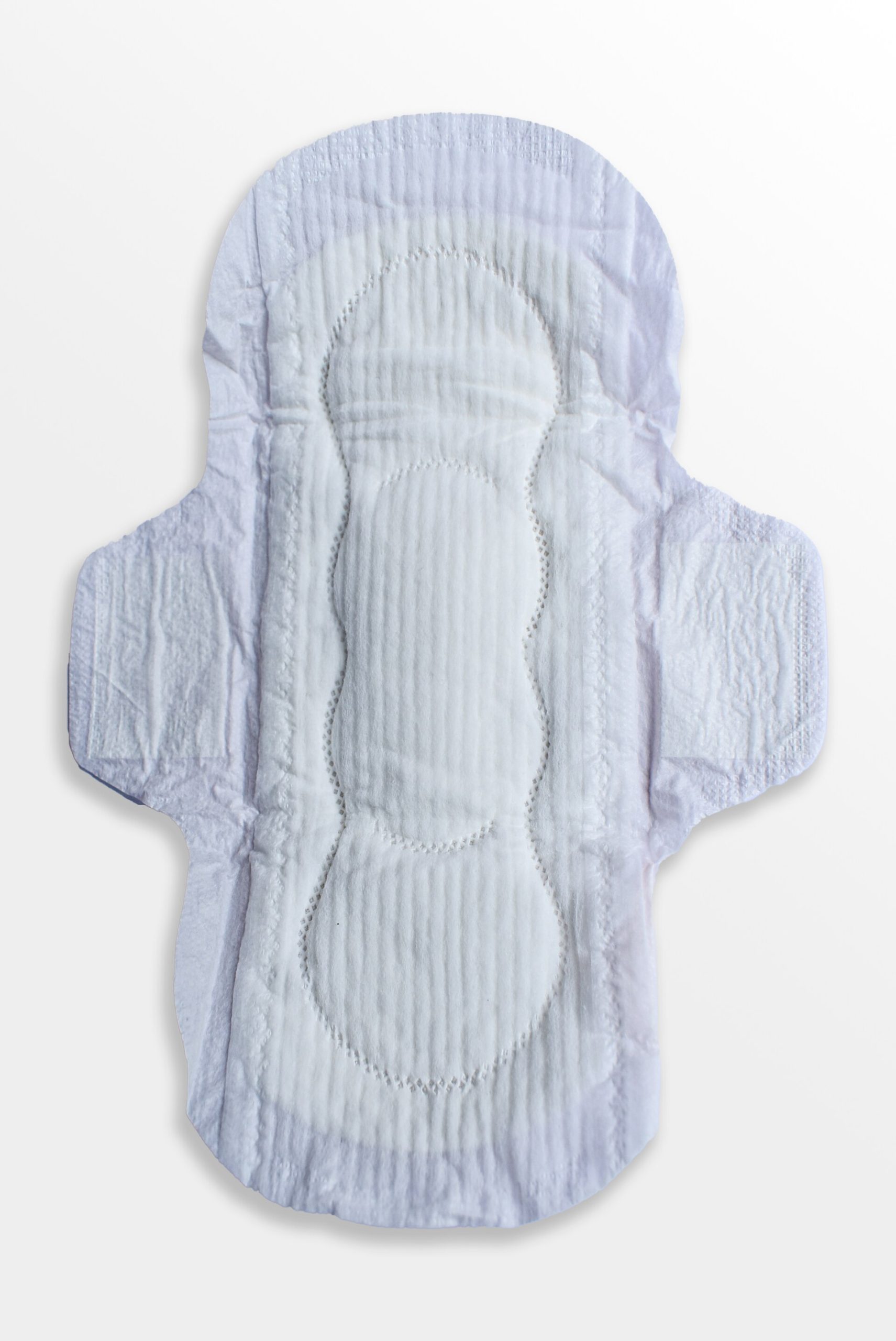
    A scented pad is a standard sanitary pad with added fragrance, usually a mix of synthetic perfume chemicals, sometimes with botanical extracts like chamomile or aloe. The fragrance serves one purpose: marketing. It does not make the pad more absorbent, more hygienic or safer. In some products the scent is added to mask the smell of the materials themselves or to create an impression of cleanliness that has nothing to do with how the pad performs.

    Why scented pads can irritate

    The skin around the vulva is more sensitive than most skin on your body, and it sits in a warm, moist environment where fragrance chemicals can linger for hours. Perfume ingredients are among the most common causes of allergic contact dermatitis, and when they sit against sensitive skin all day, the result can be redness, itching, burning or soreness that has nothing to do with infection.

    The NHS points out that the vagina cleans itself with natural discharge, and most soaps, perfumes and hygiene products do more harm than good when used inside or on the area. Fragranced pads sit right in that category: they are not cleaning anything, and they add an irritant where the body already has a careful balance.

    There is another, quieter problem. Odor can be a useful signal. A sudden strong or fishy smell, or a smell that follows an unusual discharge, can point to an infection such as bacterial vaginosis or trichomoniasis. When a scented pad masks that smell for a few hours, it can delay the moment you notice something changed. ACOG’s guidance on vaginitis is blunt about this: abnormal discharge or odor deserves a medical visit, not perfume.

    Myth vs fact: the freshness claims

    • Myth: Scented pads keep you “fresh” and prevent odor.
    • Fact: They only cover smell temporarily. True freshness comes from changing pads regularly, washing with plain water and letting the area breathe.
    • Myth: If a pad is scented with chamomile or aloe, it must be soothing.
    • Fact: Botanical names in the ingredient list are still fragrance and still carry allergen risk, especially on already irritated skin.
    • Myth: A scented pad is more hygienic than an unscented one.
    • Fact: Hygiene depends on absorbency, how often you change the pad and how you wash, not on perfume.
    • Myth: Fragrance is only a problem for people with allergies.
    • Fact: Anyone can develop irritation over time. Sensitive skin is common, and it often shows up only after repeated exposure.

    Safer period hygiene habits

    • Choose unscented pads, ideally with a cotton or breathable top layer. Your skin will thank you.
    • Change pads every 4 to 6 hours during the day, and always after heavy flow, regardless of scent.
    • Wash the outer area with plain water and your fingers, once a day is enough. Skip soap inside, and skip douching completely.
    • Avoid perfumed wipes, sprays and powders around the vulva for the same reason you would skip a scented pad.
    • Wear breathable underwear and change out of wet clothes, including swimwear, promptly.
    • If you want to track symptoms and spot patterns in discharge, cramps and mood, a period tracker can help you notice changes early.

    When to see a doctor

    See a doctor if you notice a strong or unusual vaginal odor, especially a fishy one, if discharge changes color or texture, if there is persistent itching, burning or soreness, or if irritation from a product does not settle within a few days of switching to unscented options. The NHS notes that a change in discharge can also be a sign of thrush or other infections, and treating the right cause matters more than covering the symptom.

    How Lail can help

    Lail is a private period and cycle tracker for people who want to understand their bodies without handing over their data. Log your period days, flow, symptoms and mood, and Lail learns your cycle to predict what comes next. Over a few cycles you can see your own patterns, which makes it much easier to notice when something is genuinely different and worth mentioning to a doctor. Everything stays on your phone: no account, no login, no cloud upload.

    Download Lail from Google Play or visit lailapp.nayabisa.com. For more myth-busting reads, see whether soda can affect your period, and browse our cycle and fertility guides.

    FAQ

    Are scented pads safe for teenagers?

    They are not recommended for anyone, and younger skin tends to be even more sensitive. Unscented pads are the safer choice for a first period too.

    Do scented pads cause infections?

    They are not proven to cause infections directly, but fragrance can irritate and inflame skin, which can make it easier for problems to start, and it can hide odor changes that signal an infection. That combination is reason enough to skip them.

    Can I use scented panty liners every day?

    Daily use is exactly where irritation tends to build up. If you wear a panty liner every day, choose unscented ones and change them often.

    What about scented tampons or wipes?

    Avoid fragrance in anything that touches the area, tampons included. If you use tampons, change them regularly, and never leave one in longer than the package advises.

    Scented pads caused a rash for me. What should I do now?

    Stop using them immediately and switch to unscented pads while the area settles. Wash gently with plain water, avoid soap, tight clothing and scratching, and give it a few days. If the irritation spreads, weeps or does not improve, see a doctor rather than layering on creams you are not sure about.

    Disclaimer

    This article is for educational purposes only and is not medical advice. Bodies and sensitivities differ. If you have persistent irritation, unusual odor or discharge, or any concern about your health, please consult a qualified healthcare provider.

    Sources

    • NHS – Vaginal discharge: https://www.nhs.uk/conditions/vaginal-discharge/
    • NHS – Vaginal thrush: https://www.nhs.uk/conditions/vaginal-thrush/
    • ACOG – Vaginitis: https://www.acog.org/womens-health/faqs/vaginitis
  • Can Soda Affect Your Period? Myth vs Fact

    Can Soda Affect Your Period? Myth vs Fact

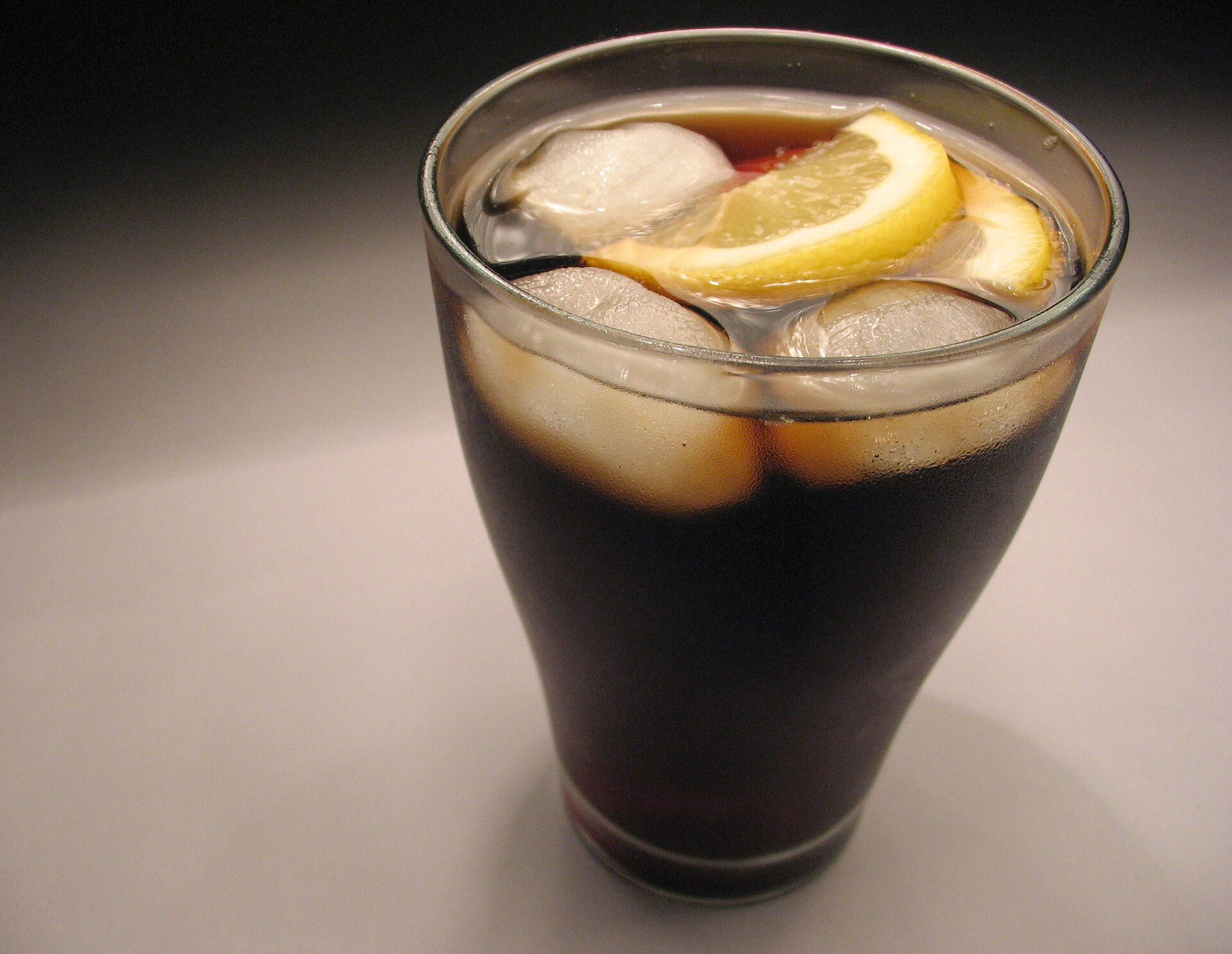
    It starts as a harmless video: someone tilts a can of soda toward the camera and promises that drinking it will “clean out” your period and make it end faster. The comments fill up fast, half of them relieved, half of them skeptical. By the time the clip reaches your feed, it has been shared enough times that it starts to feel like received wisdom. Most people typing “can soda affect your period” into a search bar are really asking whether a fizzy drink can rush things along, and they deserve a straight answer.

    The straight answer is no. Because this myth touches something as personal as your period, it deserves a proper explanation instead of a snappy caption.

    Key takeaways

    • No credible medical evidence shows that soda, cold drinks or carbonated beverages can end a period early or shorten bleeding.
    • Menstrual bleeding ends when your uterine lining has been shed and hormone signals settle, not because of anything you drink.
    • A regular cycle can last 24 to 38 days, and menstrual bleeding itself usually lasts 2 to 7 days, so comparing your length to a friend’s tells you little.
    • Sugar and caffeine can affect cramps and energy for some people, but that is not the same as changing when bleeding stops.
    • If your period suddenly becomes much shorter, lighter or stops altogether, the explanation is usually hormonal, not dietary, and it deserves a medical check-up.

    Where the soda rumor comes from

    The idea appears in many variations around the world. Some versions claim carbonation “flushes” the uterus. Others say cold drinks “shock” the body into shedding faster, or that the sugar rush speeds everything along. None of these mechanisms exist in physiology. Your uterus is not a pipe that fizzy liquid can rinse out, and your stomach and reproductive system are entirely separate pathways.

    The rumor probably survives because periods are unpredictable enough that any drink, tea, food or stretch you tried around the same time can look like the cause. That is a coincidence trap, not evidence. The same trap keeps a whole shelf of period myths alive, and we collected the ones that keep coming back.

    Can soda affect your period? What the evidence says

    The honest answer is no, not in the way the videos claim. No study shows that carbonated drinks shorten menstrual flow. What the evidence does show is that your cycle length and bleeding days are governed by hormones, mainly estrogen and progesterone, and by the uterine lining they build and then release. A fizzy drink does not change that sequence.

    The US Office on Women’s Health describes a typical cycle as 24 to 38 days, with period bleeding lasting 2 to 7 days. Plenty of people fall outside that range and are perfectly healthy, and plenty of people inside it still worry needlessly because they compare themselves to a different “normal.” If your own pattern is stable, that is the number that matters.

    What actually ends a period

    Menstruation begins when hormone levels drop and the built-up uterine lining sheds. Bleeding continues while the lining comes away and the uterus contracts to help expel it, which is why prostaglandins, the chemicals behind cramps, peak during the first days. Once the lining is gone and clotting and repair take over, the flow tapers and stops. That whole process takes as long as it takes, usually several days, and it is driven from the inside.

    You can influence comfort around your period with heat, rest, movement and good food, but you cannot command the lining to exit on a schedule. Anyone claiming a drink, herb or exercise “makes your period finish in one day” is describing a hope, not a mechanism.

    Sugar, caffeine and cramps: the small asterisk

    There is one grain of truth buried in the myth, and it is about comfort rather than timing. For some people, large amounts of caffeine can make anxiety, irritability and sleep worse, which can make cramps feel more intense even if the bleeding itself is unchanged. Very sugary drinks can spike your energy and then drop it, leaving you more tired during a phase when your body is already working hard.

    So the practical advice is boring but real: stay hydrated, keep caffeine moderate, eat regularly. If a soda genuinely makes you feel worse during your period, skip it for your own comfort. Just do not expect it, or any other drink, to rewrite your menstrual calendar.

    When a “weird period” deserves a doctor

    Watch for real changes rather than a one-off short cycle. See a doctor if your periods stop for several months and you are not pregnant, if bleeding becomes suddenly much heavier or much lighter than your usual pattern, if cycles swing wildly outside 24 to 38 days, or if pain stops you from functioning. These signs point to hormonal or medical causes worth investigating, and they are far more informative than anything a soda can or cannot do.

    How Lail can help

    Lail is a private period and cycle tracker built around the idea that your body is the expert and your data stays yours. It learns your cycle length, predicts your next period and shows which phase you are in today, so you can see your own normal instead of someone else’s. You can log symptoms, mood and flow, which makes it easy to spot a genuine change and describe it clearly to a doctor. Everything stays on your phone: no account, no login, no cloud upload.

    Download Lail from Google Play or visit lailapp.nayabisa.com. For more myth-busting, browse our cycle and fertility guides.

    FAQ

    Can soda affect your period length?

    No. Carbonated drinks do not change the hormone signals that control how long your uterine lining takes to shed. Length is set by your cycle, not your glass.

    Do cold drinks delay your period?

    No. Temperature of drinks has no effect on when menstruation starts or stops. Your uterus sits deep in your pelvis, well protected from anything you swallow.

    Does caffeine make periods worse?

    For some people, heavy caffeine can amplify anxiety, irritability and sleep problems, which can make cramps feel stronger. It does not change when bleeding ends.

    When should I worry about a short or light period?

    A one-off shorter period is usually nothing. Talk to a doctor if the change lasts several cycles, if you have missed periods without pregnancy, or if bleeding suddenly becomes much heavier or more painful than your norm.

    Does an energy drink or diet soda count as the same thing?

    Yes, for the purposes of this myth. Carbonation, sugar substitutes and caffeine do not change the hormonal sequence that ends a period. What you drink can affect how you feel, not when you stop bleeding.

    Can soda affect your period if you drink it every day?

    No. Frequency does not matter here, because there is no mechanism for the drink to reach your uterus in the first place. If you drink a lot of soda and also notice cycle changes, the more useful question is what else changed, from stress to weight to medication.

    Disclaimer

    This article is for educational purposes only and is not medical advice. Menstrual cycles vary widely from person to person. If you are worried about a change in your period, please consult a qualified healthcare provider.

    Sources

    • US Office on Women’s Health – Your menstrual cycle: https://www.womenshealth.gov/menstrual-cycle/your-menstrual-cycle
    • NHS – Periods: https://www.nhs.uk/conditions/periods/
    • ACOG – Period problems: https://www.acog.org/womens-health/faqs/period-problems
  • What to Eat on Your Period, Phase by Phase

    What to Eat on Your Period, Phase by Phase

    Somewhere in the second half of your cycle, the fridge stops helping. You stand there, door open, craving chocolate and quietly resenting the vegetables. Then your period lands and the rules seem to change again, which is when most people start typing “what to eat on your period” into a search bar. The honest answer is shorter than the internet makes it: a few evidence-backed food switches, timed to where you are in your cycle, beat any all-purpose listicle.

    Key takeaways

    • Your period is when iron matters most: adult women need about 18 mg of iron per day — more than double the 8 mg recommended for men — largely because of monthly blood loss (Harvard T.H. Chan School of Public Health).
    • A “regular” cycle is not a strict 28 days: anything from 24 to 38 days counts as regular (US Office on Women’s Health).
    • Cutting back on caffeine, salt and sugar in the two weeks before your period may lessen many PMS symptoms (US Office on Women’s Health).
    • Among supplements studied for PMS, calcium has the most consistent evidence; vitamin B6 may also help, while results for magnesium are mixed. Food first — ask a doctor before supplementing.
    • Food supports your cycle, but it is not a treatment. Heavy bleeding, severe PMS or a suddenly changed cycle warrant a medical check-up.

    What to eat on your period: start here

    Short version: while you bleed, prioritise iron paired with vitamin C and keep meals regular. In the two weeks before your period, ease off salt, sugar and caffeine, which is the change most likely to soften PMS. What to eat on your period, in practical terms, comes down to a handful of choices; the sections below walk through each phase so you know why, not just what.

    Your cycle in four phases: a quick map

    Your menstrual cycle is counted from the first day of one period to the first day of the next. A 28-day cycle is typical, but every body is different, and periods are still considered regular if they arrive every 24 to 38 days (US Office on Women’s Health). The table below uses a textbook 28-day cycle, so treat the day ranges as rough guides.

    Phase Typical timing What is happening Food focus
    Menstrual Days 1–5 The uterine lining sheds; you lose blood and iron Iron-rich foods + vitamin C
    Follicular Roughly days 6–13 Estrogen rises, energy climbs, the lining rebuilds Protein, fibre, vegetables
    Ovulation Around day 14 The ovary releases an egg Fresh, anti-inflammatory foods
    Luteal Roughly days 15–28 Progesterone rises; PMS symptoms can appear Complex carbs, calcium, magnesium

    Menstrual phase (days 1–5): replace the iron you lose

    When it comes to what to eat on your period, the most science-backed priority is iron. Iron deficiency is the most common nutritional deficiency worldwide, and women who menstruate are among those at highest risk — hence the 18 mg daily recommendation for women aged 19–50 versus 8 mg for men (Harvard T.H. Chan School of Public Health). If you are not sure whether your own flow counts as heavy, the size and number of period blood clots is the easiest thing to measure.

    The NHS recommends iron-rich foods such as dark-green leafy vegetables (watercress, curly kale), meat, pulses (beans, peas, lentils), dried fruit (apricots, prunes, raisins), and bread or cereals with added iron.

    Iron type matters too. Iron from meat (heme iron) is absorbed well, while iron from plants (non-heme iron) is absorbed better when eaten with vitamin C or alongside heme iron (Harvard T.H. Chan School of Public Health). So pair lentil soup with berries or lemon, and add peppers or tomatoes to bean dishes. Meanwhile, tea, coffee, large amounts of dairy, and wholegrains high in phytic acid can slow iron absorption — so keep them between meals rather than with your iron-rich plate (NHS).

    If your bleeding is heavy, food alone may not be enough — heavy loss is also a common cause of feeling dizzy and weak on your period. See the “When to see a doctor” section below.

    Follicular phase (days ~6–13): steady energy as estrogen rises

    Once your period ends, energy often returns as estrogen climbs. There is no special “follicular superfood” — this phase is a good time to settle back into balanced meals: a palm-size portion of protein (eggs, fish, chicken, tofu or beans), plenty of vegetables or fruit, and fibre from whole grains, oats or legumes. Keep pairing plant iron with vitamin C to restock the stores you just used. If the phase names are the part that trips you up, we walk through the four menstrual cycle phases in order.

    Ovulation (around day 14): fresh and anti-inflammatory

    Ovulation is when the ovary releases an egg — one that survives only 12 to 24 hours (US Office on Women’s Health). There is little research on a special “ovulation diet,” so keep it simple: light, anti-inflammatory choices such as oily fish, nuts, berries and leafy greens, plus plenty of water.

    Luteal phase (days ~15–28): calm cravings and PMS with the right picks

    This is where food choices can help the most. PMS symptoms — bloating, headaches, moodiness, cravings — typically begin a week or two before your period, and more than 9 in 10 women report at least some of them (US Office on Women’s Health). The most useful rule from the same source: avoiding foods and drinks with caffeine, salt and sugar in the two weeks before your period may lessen many PMS symptoms. Salt encourages bloating and water retention; sugary foods spike and crash your energy; caffeine can worsen irritability and sleep. You do not need to be perfect — but cutting back in that fortnight is one of the most evidence-aligned changes you can make.

    When cravings hit, they are normal. Reach first for filling complex carbohydrates such as oats, brown rice, sweet potato, wholegrain bread or legumes, which digest slowly and keep blood sugar steady — and keep meals regular so you are less tempted to graze on sugar.

    Three nutrients stand out (US Office on Women’s Health):

    • Calcium — studies suggest it can reduce PMS symptoms such as fatigue, cravings and low mood. Sources: milk, yogurt, cheese, calcium-fortified orange juice or cereals.
    • Vitamin B6 — may help with moodiness, irritability, bloating and anxiety. Found in fish, poultry, potatoes and fortified cereals.
    • Magnesium — research results are mixed, but it may help some women, including those with menstrual migraines. Found in spinach, nuts and whole grains.

    Get these from food first, and talk to a doctor before taking supplements — they are not regulated like medicines (US Office on Women’s Health).

    Foods to limit across the month (not a ban list)

    • Tea and coffee with iron-rich meals can reduce iron absorption, so save them for between meals.
    • Spicy food is not off-limits, but it is a common cramp trigger for some people — see whether spicy food makes cramps worse before you make it a habit.
    • Salt, sugar and caffeine in the two weeks before your period, when they are most likely to worsen bloating, cravings and mood.
    • Nothing needs to be banned. Consistency across the month beats perfection in any single phase.

    When to see a doctor

    Food choices can support your cycle, but some symptoms need medical advice:

    • Heavy bleeding. See a GP if you need to change your pad or tampon every 1 to 2 hours, your period lasts more than 7 days, you pass clots larger than about 2.5 cm, you bleed through to clothes or bedding, or you often feel tired and short of breath (NHS). Heavy periods commonly cause iron deficiency anaemia, and a blood test can check your iron levels.
    • Possible anaemia. Persistent tiredness, lack of energy, breathlessness, heart palpitations, pale skin and headaches can all be signs of iron deficiency anaemia (NHS). Do not self-treat with high-dose iron — get tested first.
    • PMS that disrupts your life. If symptoms keep you from normal activities in the five days before your period for several cycles in a row, track them for a few months and share the pattern with a doctor. A small percentage of women have a severe form, PMDD, that needs proper treatment (US Office on Women’s Health).
    • A cycle that stops being regular. Periods that regularly fall outside 24–38 days, or a sudden change in your usual pattern, are worth raising with a doctor (US Office on Women’s Health).

    How Lail can help

    Lail is a private period and cycle tracker that puts this into practice. It learns your cycle length, predicts your next period, and shows you which phase you are in today. Its Wawasan (Insights) section offers food, activity and information suggestions matched to your current cycle phase — timed to where you actually are. You can also log symptoms, mood and weight to spot your own patterns over time. Lail keeps everything on your phone: no account, no login, no cloud upload. For more cycle science, browse our cycle and fertility guides. Download Lail from Google Play or visit lailapp.nayabisa.com.

    FAQ

    What should I eat during my period?

    Prioritise iron: leafy greens, meat, pulses, dried fruit and fortified cereals, paired with vitamin C. Keep tea and coffee away from iron-rich meals and stay hydrated.

    Can food make period cramps or PMS worse?

    The evidence is strongest for the premenstrual weeks: cutting back on caffeine, salt and sugar in the two weeks before your period may lessen many PMS symptoms such as bloating, moodiness and cravings (US Office on Women’s Health).

    Is calcium really helpful for PMS?

    Studies suggest yes — calcium appears to reduce PMS symptoms including fatigue, cravings and low mood. Milk, yogurt, cheese and fortified plant milks or juices are good food sources.

    Should I take iron supplements during my period?

    Only if a doctor recommends it. Iron deficiency is common in people who menstruate, but high-dose iron has side effects and can mask other problems — ask for a blood test first.

    Is a “cycle-syncing diet” backed by science?

    Partially. The strongest evidence supports eating more iron during your period and limiting salt, sugar and caffeine before it. Many specific phase-by-phase rules are popular but not yet well studied, so treat them as gentle guidance rather than a strict prescription.

    Disclaimer

    This article is for educational purposes only and is not medical advice. Menstrual cycles and nutritional needs vary from person to person. If you are concerned about heavy bleeding, severe PMS, possible anaemia, or any change in your cycle, please consult a qualified healthcare provider.

    Sources

    • NHS — Iron deficiency anaemia: https://www.nhs.uk/conditions/iron-deficiency-anaemia/
    • NHS — Heavy periods: https://www.nhs.uk/conditions/heavy-periods/
    • US Office on Women’s Health — Your menstrual cycle: https://www.womenshealth.gov/menstrual-cycle/your-menstrual-cycle
    • US Office on Women’s Health — Premenstrual syndrome (PMS): https://www.womenshealth.gov/menstrual-cycle/premenstrual-syndrome
    • Harvard T.H. Chan School of Public Health — Iron: https://www.hsph.harvard.edu/nutritionsource/iron/