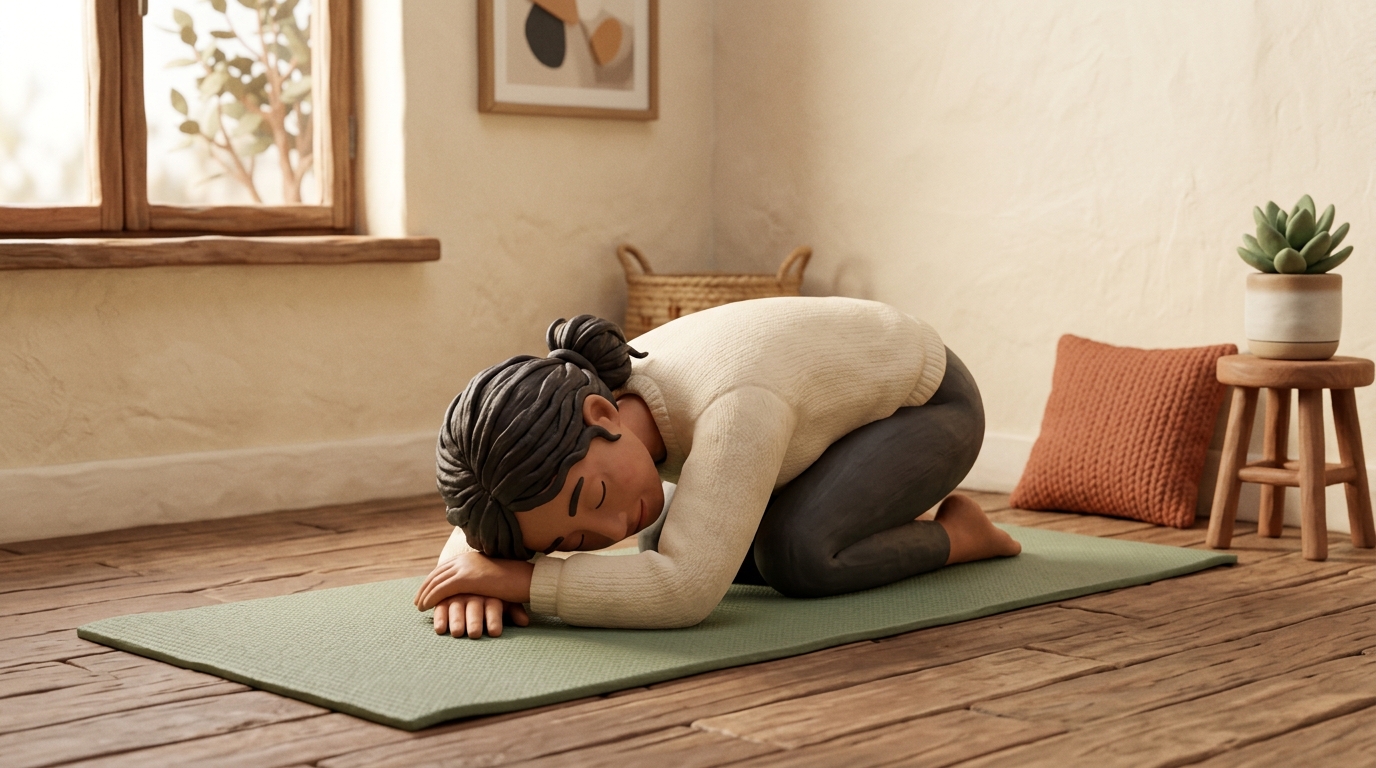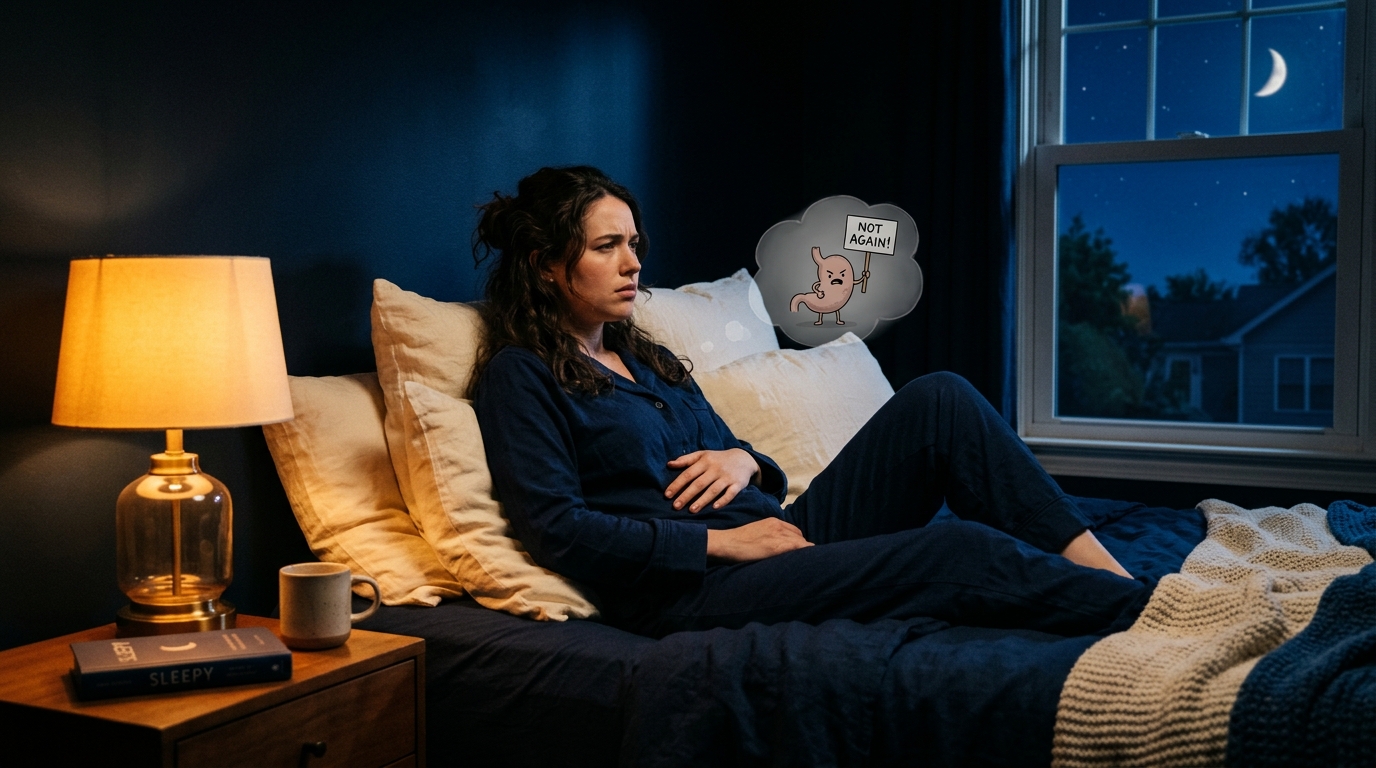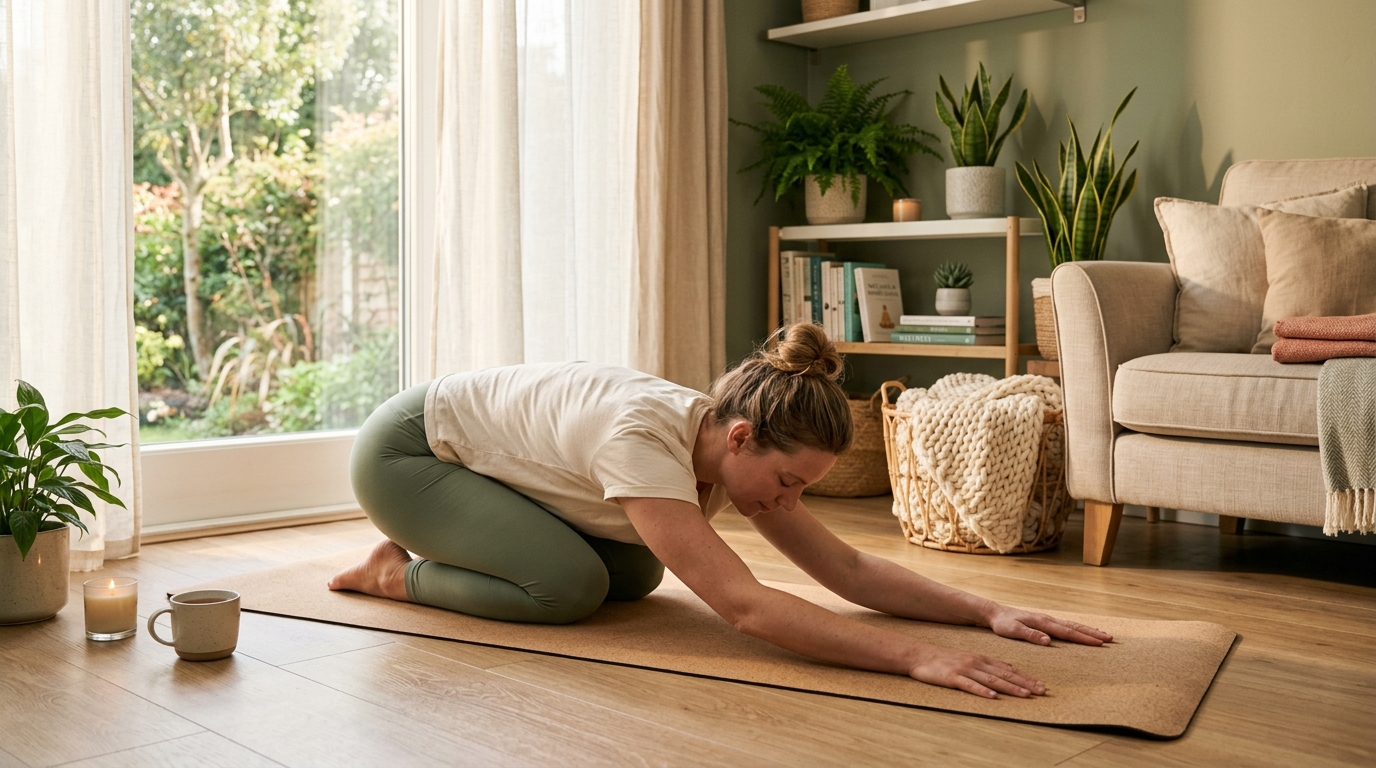
The first time someone told me I should go for a run while I was on my period, I laughed. Was this person serious? I could barely drag myself off the couch, wrapped in a blanket with a heating pad pressed against my stomach, and they wanted me to jog? The idea sounded not just unpleasant but genuinely unsafe. For years I believed the same thing most women around me seemed to believe too: that exercising on your period was something you just did not do. Your body was going through something, and the responsible thing was to rest. Your body was going through something, and the responsible thing was to rest. It felt like common sense.
Except common sense and science do not always agree. When I actually started looking into the research, I realized almost everything I believed about exercise and periods was either exaggerated, outdated, or flat-out wrong. What surprised me most was not just that exercise was safe during menstruation, but that it might actually be one of the best things you can do for yourself during those days. Here are the myths I had to unlearn. According to a large-scale study by Harvard, there is no physiological reason to avoid exercise during any phase of your cycle unless a doctor has told you otherwise.
Myth 1: Exercising on Your Period Is Dangerous or Unsafe
This is the big one, the myth that sits underneath all the others. A lot of women genuinely believe that menstruation is a time for complete physical rest. The truth is there is no medical reason to avoid exercise during your period unless you have a specific condition like severe anemia or endometriosis that your doctor has flagged. For most women, continuing to move is not just safe but actively beneficial. The American College of Obstetricians and Gynecologists recommends regular exercise throughout the entire menstrual cycle. A Harvard Apple Women’s Health Study found that exercise habits naturally fluctuate across cycle phases, but there is no evidence that exercising during the menstrual phase itself causes harm.
Myth 2: Exercise Makes Period Cramps Worse
I used to think the pelvic area was having a tough enough time already and the last thing it needed was me bouncing around. Turns out the opposite is true. Moderate exercise triggers the release of endorphins, your body’s natural painkillers. These endorphins do not just lift your mood; they directly counteract prostaglandins, the compounds responsible for those uterine contractions that cause cramping. Think of endorphins as your body’s built-in ibuprofen, except you generate them yourself by moving. A 2019 meta-analysis published in the Journal of Education and Health Promotion reviewed multiple studies and concluded that regular aerobic exercise significantly reduces menstrual pain intensity. The science is consistent on this one.
Myth 3: You Should Only Do Gentle Stretching or Yoga
Listen, if gentle yoga feels right for you on day one, do gentle yoga. I am not here to tell anyone to deadlift through their cramps. But the idea that you must limit yourself to low-intensity movement is not based on any physiological rule. Strength training, running, cycling, swimming — these are all fine if you feel up to them. In fact, some women report that their best workouts happen during menstruation. A 2025 study published in the Strength and Conditioning Journal found that there is no consistent evidence supporting the idea that women should periodize their training around their cycle. The researchers concluded that individual perception and how you actually feel on a given day matter far more than any blanket prescription about what phase of your cycle you are in.
Myth 4: Exercising Increases Your Menstrual Flow
This fear makes intuitive sense. More movement equals more blood moving around the body, right? But menstrual flow is not controlled by your overall circulation like that. It is the shedding of the uterine lining, a process governed by hormonal signals, not by how much you are moving your legs. Exercise does not increase the total volume of menstrual bleeding. Some women may notice a temporary sensation of increased flow right after a workout, but this is usually just gravity helping what was already in the uterus exit more quickly. The total amount does not change. If anything, regular exercise over time is associated with lighter, more regular periods because of its beneficial effects on hormone regulation and body composition.
Myth 5: Working Out on Your Period Messes Up Your Hormones
During menstruation, both estrogen and progesterone are at their lowest points in the cycle. This does have some effect on things like energy levels and even ligament laxity, which is why some women feel slightly more prone to joint discomfort during their period. But exercising does not disrupt your cycle or throw your hormones out of balance. If anything, regular moderate exercise supports a healthier menstrual cycle over time by helping regulate insulin sensitivity, managing inflammation, and maintaining a healthy body weight, all of which contribute to hormonal balance. The only time exercise becomes a hormonal concern is at the extreme end — very intense training combined with caloric deficit, which can cause amenorrhea in some athletes. That is a completely different scenario from going for a thirty-minute jog or a strength session during your period.
Myth 6: Exercising on Your Period Will Make You Feel Worse
This one is personal. I have had days where the thought of putting on workout clothes felt like someone asking me to climb a mountain. But here is what I noticed after I started experimenting: every single time I actually tried exercising on my period, even just a twenty-minute walk, I felt noticeably better afterward. Not transformed into a different person. Just less bloated, less irritable, and less trapped inside my own discomfort. There is a feedback loop here that is easy to underestimate. You feel bad, so you skip exercise. Skipping exercise makes you feel worse the next day. Breaking that loop even once changes how you experience the rest of your period. It is not about hitting personal records. It is about reminding your body that it is still capable of feeling good.
So What Should You Actually Do?
The honest answer is: whatever feels manageable. Some women feel terrible on day one and great on day three. Some feel the opposite. There is no universal schedule. The only rule that actually holds up is to listen to your body as it is today, not as you think it should be. If you have energy, use it. If you are exhausted, rest without guilt. The goal is not to prove anything. The goal is to stay connected to your body instead of checking out for a week every month.
I still have days where my heating pad wins and the workout does not happen. The difference now is I do not believe I am doing my body a favor by staying still. I know the difference between needing rest and just assuming rest is the only option. That shift changed my entire relationship with my cycle. If you have been sitting on the sidelines during your period for years because someone told you exercise was dangerous or pointless, maybe give yourself permission to test that assumption. You might be surprised by what your body can actually do.
I have also learned that walking every day, not for exercise but for my mind, turned out to be the thing that got me through the hardest period days without feeling like I was forcing anything. And when I finally stopped trying to be a morning person, I realized that forcing myself into rigid workout schedules was half the problem — my body already knew what it needed, I just was not listening.
How Ananta can help
Ananta is our self-care and journal app for Android: a short daily place to log your mood and sleep, read one affirmation, and keep a small routine going through a busy week. If the advice above sounds right but you know a paper journal will not survive past Tuesday, that is the gap Ananta is built for. It is on the landing page and on Google Play, and you can see all of our apps on the Apps & Products page.