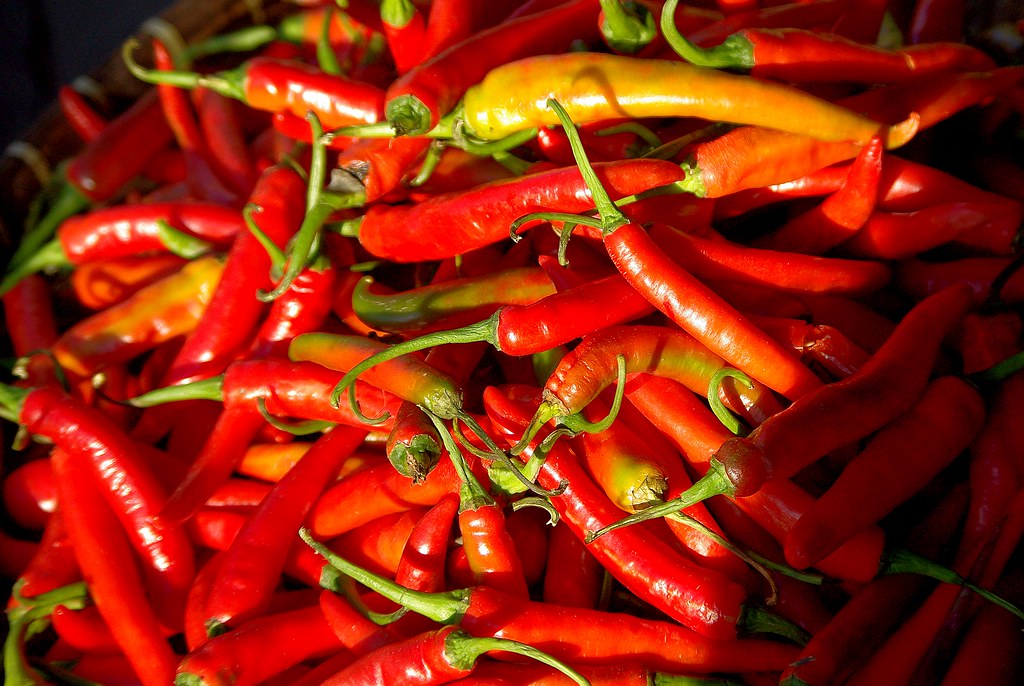
Sriracha on the eggs, a chilli-laced lunch, and then an evening curled around a hot water bottle with a stomach that will not settle. Lots of people have that experience once and decide the two things do not mix. The truth is that spicy food on your period is not automatically a problem, but it helps to know what your gut is doing and why.
Two suspects get blamed for the same crime, and they are worth separating. One is the chemical behind your cramps. The other is a compound in chilli that your gut can genuinely feel.
Key takeaways
- Period cramps come from prostaglandins, a chemical your body releases to shed the uterine lining, not from what you ate.
- There is no good evidence that chilli changes your cycle length, flow or hormone levels.
- Spicy food on your period can irritate a gut that is already sensitive, which is how bloating, heartburn or loose stools creep in.
- If you have reflux, IBS, gastritis or a stomach ulcer, giving the heat a miss for a few days is the sensible move.
- Heat, gentle movement, fluids and anti-inflammatory painkillers are the things actually shown to ease period pain.
What is really causing the pain
Menstrual cramps happen when a chemical called prostaglandin makes your uterus contract. Levels rise just before your period starts and fall again once bleeding begins, which is why the worst of it usually lands in the first 24 to 48 hours.
Those prostaglandins do not stay in your uterus. Cleveland Clinic lists nausea, dizziness, headaches, fatigue and diarrhoea among the other symptoms that turn up alongside the cramping, so a churning stomach is part of the package for many people, spice or no spice.
How much pain you get is not something diet alone decides. Researchers think higher prostaglandin levels play a role, but they are not certain why some people get severe cramps while others barely notice them. About 60% of people with a uterus have mild cramps during their period, and around 5% to 15% report pain severe enough to disrupt daily life.
Does chilli affect your cycle at all?
Nothing in the research suggests that eating spicy food delays a period, makes the flow heavier or shifts your hormones. Cycle length and flow are driven by your reproductive hormones, and capsaicin does not interfere with them.
Most of what people blame on chilli during their period is a stomach problem stacked on top of a period problem, rather than a change to the cycle itself.
The closest thing to direct evidence is small. A case-control study published in the Nigerian Medical Journal in 2026 compared 40 young women with primary dysmenorrhoea against 33 without it. The group with painful periods reported eating more spicy food and drinking more tea and coffee, and fewer fruits and vegetables.
That study cannot tell you whether the diet came first or the pain did. It followed 73 people and relied on what they remembered eating, which is exactly the kind of design that turns up associations without proving cause. Treat it as a thread worth pulling, not a verdict on your dinner.
Why spicy food on your period can hurt your stomach
The short answer is that two irritants meet in the same place. Capsaicin, the compound that gives chilli its heat, is the first one. Your mouth adapts to it fairly quickly, but the rest of your digestive tract has no such talent, and Cleveland Clinic notes that overdoing it can cause diarrhoea.
Bloating is the second half of the problem. NHS guidance notes that some people feel bloated around the time of their period, and a full, gassy abdomen has less tolerance for anything aggressive. Add heartburn and you have a fairly complete explanation for the ache.
On heartburn, the NHS is direct: spicy food is listed among the things that can cause or worsen acid reflux, alongside coffee, tomatoes, chocolate, alcohol and fatty food. None of that makes chilli dangerous. It makes it a poor companion for a week when your gut is already complaining.
When it is worth skipping the heat
For most people there is no reason to ban anything. If chilli has never given you trouble at other times of the month, spicy food on your period will probably behave the same way it always does, and there is nothing to fix.
There are exceptions. If you have acid reflux or GORD, irritable bowel syndrome, gastritis or a stomach ulcer, taking a few days off the heat is the low-risk call, because your gut is working with less margin than usual. The same advice applies if you have noticed chilli giving you loose stools or cramps at any point in your cycle. Your own track record beats a general rule.
If you want warmth without the burn, ginger and black pepper do the job. Ginger shows up on Cleveland Clinic’s list of anti-inflammatory foods that people use for period pain, along with leafy greens, nuts and green tea.
What actually helps with period pain
- Heat is the most reliable home remedy: a hot water bottle or heat pad on your lower back or abdomen, or a warm bath, is what both the NHS and Cleveland Clinic reach for first.
- Anti-inflammatory painkillers such as ibuprofen or naproxen lower prostaglandin levels, and Cleveland Clinic advises taking them as soon as cramping starts.
- Gentle movement helps, and people who walk, swim, cycle or practise yoga regularly tend to report less menstrual pain.
- Massaging your lower back and abdomen is worth ten minutes of your evening.
- Keep fluids up, because diarrhoea and sweating both cost you water and dehydration makes an already uncomfortable body feel worse.
- Cut back on caffeine and alcohol for a few days and skip cigarettes entirely, since the NHS notes that cutting down on alcohol and not smoking may ease period pain.
If you want a wider view of what to eat across the month, we put together a phase-by-phase food guide for your period. The same logic about irritants applies to fizzy drinks, which we covered in can soda affect your period.
When to see a doctor
Some patterns deserve a proper look rather than a tweak to your dinner.
Ask for an urgent appointment if your pelvic or period pain is severe, or worse than usual, and painkillers have not helped. Book a routine appointment if your periods become more painful, heavier or irregular, if the pain stops you doing your usual daily activities, if you have pain during sex or when you pee or poo, if you bleed between periods, or if you notice a swollen tummy, loss of appetite or weight loss you did not intend.
How Lail can help you spot your own patterns
General advice can only take you so far, because the only data that matters is yours. Lail is a private period tracker for Android that lets you log symptoms, mood and weight, and it keeps all of it on your own device with no account and no cloud backup. That matters here, because you can look back over two or three cycles and see whether your stomach genuinely reacts worse to chilli in the days before your period, or whether it happens all month. You can get Lail for free on the Play Store.
Frequently asked questions
Can you eat spicy food on your period?
Yes, for most people. If spicy food on your period has never given you trouble, there is nothing to fix. You only need to adjust if you have a reflux, IBS or ulcer diagnosis, or if you have noticed a repeat pattern of stomach pain, loose stools or heartburn after spicy meals.
Does spicy food make your period heavier or later?
No. Cycle length, flow and hormone levels are driven by your reproductive hormones, and there is no evidence that chilli interferes with them. If your period is unusually late or heavy, look at other causes first, including stress and illness.
Why does my stomach hurt when I eat spicy food during my period?
Because two things are happening at once. Capsaicin irritates the gut lining, and the prostaglandins behind your cramps have your bowel more reactive than usual. Period-related bloating adds pressure on top, so your stomach complains louder than it would in any other week.
Does spicy food cause period cramps?
No. Cramps come from prostaglandins making your uterus contract. Chilli does not trigger those contractions, and no study has shown that it does. What chilli can do is make an already uncomfortable abdomen feel worse.
Is spicy food off-limits if I have endometriosis or PCOS?
There is no specific rule about chilli for either condition. Pain in endometriosis and PCOS can come from sources other than prostaglandins, so a doctor is the right person to ask about your triggers. A symptom log gives you something concrete to bring to that conversation.
Disclaimer
This article is educational and is not medical advice. Period pain, digestion and diet interact differently for every person, so speak to a qualified healthcare provider about your own situation, especially before changing how you manage pain.
Sources
- NHS: Period pain – https://www.nhs.uk/conditions/period-pain/
- NHS: Bloating – https://www.nhs.uk/conditions/bloating/
- NHS: Indigestion – https://www.nhs.uk/conditions/indigestion/
- NHS: Heartburn and acid reflux – https://www.nhs.uk/conditions/heartburn-and-acid-reflux/
- Cleveland Clinic: Dysmenorrhea (Menstrual Cramps) – https://my.clevelandclinic.org/health/diseases/4148-dysmenorrhea
- Cleveland Clinic: 5 Benefits of Eating Spicy Food – https://health.clevelandclinic.org/is-spicy-food-good-for-you
- Singh M, et al. Correlation Between Oxidative Stress and Antioxidant Status in Adolescents and Young Females with Primary Dysmenorrhea. Niger Med J, 2026. – https://pubmed.ncbi.nlm.nih.gov/42605411/
Leave a Reply