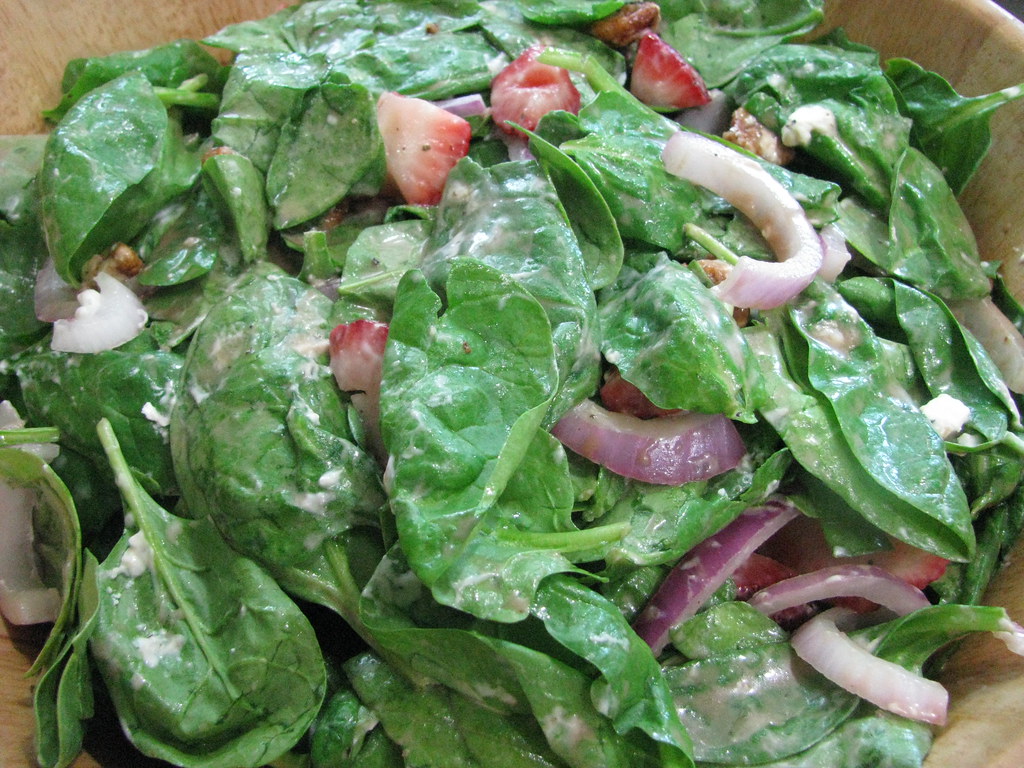
One morning you stand up from the sofa, the room tilts, and you hold the wall until it settles. Your legs feel heavy while your head feels oddly light. When that happens around your bleed, the reason is usually plain: menstrual blood carries iron out of your body, and if you lose more than you replace, you can end up feeling dizzy during your period. Spinach and other iron-rich foods help, but how you eat them matters as much as how much you eat.
Key takeaways
- Iron carries oxygen in your blood, so losing it through heavy bleeding can show up as tiredness, breathlessness and a floating, light-headed feeling.
- Women aged 19 to 49 need about 14.8 mg of iron a day, more than men of the same age need.
- Spinach supplies non-heme iron, the plant form your body absorbs less easily than the iron in meat, poultry and fish.
- Vitamin C eaten with spinach helps absorption, while tea, coffee and dairy make iron harder to take in.
- Dizziness that arrives with fainting, chest pain or breathlessness at rest is a reason to see a doctor.
Why iron loss can make you dizzy during your period
Iron is a building block of hemoglobin. That is the protein in red blood cells which carries oxygen from your lungs to the rest of your body. When iron runs low, hemoglobin falls with it, and every tissue gets a little less oxygen than it expects. The warning signs are easy to dismiss because they are vague: feeling flat, getting breathless on stairs, and a head that swims when you stand up quickly.
Cleveland Clinic lists fatigue, headaches, muscle cramps, pale skin, a sore tongue and a fast heart rate among the symptoms of iron-deficiency anemia. It notes that the condition can also make you feel dizzy or lightheaded. The NHS points to tiredness and lack of energy, shortness of breath, noticeable heartbeats and paler than usual skin. Feeling dizzy during your period is often less a separate problem than the way low iron announces itself.
What heavy bleeding actually looks like
Menstrual bleeding is the most common way women lose iron. How much you lose varies enormously from person to person. The NHS counts a period as heavy if you need to change your pad or tampon every one to two hours, if a period lasts longer than seven days, or if you pass clots bigger than about 2.5 cm. Bleeding through to your clothes or bedding, and feeling tired or short of breath for much of the month, are also signs worth noting. If you want to judge that rather than guess at it, period blood clots explains what the size and the frequency of them actually tell you.
Many people assume their flow is normal because it has always been that way. Heavy periods can be a problem in their own right. The NHS advises seeing a GP if they are affecting your daily life or have been heavy for some time. A blood test is usually the first step, and the NHS names heavy periods and pregnancy as very common causes of iron-deficiency anemia.
How much iron you actually need
The NHS puts the daily target at 14.8 mg of iron for women aged 19 to 49, dropping to 8.7 mg for women aged 50 and over. It also notes that women who lose a lot of blood during their periods may need iron supplements on top of food. Harvard’s Nutrition Source uses the US figures, 18 mg a day for women aged 19 to 50 and 27 mg during pregnancy, against just 8 mg for men. The gap comes down to one thing: menstruation removes iron from the body every month.
There is a caution worth knowing before you buy a bottle. The NHS reports that high doses of iron supplements cause constipation, nausea, vomiting and stomach pain, and that very high doses can be dangerous, especially for children. It says 17 mg or less a day of supplement iron is unlikely to cause harm, while Harvard lists 45 mg as the daily upper limit for adults. Food first, supplements with medical advice, is the safer order of operations.
Spinach, iron, and the absorption problem
Spinach has a reputation as the iron vegetable, and it does contain iron. The catch is which kind. Harvard’s Nutrition Source explains that iron from food comes in two forms: heme iron, found only in meat, poultry and seafood, and non-heme iron, found in plant foods including spinach, lentils, beans and leafy greens. Heme iron is better absorbed by the body than non-heme iron, which is why a bowl of spinach does not deliver iron the way a steak does.
How much of that iron you actually take in comes down to what you eat with it. Harvard notes that vitamin C eaten at the same meal improves the absorption of non-heme iron. A squeeze of lemon, some chopped tomato or a few slices of bell pepper alongside cooked spinach all work in your favor. The NHS treatment advice points the same way: it suggests drinking orange juice after an iron tablet, and lists tea, coffee, milk and dairy among the things that make iron harder to absorb.
A few combinations that put this into practice:
- Cooked spinach with lemon juice, tomato or sweet peppers for the vitamin C.
- Lentils or beans with nuts and dried apricots in the same meal.
- Fortified breakfast cereal eaten with fruit rather than a large glass of milk.
- Tea and coffee sipped between meals instead of alongside them.
Spinach still earns a place on the plate, even if it is not the heaviest hitter. The NHS list of good sources leans on red meat, liver, beans such as kidney beans, edamame and chickpeas, nuts, dried fruit, fortified cereals and soy bean flour. Treat spinach as one useful part of a wider iron-rich diet.
When to talk to a healthcare provider
An occasional light-headed moment when you stand up is common and usually harmless. It deserves a proper look when you often feel dizzy during your period, or when you also feel breathless or your heart races. Tiredness that stops improving with rest is another signal. The NHS advises seeing a GP if heavy periods are affecting your daily life, and a blood test can confirm whether low iron is behind your symptoms.
Severe dizziness, fainting or chest pain needs urgent medical attention rather than a dietary experiment. If you are pregnant, iron deficiency is common, and it is worth raising early with your midwife or GP.
How Lail can help
Losing iron through your period is easier to spot when you know your own pattern. Lail is a private period companion that keeps your data on your phone, with no account and nothing uploaded to the cloud, and its Wawasan (Insights) section suggests food ideas that match your cycle phase. Log how heavy your flow really is and when the dizziness shows up, then bring those notes to your appointment. Download Lail from Google Play, visit lailapp.nayabisa.com, or browse our cycle and fertility guides.
FAQ
Does your period really make you dizzy?
Yes, it can. Menstrual bleeding removes iron from your body, and when stores run low, hemoglobin drops and less oxygen reaches your brain and muscles. Cleveland Clinic lists dizziness and lightheadedness as symptoms of iron-deficiency anemia and names blood loss from your period as one of its causes. Feeling dizzy during your period is common enough to be worth checking rather than ignoring.
Is spinach really a good source of iron?
Spinach contains iron, but it is non-heme iron, the plant form your body absorbs less efficiently than the iron in meat (Harvard). Pair it with a vitamin C source such as lemon, tomato or peppers, and keep tea and coffee away from the meal. Spinach then becomes a useful part of an iron-rich diet rather than a fix on its own.
How long does it take to correct low iron?
The NHS says iron tablets are usually taken for about six months to rebuild your stores, not just until the tiredness lifts. How quickly you feel better depends on what caused the loss. Heavy periods need attention too. Only a clinician can confirm the diagnosis and the right dose, so avoid self-prescribing high-dose iron.
Which foods contain the most iron?
The NHS lists liver, red meat, beans such as kidney beans, edamame and chickpeas, nuts, dried fruit, fortified breakfast cereals and soy bean flour among the best sources. Harvard adds oysters, clams, mussels, sardines, beef and poultry on the heme side. Lentils, spinach, potato with skin and dark chocolate sit on the non-heme side. Iron from meat and seafood is absorbed more easily, which matters when your levels are already low.
Disclaimer
This article is educational and not medical advice. Iron needs, menstrual flow and symptoms vary from person to person. If you feel dizzy, unusually tired or breathless, or if your periods are heavy, speak to a qualified healthcare provider before starting any supplement.
Sources
- NHS – Iron (vitamins and minerals): https://www.nhs.uk/conditions/vitamins-and-minerals/iron/
- NHS – Iron deficiency anaemia: https://www.nhs.uk/conditions/iron-deficiency-anaemia/
- NHS – Heavy periods: https://www.nhs.uk/conditions/heavy-periods/
- Harvard T.H. Chan School of Public Health – Iron: https://www.hsph.harvard.edu/nutritionsource/iron/
- Cleveland Clinic – Iron-deficiency anemia: https://my.clevelandclinic.org/health/diseases/22824-iron-deficiency-anemia
Leave a Reply